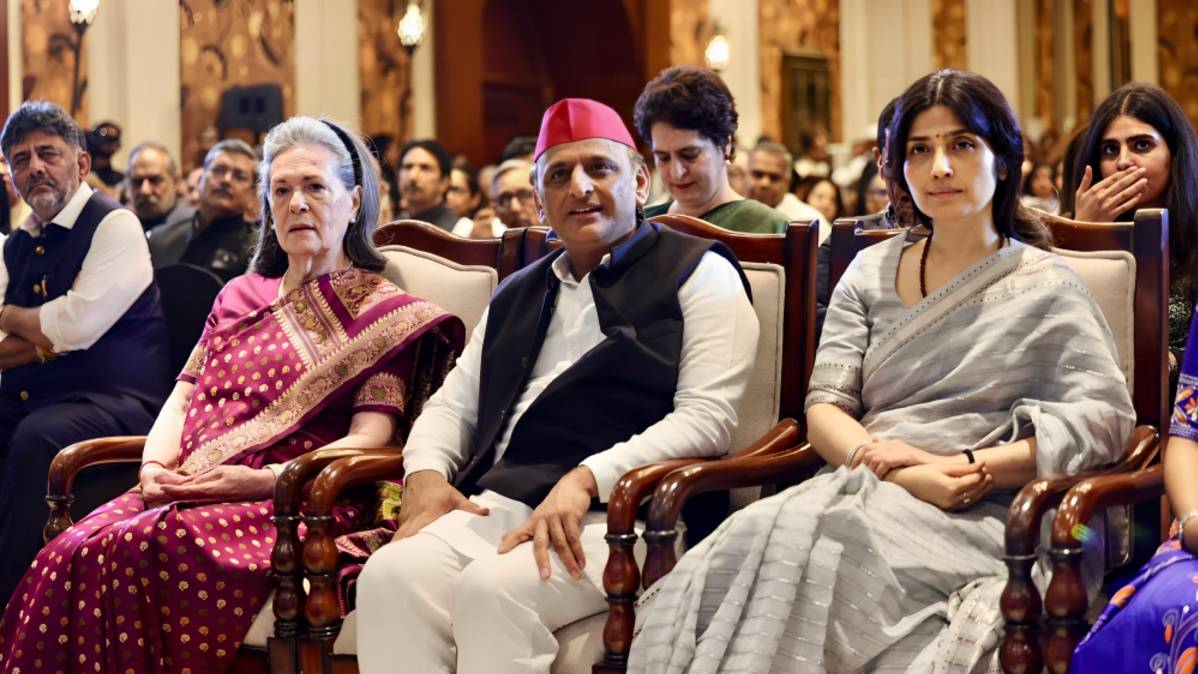
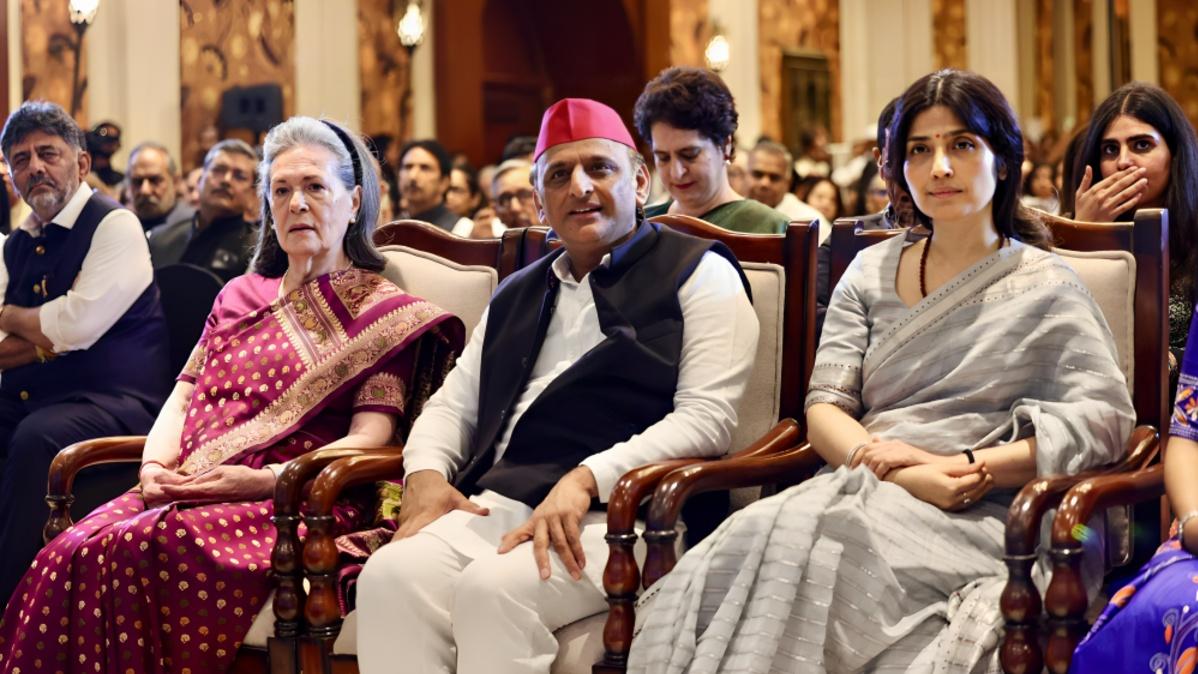
Congress has reportedly demanded 120 seats during its negotiations with the Samajwadi Party ahead of the 2027 Uttar Pradesh Assembly elections. According to senior sources within Congress, the party is unwilling to accept an allocation below its proposed demand.
The development has brought renewed attention to the electoral relationship between Congress and the Samajwadi Party as both parties prepare for the upcoming Assembly elections.
The reported demand reflects the intention of Congress to secure a significant role in the electoral alliance. However, the final distribution of constituencies remains undecided, and further discussions between the parties are expected.
Differences Over Seat Sharing Arrangements
The reported demand from Congress comes amid differences between the two parties regarding constituency allocation in Uttar Pradesh.
The Samajwadi Party had reportedly proposed 26 seats for Congress as a starting point for negotiations. Congress leaders expressed dissatisfaction with the proposal and emphasised the importance of mutual consultation before announcing electoral arrangements.
Congress MP Imran Masood had also criticised the approach adopted by the Samajwadi Party, stating that alliance partners should be treated with mutual respect.
The difference between the reported Congress demand and the preliminary proposal from the Samajwadi Party highlights the challenges facing both parties in reaching a mutually acceptable agreement.
Neither figure should be considered a final allocation until an official agreement is announced.
Significance of the 120 Seat Demand
The Uttar Pradesh Legislative Assembly consists of 403 constituencies. The reported demand for 120 seats represents nearly 30 percent of the total Assembly constituencies in the state.
If the demand is accepted, Congress would receive a substantial share of constituencies under the proposed electoral arrangement.
For Congress, contesting a larger number of seats could provide an opportunity to expand its organisational presence, strengthen local leadership and improve its electoral representation in Uttar Pradesh.
However, the Samajwadi Party also has its own electoral priorities and organisational interests. Negotiations will therefore require both parties to consider their respective strengths, previous electoral performance and constituency preferences.
Congress and Samajwadi Party Electoral Partnership
Congress and the Samajwadi Party have previously worked together in Uttar Pradesh as part of broader opposition alliances.
During the 2024 Lok Sabha elections, the two parties contested together and achieved significant electoral gains in the state.
The Samajwadi Party secured 37 parliamentary seats, while Congress won six constituencies. Together, the two parties secured 43 of the 80 Lok Sabha seats in Uttar Pradesh.
Their performance highlighted the electoral significance of cooperation between national and regional political parties.
However, Assembly elections involve different political considerations, including local leadership, constituency level issues, candidate selection and organisational strength.
The electoral arrangement adopted during parliamentary elections may therefore differ from the agreement reached for the upcoming Assembly elections.
Congress Aims to Strengthen Its Presence in Uttar Pradesh
Congress was once a dominant political force in Uttar Pradesh. However, the emergence of regional political parties and changing electoral preferences have significantly affected its representation in the state over several decades.
The party has continued its efforts to rebuild its organisational structure and strengthen its political presence across different districts.
Securing a larger number of constituencies through an electoral alliance could provide Congress with opportunities to expand its activities and develop local leadership.
The reported demand for 120 seats can be viewed in the context of these broader organisational and electoral objectives.
Nevertheless, the eventual number of constituencies allocated to Congress will depend on the outcome of negotiations with the Samajwadi Party.
Samajwadi Party Remains a Major Political Force
The Samajwadi Party continues to be one of the major regional political parties in Uttar Pradesh. It has an established organisational network and a significant presence in the state legislature.
The party is expected to play a central role in opposition electoral preparations for the 2027 Assembly elections.
While Congress is reportedly seeking a larger share of constituencies, the Samajwadi Party will need to consider its own electoral objectives and the interests of its candidates and party workers.
Reaching an agreement that addresses the priorities of both parties could help establish a coordinated campaign strategy.
An official response from the Samajwadi Party regarding the reported demand for 120 seats would provide further clarity on the negotiations.
Challenges in Seat Sharing Negotiations
Seat sharing remains an important and often challenging aspect of electoral alliances in India.
Political parties generally consider previous election results, constituency demographics, candidate popularity, organisational strength and local political conditions before finalising electoral arrangements.
Disagreements may arise when alliance partners have different assessments of their electoral prospects or seek to contest the same constituencies.
In Uttar Pradesh, the considerable difference between the reported negotiating positions of Congress and the Samajwadi Party could make further discussions necessary.
A mutually acceptable agreement could help avoid competing candidates from alliance partners and support coordinated electoral campaigns.
However, disagreements during preliminary negotiations do not necessarily indicate that an alliance is approaching a breakdown.
Importance of the 2027 Uttar Pradesh Assembly Elections
The upcoming Uttar Pradesh Assembly elections are expected to be an important political contest involving several national and regional parties.
With 403 Assembly constituencies, Uttar Pradesh holds considerable significance in Indian politics. The outcome of the elections could influence the political strategies of major parties beyond the state.
Political alliances, candidate selection, governance, employment, infrastructure development, education and public welfare are among the issues that could shape the electoral campaign.
For Congress and the Samajwadi Party, finalising their electoral arrangement will be an important part of their preparations.
Both parties will need to balance their individual political ambitions with the broader objectives of electoral cooperation.
Focus Remains on Further Political Negotiations
The reported demand for 120 seats has highlighted differences between Congress and the Samajwadi Party ahead of the 2027 Uttar Pradesh Assembly elections.
According to Congress sources, the party is currently unwilling to accept fewer seats than its proposed demand. However, this position has not been presented as a formally announced agreement between the two parties.
Further discussions between senior leaders could determine whether the alliance partners reach a compromise on constituency allocation.
The final electoral arrangement will provide greater clarity on the respective roles of Congress and the Samajwadi Party in the upcoming Assembly elections.
Until an official announcement is made, the proposed allocation of constituencies remains subject to negotiations.