Mizoram CM Lalduhoma Launches Four Digital Finance Initiatives to Boost Transparency
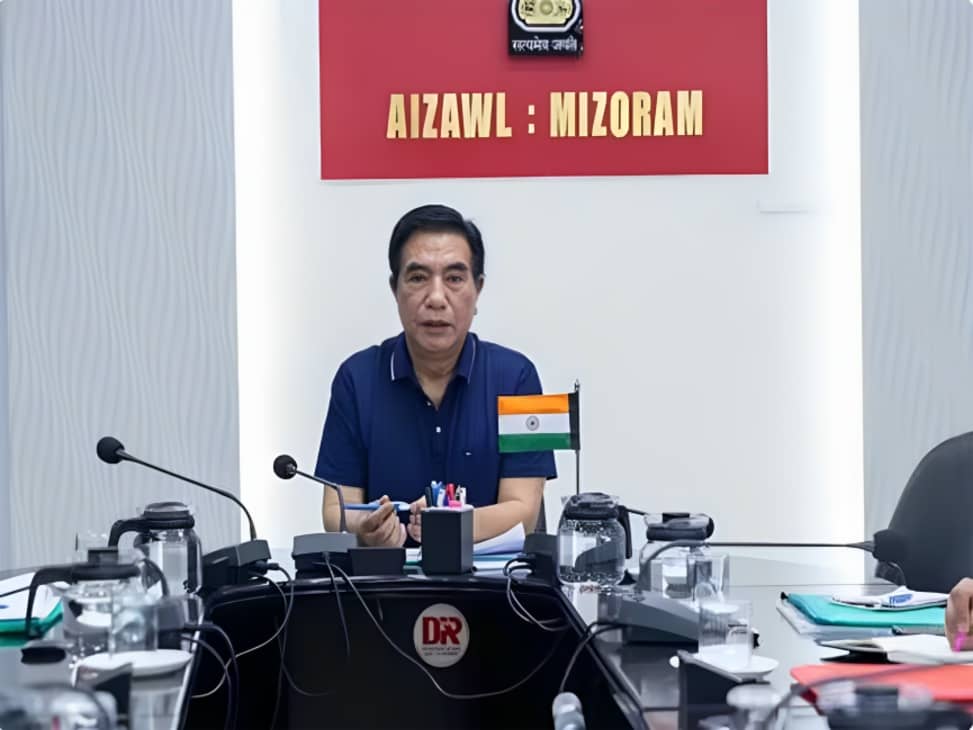
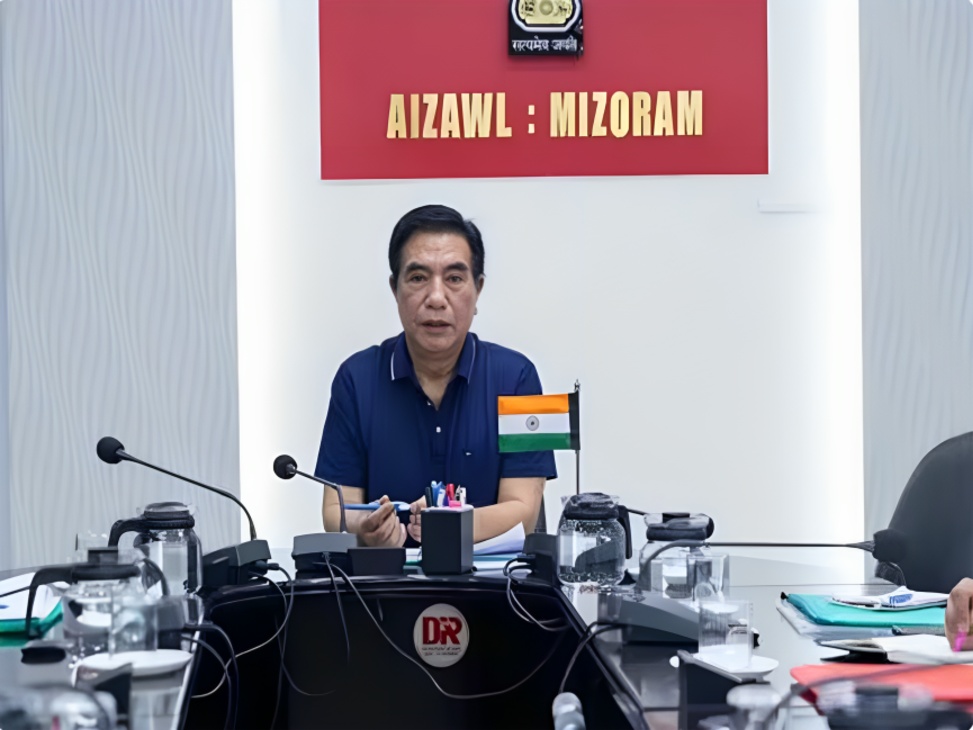
Aizawl, October 16, 2026: Mizoram Chief Minister Lalduhoma has launched four digital financial management initiatives aimed at improving transparency, accountability and efficiency in the administration of public funds. The initiatives were introduced at the Chief Minister’s Office in Aizawl on October 15 and are being implemented under the state Finance Department.
The four initiatives are the Mizoram Integrated Works Accounts System (MIWAS), e-Sanction, e-Budget and 100 per cent Direct Benefit Transfer (DBT). Together, they are intended to digitise important stages of government financial administration, including works accounting, budget preparation, expenditure approvals and payments to beneficiaries.
The state government expects the new systems to reduce manual paperwork, improve financial monitoring and make the processing of government expenditure more efficient.
MIWAS to improve works accounting
The Mizoram Integrated Works Accounts System will streamline the accounting of government works across six departments. These are the Public Works Department, Public Health Engineering Department, Power and Electricity Department, Irrigation and Water Resources Department, Environment, Forest and Climate Change Department, and Land Resources, Soil and Water Conservation Department.
Works accounting is an important part of public financial administration because government departments need to maintain accurate records of expenditure on infrastructure projects and other approved works.
MIWAS is expected to improve the reconciliation of expenditure figures submitted to the Accountant General. It will also support the proper submission of expenditure vouchers through the Treasury.
By bringing these processes into a digital system, the government aims to improve record management and make it easier to track financial transactions associated with public works.
e-Budget to digitise budget preparation
The e-Budget initiative will allow government departments to prepare and submit budget proposals online through the Integrated Financial Management Information System (IFMIS).
Budget preparation involves collecting expenditure estimates, reviewing departmental requirements and submitting proposals for consideration by the government. Manual processing can lead to delays, calculation errors and additional administrative work.
The digital system is designed to reduce these difficulties by allowing departments to submit proposals electronically. It is also expected to improve consistency in financial records and make the budget preparation process more efficient.
A digital workflow can help departments monitor the status of proposals and reduce the need to process the same information repeatedly through paper-based procedures.
e-Sanction for online expenditure approvals
The e-Sanction module will digitise the process of approving government expenditure. Under the system, proposals will be forwarded electronically from Drawing and Disbursing Officers and Heads of Departments to the relevant administrative departments and the Finance Department.
The system is also intended to help prevent expenditure beyond the available budget allocation.
Government departments must ensure that expenditure is properly authorised and remains within approved financial limits. An electronic approval process can improve the visibility of proposals, make it easier to track their progress and help officials identify whether the required approvals have been completed.
The introduction of e-Sanction is therefore expected to strengthen financial oversight and reduce delays associated with the movement of files between departments.
Full Direct Benefit Transfer for selected state schemes
The fourth initiative is the implementation of 100 per cent Direct Benefit Transfer for payments under selected Mizoram government schemes.
Under the system, payments under schemes including Thlai Thar Leina, Bana Kaih and power subsidies will be transferred directly to beneficiaries’ bank accounts after the Treasury clears the bills.
Direct Benefit Transfer is intended to reduce the need for intermediaries in the payment process and improve the traceability of government assistance. Beneficiaries and officials will also be able to track payment status through IFMIS.
The effectiveness of the system will depend on accurate beneficiary records, valid bank account details and timely processing of approved payments. Clear information about payment status can help beneficiaries understand whether a transaction has been processed or is still awaiting approval.
The initiative is expected to improve the administration of state assistance programmes by making the payment process more transparent and easier to monitor.
Funding and digital infrastructure
During the launch, Lalduhoma highlighted the importance of digital financial management and the efficient use of public funds. He said Mizoram received Rs 350 crore under Part IX of the Special Assistance to States for Capital Investment scheme in the previous financial year.
The state is preparing to secure approximately Rs 650 crore under Parts IV and IX of the scheme during the 2026–27 financial year, according to reports of the event.
The Chief Minister also acknowledged the contributions of the Finance Department, the Information and Communication Technology Department, Interlace India Private Limited and the Centre for Development of Advanced Computing to strengthening the state’s digital financial infrastructure.
A step towards digital governance
The launch of MIWAS, e-Sanction, e-Budget and full Direct Benefit Transfer marks another step in Mizoram’s efforts to modernise public financial administration.
The systems focus on different parts of the financial process, from recording expenditure on public works to approving budgets and transferring money to eligible beneficiaries. Their successful implementation will depend on reliable digital infrastructure, accurate records, staff training and effective monitoring.
If implemented effectively, the initiatives could help reduce administrative delays, strengthen expenditure controls and improve access to information about government payments.
The state government’s next challenge will be to ensure that departments consistently use the systems and that the intended improvements in transparency, accountability and service delivery are reflected in everyday administration.