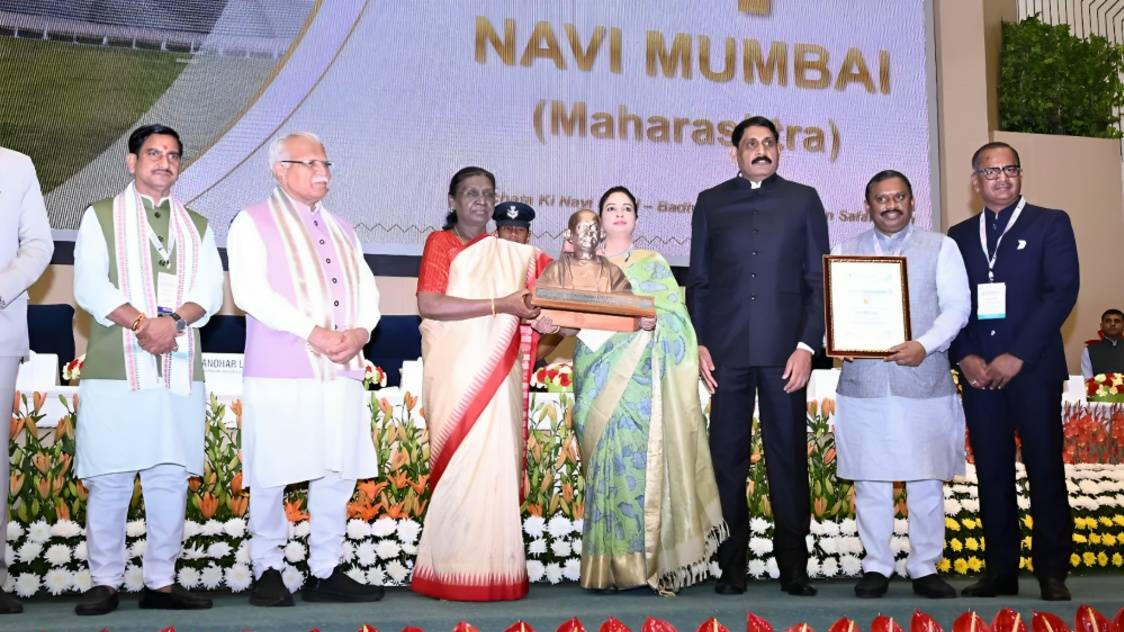
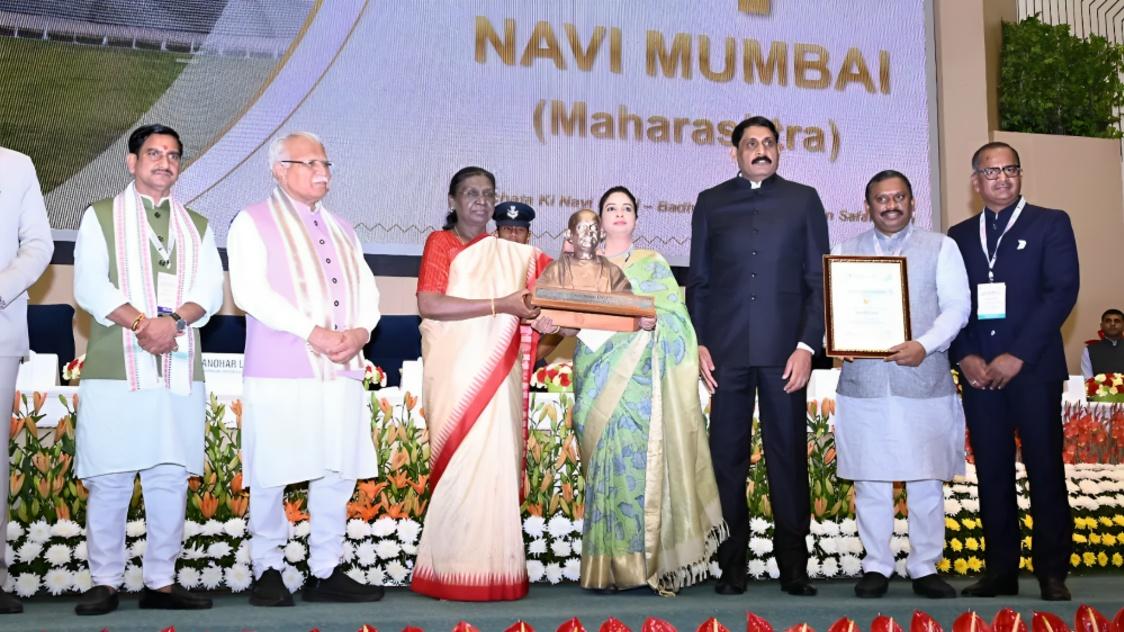
Navi Mumbai has been named India's cleanest city in the Swachh Survekshan 2025-26 rankings, marking a major change in the country's urban cleanliness rankings. The result ends Indore's eight-year run at the top position. Indore, which had consistently received recognition for its cleanliness performance, has been placed in a new category in the latest assessment.
The latest rankings also recognise the performance of other cities across different geographical categories. Rewa has secured the top position in the riverfront city category, while Rudrapur has emerged as the leading city in the Himalayan category. The results highlight the varied efforts made by urban local bodies to improve sanitation, public cleanliness and waste management.
Navi Mumbai Secures the Top Position
Navi Mumbai's achievement in Swachh Survekshan 2025-26 places the city at the forefront of India's urban cleanliness assessment. The recognition reflects its performance in the latest survey and brings attention to the importance of consistent municipal efforts in maintaining clean public spaces.
Urban cleanliness requires coordinated work across several areas, including household waste collection, waste transportation, street cleaning, sanitation facilities and public participation. City administrations also need to ensure that waste is handled and processed properly to prevent environmental pollution.
The top ranking is an important recognition for Navi Mumbai and its municipal administration. It also provides an opportunity for other cities to study and adopt effective cleanliness practices. Maintaining a high position in future assessments will require continued attention to public services, infrastructure and citizen involvement.
Indore's Eight-Year Run Comes to an End
Indore has been one of the most recognised cities in India's cleanliness rankings. The city maintained its leading position for eight consecutive years, building a strong reputation for its urban sanitation and waste management initiatives.
However, the Swachh Survekshan 2025-26 results mark a change in its classification. According to the supplied information, Indore has moved to a new category in the latest assessment. This means its position should be understood in the context of the revised category structure rather than simply as a direct comparison with previous rankings.
Indore's long record of recognition has made it an important example in discussions about urban cleanliness. Its experience has highlighted the role of municipal planning, regular waste collection, public awareness and cooperation between local authorities and residents.
The change in category does not remove the importance of the city's previous achievements. Instead, it reflects the latest assessment framework under which cities are being evaluated. Further details about the category structure and the criteria applied to Indore would help readers understand the change more clearly.
Rewa Leads the Riverfront City Category
Rewa has secured the top position in the riverfront city category. This recognition highlights the importance of cleanliness and sanitation in cities located along rivers.
Riverfront areas require particular attention because waste disposal and poor sanitation can affect water quality and the surrounding environment. Municipal authorities in such cities face the challenge of maintaining clean public areas while preventing waste from entering rivers and nearby water bodies.
The recognition for Rewa places the city among the leading performers in its category. Sustaining this achievement will depend on regular sanitation activities, responsible waste disposal and public cooperation.
Rudrapur Tops the Himalayan City Category
Rudrapur has emerged as the top-performing city in the Himalayan category. The recognition brings attention to the importance of adapting cleanliness programmes to the geographical and environmental conditions of different regions.
Cities in hilly and Himalayan areas may face specific challenges involving waste collection, transportation and disposal. Road access, terrain and local environmental conditions can influence how municipal services are organised.
A cleanliness assessment that recognises different geographical categories can provide a more suitable basis for comparing cities with similar conditions. Rudrapur's achievement highlights its performance within the Himalayan city category and the importance of local planning in improving urban sanitation.
Importance of Swachh Survekshan
Swachh Survekshan is an urban cleanliness assessment that encourages cities to improve sanitation, waste management and public hygiene. It also creates an opportunity to recognise the efforts of municipal administrations and communities.
Such assessments can motivate local authorities to strengthen basic services and introduce better waste management practices. They also draw public attention to issues such as littering, sanitation facilities, cleanliness in residential areas and the condition of public spaces.
The rankings can encourage healthy competition among cities. Municipal bodies may use the results to identify areas requiring improvement and strengthen their cleanliness programmes. Citizen participation is equally important because maintaining clean streets and public spaces cannot depend entirely on government action.
A New Picture of India's Cleanest Cities
The Swachh Survekshan 2025-26 results indicate a change in the country's leading cleanliness rankings. Navi Mumbai has taken the top position, while Indore has moved into a new category after its eight-year run. Rewa and Rudrapur have also received recognition in their respective geographical categories.
The results highlight the importance of consistent municipal administration, effective sanitation services and public participation in building cleaner cities. They also show why cleanliness assessments need to consider the different conditions under which urban local bodies operate.
For Navi Mumbai, the top ranking is a significant achievement and a responsibility to maintain its cleanliness standards. For other cities, the results offer an opportunity to review their existing systems and improve sanitation services.
Further details about the survey's scoring system, category classifications and city-wise rankings would provide a more complete picture of the latest assessment. Nevertheless, the reported results place Navi Mumbai at the top of the national cleanliness rankings for 2025-26 and recognise Rewa and Rudrapur as category leaders.