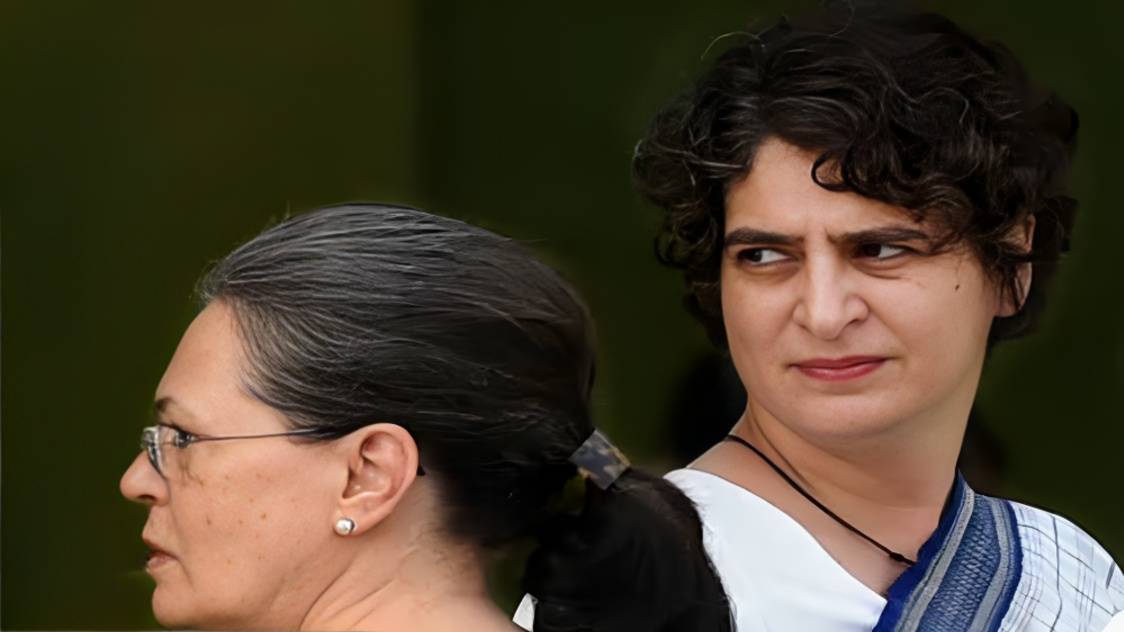
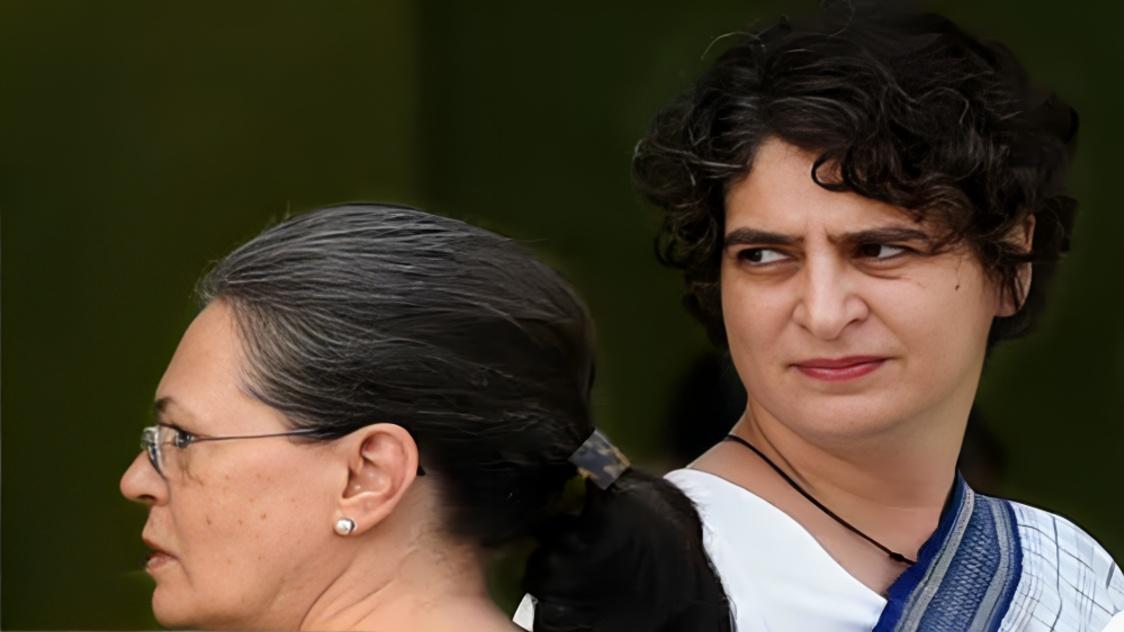
Congress MP Priyanka Gandhi Vadra has strongly defended her mother, former Congress president Sonia Gandhi, following criticism of her recently released memoir, Belonging: A Journey of Love. Priyanka accused the Bharatiya Janata Party and the Rashtriya Swayamsevak Sangh of spreading false stories and allegations about her mother over the years. She said Sonia Gandhi had remained silent in the face of repeated criticism and now had the right to present her own experiences and perspective through her book.
Priyanka made these remarks while speaking to reporters during her visit to Wayanad in Kerala on Thursday, November 12, 2026. Her comments came amid a political debate between the Congress and the BJP over the contents of Sonia Gandhi's memoir, which was released on November 10.
Priyanka Gandhi Defends Her Mother's Right to Share Her Story
Responding to questions about the BJP's criticism, Priyanka Gandhi said that her mother had faced years of allegations and criticism from political opponents. She accused the BJP, RSS and others of making claims about Sonia Gandhi and presenting what she described as fabricated stories.
Priyanka argued that Sonia Gandhi had largely remained silent about such allegations for much of her adult life in India. She said the memoir provided her mother with an opportunity to explain her experiences and share her version of events.
According to Priyanka, Sonia Gandhi has every right to tell her personal story. She also questioned why the BJP was dismissing the memoir's contents, suggesting that criticism was expected from those who had previously made allegations against her mother.
Priyanka further said she was happy that political opponents were reading the book despite their objections. Her response brought the focus back to the wider political discussion surrounding the memoir and the different interpretations of India's political history presented by the two parties.
BJP Criticises Sonia Gandhi's Memoir
The controversy began after the BJP criticised Sonia Gandhi's memoir, Belonging: A Journey of Love. BJP leaders accused the former Congress president of attempting to defend or soften the Congress party's historical record through her account of important political events.
BJP spokesperson C R Kesavan criticised the book and argued that it attempted to present the Nehru-Gandhi family's political history in a favourable manner. He also questioned Sonia Gandhi's account of the Emergency imposed in 1975 and the 1984 anti-Sikh violence.
The BJP alleged that the memoir attempted to justify aspects of the Emergency and defend the role of Sonia Gandhi's late husband, former Prime Minister Rajiv Gandhi, in relation to the events surrounding the 1984 violence.
The party also questioned the book's treatment of several historical and political issues. Its criticism led to a fresh exchange between the BJP and Congress, with leaders from both sides expressing sharply different views about the memoir.
These remarks represent the BJP's political criticism of the book. Sonia Gandhi's account, meanwhile, presents her personal recollections and interpretation of the events discussed in its pages.
What Sonia Gandhi Has Written About the Emergency
One of the major issues discussed in the political debate is the Emergency imposed in India in 1975 under the leadership of then Prime Minister Indira Gandhi.
The Emergency lasted for approximately 21 months, from June 1975 to March 1977. During this period, civil liberties were restricted, press censorship was imposed and several opposition leaders were detained. The period remains one of the most controversial chapters in India's democratic history.
In her memoir, Sonia Gandhi discusses the circumstances surrounding the Emergency and describes Indira Gandhi as having faced increasing political pressure and isolation at the time. She also acknowledges that the decision was a mistake.
The BJP has criticised this account, arguing that it does not adequately address the consequences of the Emergency. The Congress and Sonia Gandhi's supporters have maintained that the memoir is a personal account in which she is entitled to explain her understanding of the events.
Debate Over the 1984 Anti-Sikh Violence
The 1984 anti-Sikh violence is another major issue raised in the BJP's criticism of the memoir.
The violence took place after the assassination of then Prime Minister Indira Gandhi by her Sikh bodyguards on October 31, 1984. Thousands of people, particularly members of the Sikh community, were killed in attacks across several parts of the country.
In her memoir, Sonia Gandhi describes the violence as a tragic and shameful chapter. She also refers to the failure of authorities to prevent the attacks and the delay in delivering justice to victims.
However, the BJP has questioned her treatment of the subject, particularly her defence of Rajiv Gandhi against allegations relating to the violence. The party has argued that the book does not sufficiently address the historical responsibility and political controversies associated with the events.
The differing interpretations of this period have added another dimension to the political dispute surrounding the memoir.
Sonia Gandhi's Memoir Draws Political Attention
Titled Belonging: A Journey of Love, Sonia Gandhi's memoir covers her personal journey, family experiences and years in Indian public life. It also discusses her relationship with the Nehru-Gandhi family and her involvement in the Congress party's political journey.
The book has attracted attention because Sonia Gandhi has been a major figure in Indian politics for several decades. Her experiences include her entry into public life, her leadership of the Congress party and her decision not to become Prime Minister after the party-led United Progressive Alliance won the 2004 general election.
The memoir has received mixed reactions since its release. While some readers and political supporters have welcomed her personal account, critics have questioned her interpretation of certain historical events.
The controversy has also brought renewed attention to the relationship between the Congress and BJP, particularly their competing narratives about the country's political history.
Political Debate Continues
Priyanka Gandhi's latest remarks indicate that the Congress leadership is prepared to defend Sonia Gandhi's account against criticism from the BJP. By highlighting her mother's right to share personal experiences, Priyanka has sought to present the memoir as an individual's account rather than simply a political statement.
The BJP, on the other hand, has continued to question the book's interpretation of significant historical events, including the Emergency and the 1984 anti-Sikh violence.
The debate reflects the wider political differences between the two parties over how India's past should be discussed and interpreted. As more readers engage with Sonia Gandhi's memoir, its contents are likely to remain part of the political conversation.
For now, Priyanka Gandhi has made it clear that she stands by her mother's decision to publish her experiences. She has also expressed satisfaction that the book is attracting attention, even from political opponents who have criticised it.