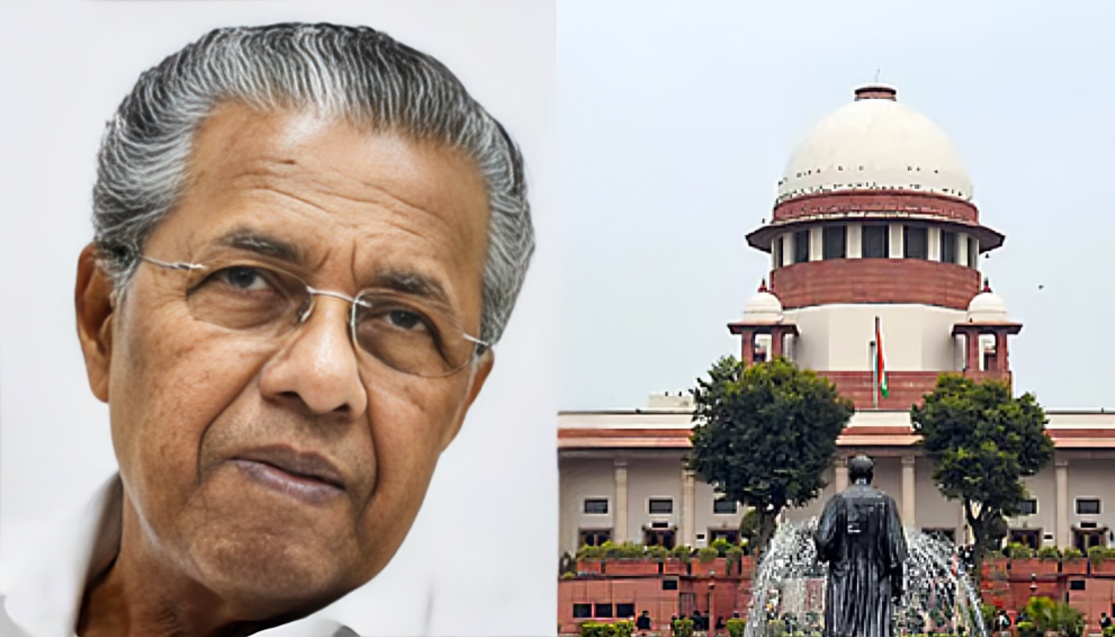
Supreme Court to Hear Pinarayi Vijayan’s CMRL Case Plea and YSRCP Petition on October 21
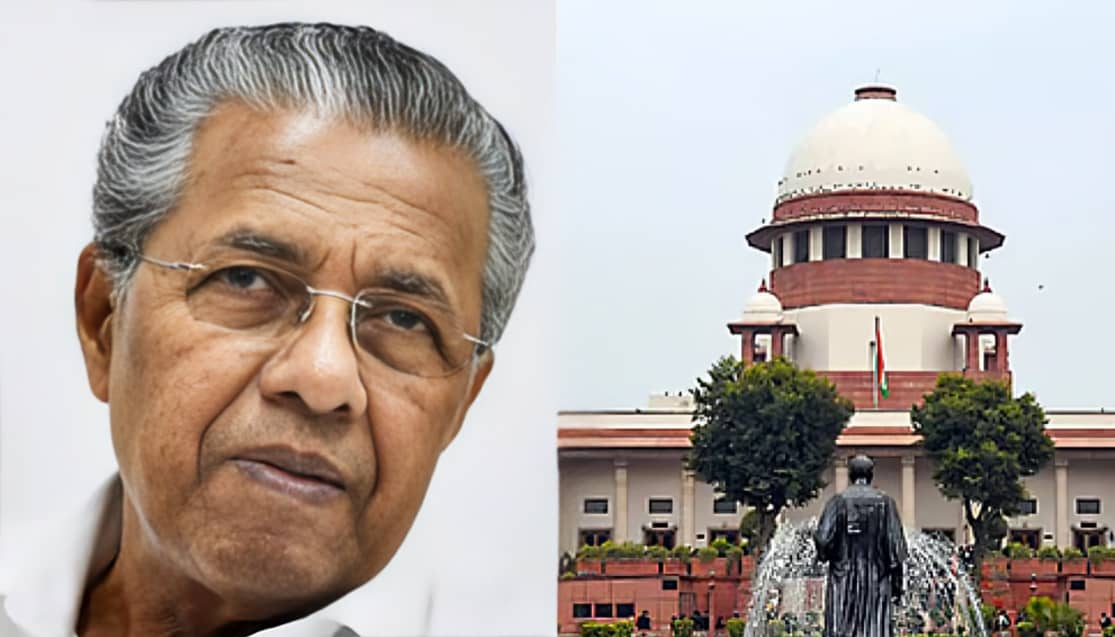
The Supreme Court of India is scheduled to hear two important matters on October 21, 2026, during the Dussehra vacation. One concerns former Kerala Chief Minister Pinarayi Vijayan and proceedings in the alleged Cochin Minerals and Rutile Limited (CMRL)-Exalogic case. The other involves a petition filed by the Yuvajana Sramika Rythu Congress Party (YSRCP) over allegations that violence and intimidation prevented its candidates from filing nominations for urban local body elections in Andhra Pradesh.
The matters raise separate legal questions concerning the registration of a criminal case and the conduct of local elections. A vacation bench of Justices Joymalya Bagchi and V. Mohana is scheduled to consider the petitions.
Pinarayi Vijayan’s plea in the CMRL-Exalogic case
Former Kerala Chief Minister Pinarayi Vijayan has approached the Supreme Court in connection with a Kerala High Court order directing the registration of a First Information Report in the alleged CMRL-Exalogic case. His daughter, Veena T, and son-in-law, P. A. Mohamed Riyas, have also challenged the related proceedings.
The case concerns allegations involving payments made by Cochin Minerals and Rutile Limited to Exalogic Solutions, a company associated with Veena T. The Enforcement Directorate reportedly sought the registration of a criminal case based on material gathered during its investigation. The allegations concern payments said to have been made under the guise of information technology consultancy services.
On October 9, the Kerala High Court directed the state’s Vigilance and Anti-Corruption Bureau to register a case based on the material referred to in the proceedings. The direction led to further legal challenges by Vijayan and his relatives.
They argued that they had not been heard before the direction to register an FIR was issued. They also raised objections concerning the procedure followed in the High Court, including the jurisdiction under which the original petition was considered.
On October 15, the Kerala High Court rejected their applications seeking permission to appeal against the single judge’s order. The applicants subsequently approached the Supreme Court for relief.
The Supreme Court hearing is expected to consider their challenge to the High Court’s decision and their request for protection from further coercive action. The allegations remain subject to legal proceedings and should not be treated as established guilt.
YSRCP challenges decision on local body election nominations
The second matter concerns the YSRCP’s petition over the nomination process for Andhra Pradesh’s urban local body elections. The party, led by Y. S. Jagan Mohan Reddy, alleges that violence, threats and physical obstruction prevented some of its candidates from submitting their nomination papers within the prescribed period.
According to the party’s petition, some candidates were allegedly assaulted or prevented from reaching nomination centres. The party has referred to incidents in areas including Punganur, Rayachoti, Kadapa and Tirupati.
The YSRCP has challenged an Andhra Pradesh High Court decision refusing to extend the nomination deadline by one day. It has asked the Supreme Court for protection for candidates, additional or alternative nomination centres and an opportunity for those allegedly obstructed to submit their papers.
The party has also sought relief concerning wards where candidates may be declared elected unopposed. These requests are part of its legal challenge and do not, by themselves, establish that the allegations of violence have been proven.
Why the High Court rejected an extension
The Andhra Pradesh High Court declined to order an extension after the nomination deadline had expired. The court considered the election schedule and the State Election Commission’s position that extending the period could interfere with the established electoral process.
The YSRCP has argued that the alleged obstruction of candidates prevented a fair opportunity to contest the elections. Its petition asks the Supreme Court to intervene to protect participation in the electoral process.
The dispute therefore involves a balance between maintaining the election schedule and addressing claims that candidates were unable to file nominations because of alleged intimidation or violence. The Supreme Court’s consideration may clarify what relief, if any, is appropriate under the circumstances.
Significance of the two hearings
Although the petitions concern different states and issues, both matters involve challenges to decisions made by lower courts and requests for relief from the Supreme Court.
In the CMRL-Exalogic matter, the legal questions concern the process leading to the registration of an FIR and the challenges raised by the individuals concerned. In the YSRCP matter, the central issue is whether the nomination process for local elections was affected by alleged violence and whether any judicial intervention is warranted after the deadline has passed.
The scheduled hearing on October 21 will provide an opportunity for the parties to present their arguments before the vacation bench. The eventual outcome will depend on the court’s assessment of the petitions, the applicable law and the material placed before it.
Both cases remain legal proceedings. Any developments or directions issued by the Supreme Court should be reported separately after the court’s orders are available.