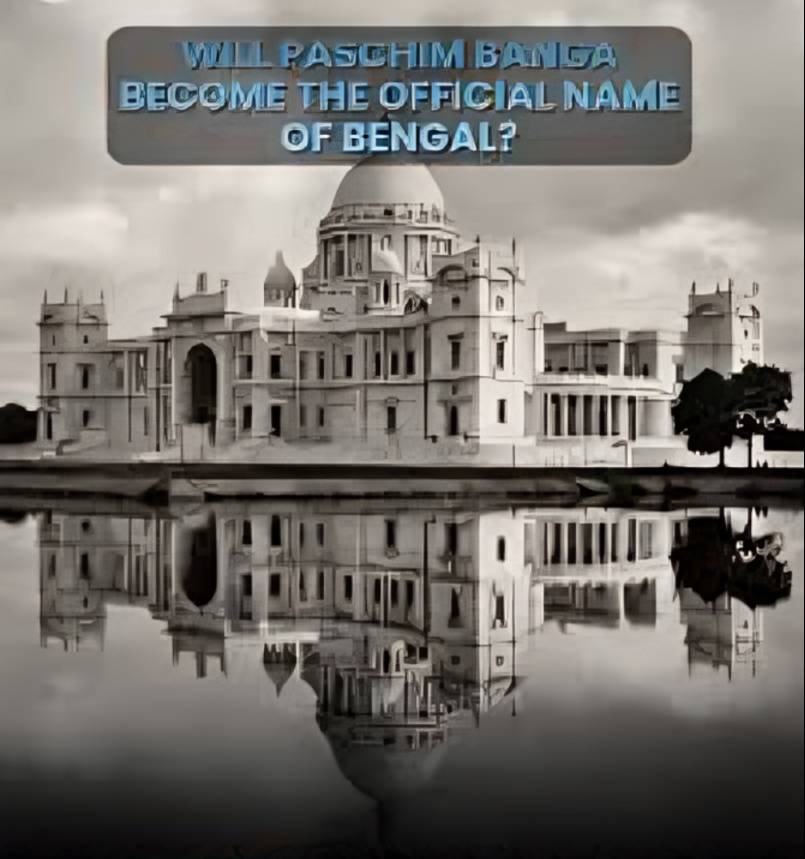
The West Bengal Cabinet has approved a proposal to rename the state Paschim Banga, bringing renewed attention to a longstanding debate surrounding its linguistic identity, cultural heritage and historical background. The proposed name seeks to bring the official English name of the state closer to its Bengali pronunciation.
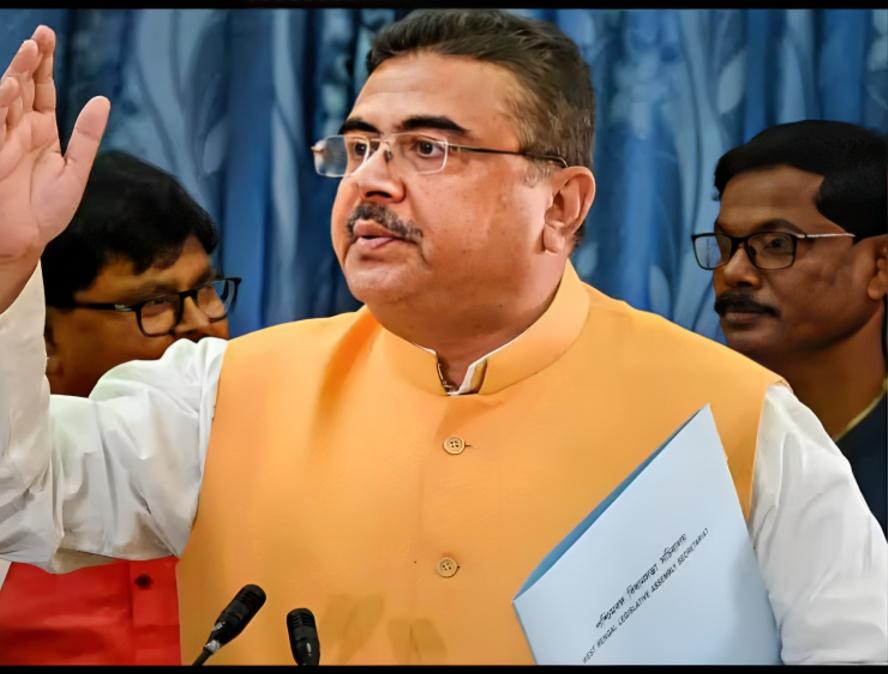
The decision has generated political discussions, with opposition leaders calling for broader consultation and consensus before the proposal moves forward. Although the state Cabinet has approved the proposal, several constitutional and administrative procedures must be completed before the name change becomes official.
Historical Significance of the Name West Bengal
The name West Bengal is closely associated with the Partition of India in 1947. Before independence, Bengal was a large province under British administration, encompassing territories that are now part of India and Bangladesh.
Following Partition, the western part of Bengal became part of India and was named West Bengal. The eastern part became East Bengal within Pakistan and was subsequently renamed East Pakistan. In 1971, East Pakistan became the independent nation of Bangladesh.
The name West Bengal has remained unchanged since independence, despite significant political and geographical developments in the region. Discussions about renaming the state have emerged periodically, reflecting differing views on how its historical and cultural identity should be represented.
Why Paschim Banga Has Been Proposed
Paschim Banga is a Roman script rendering of the Bengali name for West Bengal. The word Paschim means west, while Banga refers to Bengal.
Supporters of the proposal believe that adopting the Bengali form as the official English name would strengthen the connection between the administrative identity of the state and its linguistic traditions.
Unlike proposals that seek to remove the geographical reference to the west, Paschim Banga retains the original meaning of West Bengal while changing how the name is represented in English.
The proposed change therefore focuses primarily on linguistic representation rather than altering the geographical identity of the state.
Decades of Discussions Over State Renaming
The proposal to rename West Bengal is not entirely new. Successive governments have considered different names over the years, including Paschim Banga and Bangla.
In 2011, the state government pursued a proposal to adopt Paschim Banga as the official name. Further discussions took place in subsequent years, with different versions of the proposed name receiving political attention.
In 2018, the West Bengal Legislative Assembly passed a resolution seeking to rename the state Bangla across English, Bengali and Hindi.
However, these earlier initiatives did not result in an official name change. The latest proposal has brought the longstanding issue back into political discussions.
Opposition Leaders Seek Wider Consensus
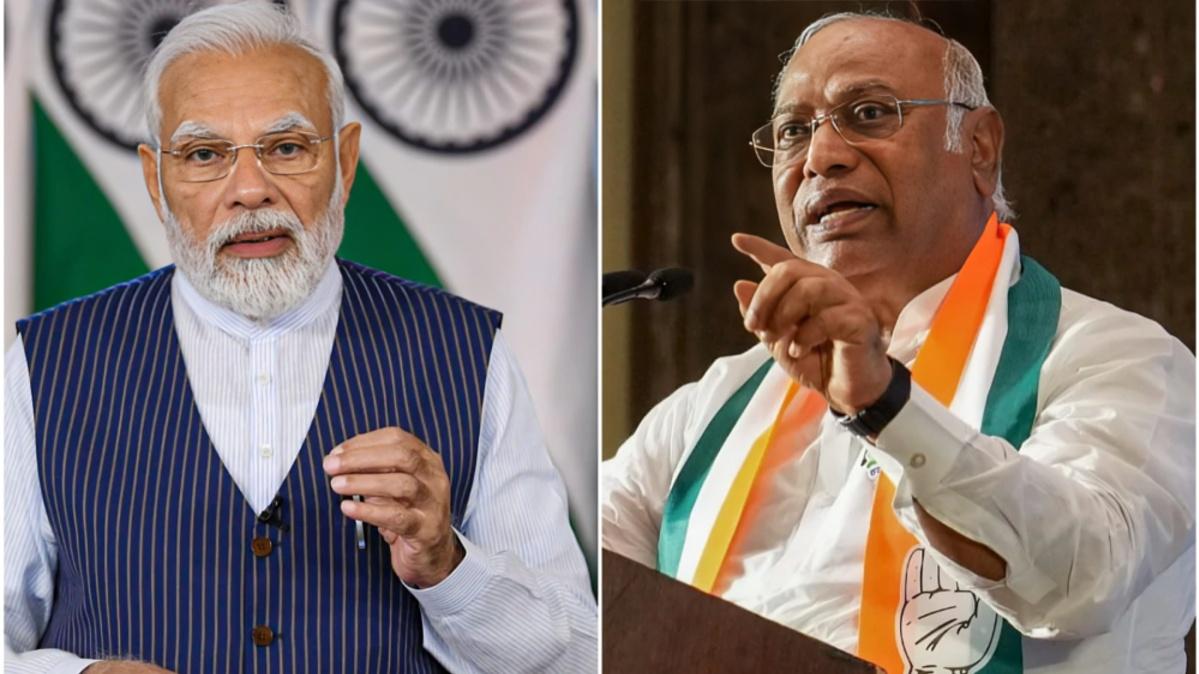
Opposition leaders have called for broader political consultation before proceeding with the proposed name change. Their concerns highlight the importance of reaching an agreement on a decision that could have historical, cultural and administrative implications.
Supporters view the proposal as an opportunity to recognise Bengali linguistic identity more prominently. Others believe that a decision affecting the official identity of an entire state should involve discussions with political parties and relevant stakeholders.
The debate reflects different perspectives on the relationship between regional identity, historical continuity and administrative priorities.
A wider consultation process could provide an opportunity to address these concerns before the proposal advances to the next stage.
Constitutional Process for Changing a State Name
Changing the official name of an Indian state requires constitutional procedures under Article 3 of the Constitution of India.
A bill proposing the alteration of a state name can be introduced in Parliament only with the recommendation of the President of India. The President must refer the proposal to the legislature of the affected state for its views within a specified period.
Parliament must subsequently pass the legislation, which requires presidential assent before becoming law.
The views of the state legislature are considered during this process, although Parliament is not constitutionally bound to accept them.
Therefore, approval from the West Bengal Cabinet alone does not make Paschim Banga the official name of the state.
Administrative Impact of the Proposed Name Change
If the proposal receives the necessary constitutional approval, government departments and public institutions may need to update official documents, administrative records, websites, maps and public signage.
Educational institutions, transport authorities and other government agencies may also need to incorporate the revised name into their communications.
The transition would require coordination between state and central government departments. Any specific implementation schedule or financial implications would depend on the final legislation and subsequent administrative instructions.
The proposed name change would not, by itself, alter the geographical boundaries of the state or the constitutional rights of its residents.
Other State Name Changes in India
India has witnessed several official state name changes since independence. Orissa was renamed Odisha in 2011 to better reflect its regional linguistic identity. Uttaranchal was renamed Uttarakhand in 2007.
These examples demonstrate how historical, linguistic and cultural considerations have influenced the official names of Indian states.
However, each proposal must undergo the applicable constitutional and legislative procedures before implementation.
The West Bengal proposal represents another discussion within this broader history of regional identity and administrative naming in India.
Cultural Identity Remains Central to the Debate
West Bengal has a rich cultural heritage shaped by Bengali literature, music, cinema, art, education and intellectual traditions. The Bengali language remains an important element of the cultural identity of many residents.
The proposed adoption of Paschim Banga reflects an effort to represent that linguistic heritage more prominently in the official English name.
At the same time, the existing name carries historical significance associated with independence and the Partition of Bengal. Balancing linguistic aspirations with historical continuity remains an important aspect of the discussion.
The future of the proposal will depend on political consultations and the completion of constitutional procedures. Until the necessary legislation is enacted, West Bengal will remain the official name of the state.