West Bengal to Become Custodian of Enemy Properties, Says CM Suvendu Adhikari
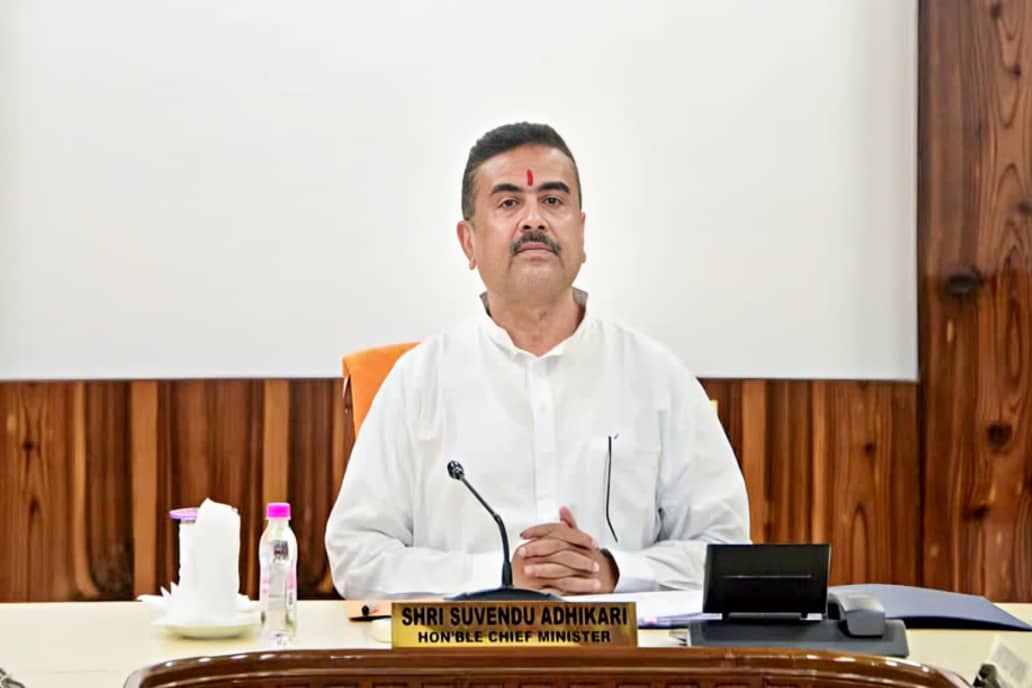
Kolkata, October 16, 2026: West Bengal Chief Minister Suvendu Adhikari has announced that the central government plans to make the state government the custodian of enemy properties located across West Bengal. He said the move could provide additional resources for development projects in the state, particularly in districts where a significant number of such properties are located.
Adhikari made the announcement while inaugurating a Durga Puja event at Lalbagh in Murshidabad district on Thursday. According to reports, the proposal followed discussions with Union Home Minister Amit Shah during the first BIMSTEC Home Ministers’ meeting held in New Delhi.
The announcement has drawn attention because West Bengal reportedly has around 4,000 enemy properties, making it one of the states with the highest number of such assets in India.
What are enemy properties?
In India, the term “enemy property” refers to certain movable and immovable assets belonging to people who migrated to countries designated as enemy countries under the applicable law, particularly following conflicts involving India and Pakistan or China. Such assets may include land, residential and commercial buildings, shares, company debentures and other property.
These assets are governed by the Enemy Property Act, 1968, along with related rules and government orders. The legislation provides the legal framework for the custody, management and disposal of properties covered by the law.
The Custodian of Enemy Property for India, functioning under the Union Ministry of Home Affairs, is the central authority responsible for managing these properties. The system includes measures for preserving assets, collecting rent and other income, and disposing of eligible properties in accordance with the law.
Enemy property is a specific legal category. It should not be confused with every property belonging to a person who lives abroad or with ordinary property owned by Indian citizens.
What did Suvendu Adhikari announce?
Adhikari said the Centre was preparing to place enemy properties in West Bengal under the custody of the state government. He indicated that the income generated from these assets could support development work in the state.
The Chief Minister made the announcement while speaking in Murshidabad, where local development needs have been a prominent public issue. He said the proposed arrangement would help ensure that funding was available for development in the region.
According to media reports, the Union Home Ministry had approved the proposal following discussions involving Amit Shah and Adhikari during the recent BIMSTEC Home Ministers’ meeting in New Delhi.
However, the announcement should be distinguished from a completed transfer. The exact legal mechanism, the properties covered, the timing of implementation and the responsibilities that would be assigned to the state government will depend on the relevant official orders and procedures.
West Bengal has thousands of such properties
West Bengal is reported to have approximately 4,000 enemy properties spread across several districts. These include Murshidabad, Malda, Kolkata, North 24 Parganas and South 24 Parganas.
The number makes the state a significant part of the national system for managing enemy properties. Uttar Pradesh has been reported to have the largest number, while West Bengal ranks among the states with the highest concentration of these assets.
A 2024 statement published by the Press Information Bureau on behalf of the Union Ministry of Home Affairs provided details about enemy properties in West Bengal. It also noted that lease rent had been collected from properties in the state and that cases involving unauthorised occupation had been initiated.
These records underline the administrative challenges involved in managing such assets, including identifying properties, assessing their value, addressing unauthorised occupation and ensuring that income is collected lawfully.
How could the proposal affect development?
If the proposed arrangement is formally implemented, the state government could take on a greater role in the administration of the properties covered by the decision. The government has indicated that revenue generated from these assets could be used for local development projects.
Potential uses of public revenue may include infrastructure improvements and other local development needs. However, the specific projects, the amount of revenue expected and the method by which the funds would be allocated have not been established in the announcement.
The actual financial benefit would depend on factors such as the condition of the properties, rental income, legal disputes, maintenance costs and the applicable rules governing their management. Any revenue received would also need to be accounted for in accordance with the relevant financial and legal procedures.
Legal and administrative procedures remain important
The management of enemy properties is regulated by central legislation and related government rules. Any change in the authority responsible for custody would therefore need to follow the applicable legal and administrative framework.
Questions that may require clarification include which properties would come under the proposed arrangement, whether the state would be responsible for maintenance and rent collection, how existing legal cases would be handled, and how revenue would be transferred or accounted for.
Official notifications from the Union Ministry of Home Affairs would provide a clearer picture of the proposal’s scope and implementation. Until such details are available, the announcement should be treated as a proposed administrative change rather than evidence that all relevant properties have already been transferred.
What happens next?
The announcement by Suvendu Adhikari places the management of enemy properties on the state’s development agenda. The proposal could have financial and administrative implications for West Bengal, particularly in districts where these properties are concentrated.
The next important step will be the publication of official details explaining the transfer process, the responsibilities of the state government and the rules governing any revenue generated.
For now, the Chief Minister’s statement signals the Centre’s reported intention to change the custodial arrangement for enemy properties in West Bengal. The practical impact will depend on the formal orders, implementation timeline and the way the assets are managed under the law.