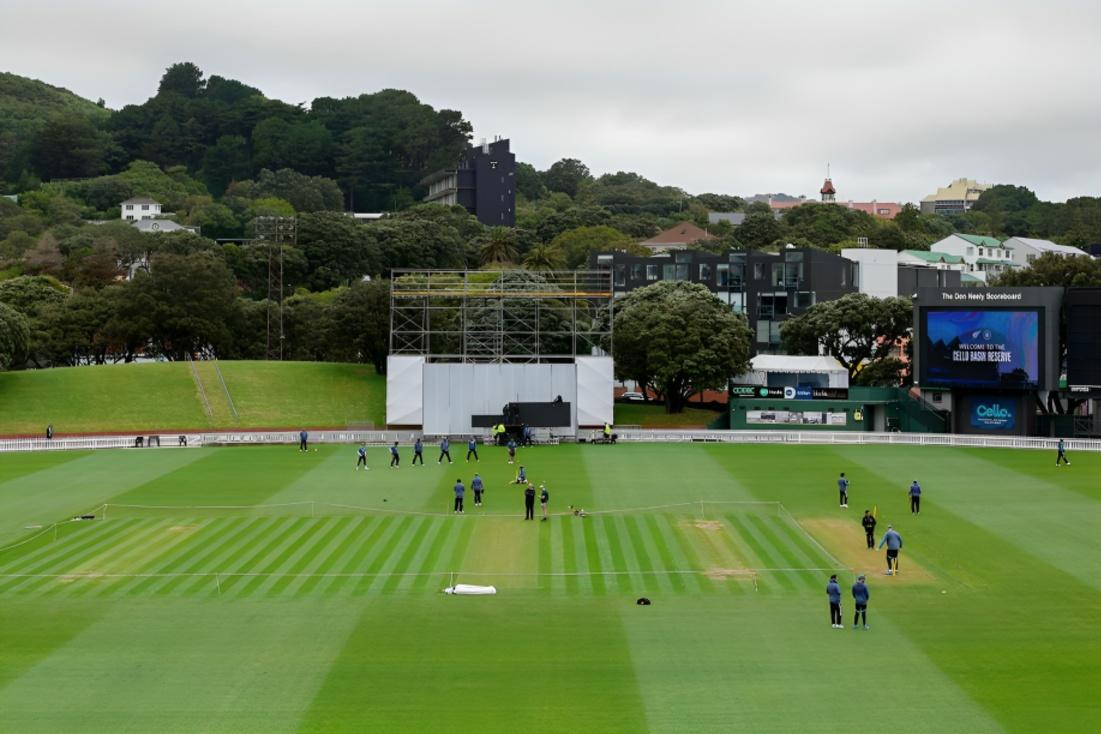
India Miss Historic Test Victory at Wellington as New Zealand Survive Final Day to Secure Draw
Wellington, November 23, 2026
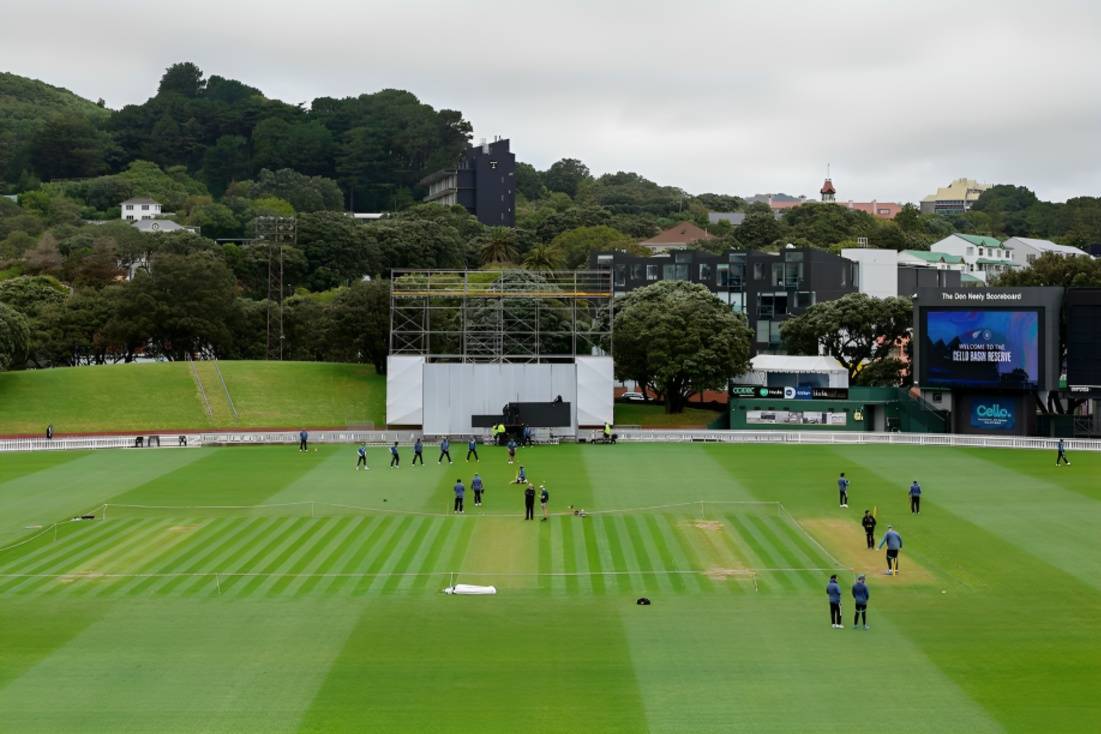
India missed an opportunity to register a historic Test victory at Wellington's Basin Reserve after New Zealand produced a determined batting performance on the final day of the opening match of their two-Test series.
Despite dominating significant portions of the contest and posting a record-breaking total of 720 for nine declared, the Shubman Gill-led Indian team could not dismiss New Zealand in their second innings.
The hosts finished at 239 for five, with Daryl Mitchell unbeaten on 49 and Glenn Phillips remaining not out on 26.
Their unbeaten sixth-wicket partnership of 63 runs helped New Zealand secure a draw after India had appeared well positioned to claim victory.
The result extended India's wait for another Test win at the Basin Reserve, where the team last registered a victory in 1968.
It also affected India's campaign in the World Test Championship, with the visitors missing an opportunity to collect the full points available for a victory.
India Miss Opportunity to End Wellington Victory Drought
India entered the first Test hoping to end a long wait for victory at the Basin Reserve.
The team had not won a Test match at the Wellington venue since 1968.
The latest encounter presented an opportunity to end that drought after India established a commanding position through an outstanding batting performance.
However, New Zealand's resistance on the final day prevented the visitors from completing the victory.
India began the fifth day needing eight wickets to win the match.
Although the bowlers managed to dismiss three more New Zealand batters, the remaining five wickets proved difficult to obtain.
The match eventually ended in a draw, leaving the series level at zero wins each.
The result was particularly disappointing for India because of the substantial advantage they had established earlier in the contest.
New Zealand Fight Back After Difficult First Innings
New Zealand's first innings began under pressure from India's bowling attack.
The hosts were reduced to 70 for five during the opening day's play.
However, Henry Nicholls and Glenn Phillips produced a remarkable recovery through a sixth-wicket partnership of 216 runs.
Nicholls remained unbeaten on 175, while Phillips scored 118.
Their partnership helped New Zealand recover from a difficult position and post 368 runs in the first innings.
The recovery was important because it prevented India from dismissing the hosts for a much smaller total.
Nicholls' innings demonstrated patience and concentration under pressure.
Phillips contributed an attacking century that helped shift the momentum.
Their performances provided the foundation for New Zealand's eventual escape from defeat.
India Post Record Breaking 720 for Nine
India responded with an extraordinary batting display in their first innings.
The visitors declared at 720 for nine, establishing a lead of 352 runs.
The total was the highest Test innings score recorded at the Basin Reserve.
It also represented a major achievement for India's batting lineup in challenging overseas conditions.
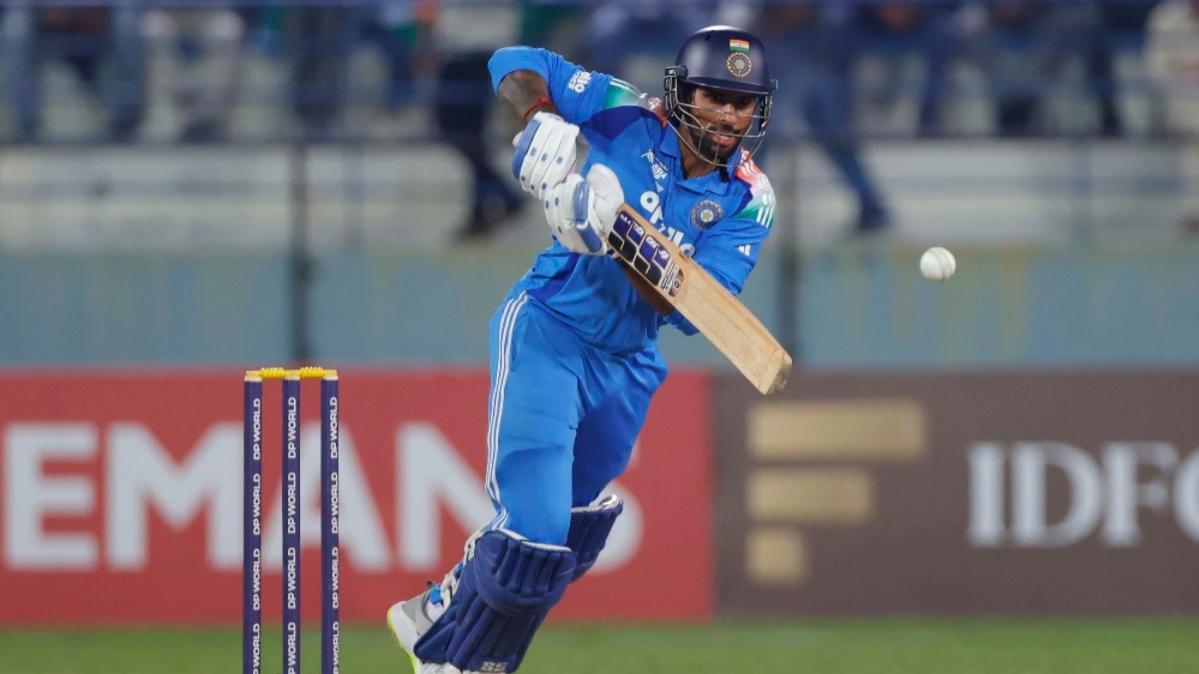
KL Rahul led the scoring with 136 runs.
Rishabh Pant contributed an attacking 128, while captain Shubman Gill narrowly missed a century with 98.
Yashasvi Jaiswal scored 85, and Devdutt Padikkal added 80.
Dhruv Jurel also made an important contribution with 78 runs.
The collective effort allowed India to build a commanding advantage.
However, the large total was ultimately insufficient to secure victory because New Zealand managed to survive the remaining time.
KL Rahul Scores Important Century
KL Rahul played a major role in India's first-innings performance.
The experienced batter scored 136 runs and provided stability to the innings.
His contribution helped India build partnerships and maintain control of the contest.
Rahul demonstrated patience during his innings, spending considerable time at the crease.
His century was one of the key reasons India were able to establish a substantial first-innings lead.
The performance also highlighted his ability to adapt to overseas Test conditions.
Alongside other important contributions, Rahul's innings helped India reach a total that placed New Zealand under considerable pressure.
Rishabh Pant Continues Attacking Approach
Rishabh Pant contributed 128 runs in India's first innings.
The wicketkeeper-batter played an attacking innings that helped accelerate the scoring rate.
His contribution included several boundaries and sixes.
Pant's performance added momentum to India's innings and increased the pressure on New Zealand's bowlers.
The century also demonstrated his importance in the middle order.
His ability to score quickly can change the course of a Test match by allowing the team to build a lead without using excessive time.
In Wellington, his innings helped India reach a record-breaking total.
However, the bowlers were unable to convert that advantage into victory.
Shubman Gill Misses Century by Two Runs
India captain Shubman Gill also played an important role with the bat.
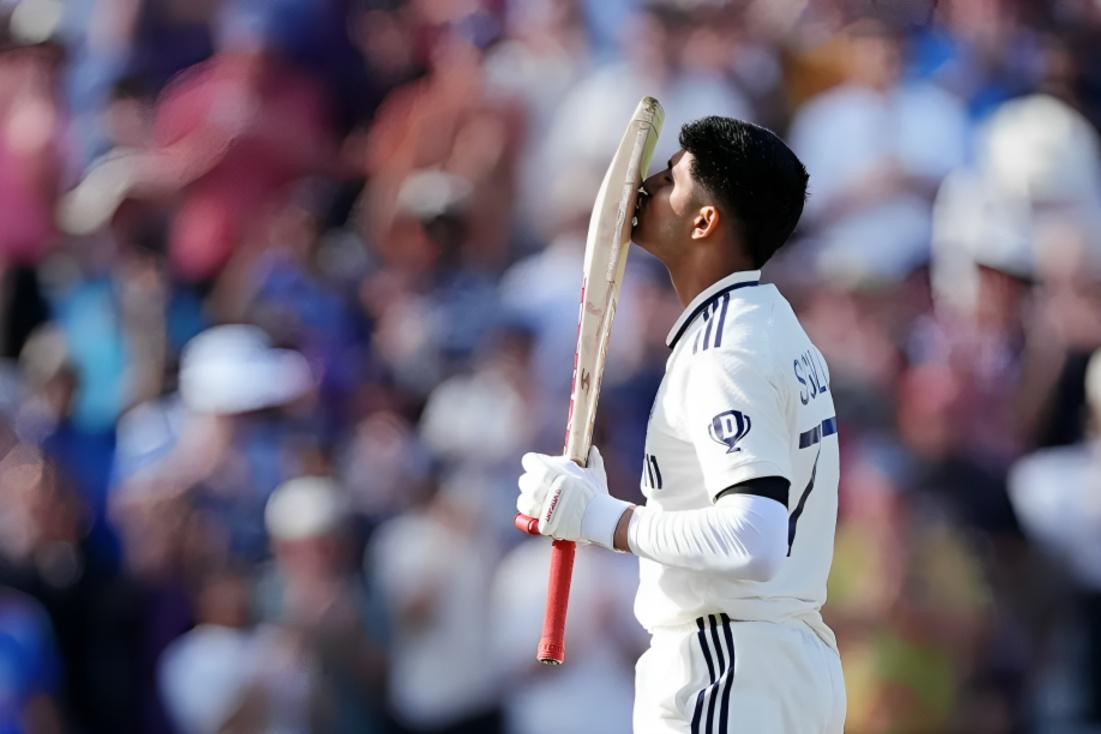
Gill scored 98 runs before being dismissed, falling just two runs short of a century.
His innings contributed to India's commanding first-innings total.
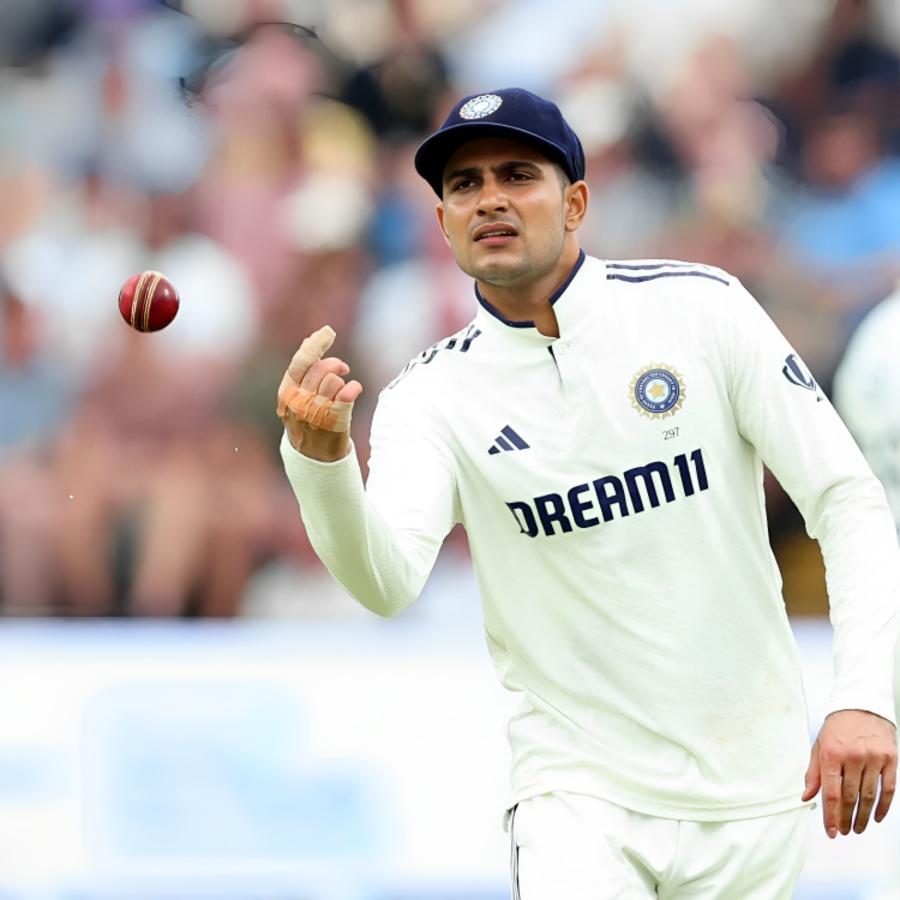
As captain, Gill also faced the challenge of managing the bowling attack during New Zealand's second innings.
India needed wickets rather than runs on the final day.
The captain rotated his bowlers and attempted different fielding arrangements to create opportunities.
However, the pitch became increasingly difficult for bowlers as the match progressed.
Gill later indicated that the lack of assistance from the surface and the workload of the fast bowlers influenced India's approach.
New Zealand Begin Final Day Under Pressure
New Zealand resumed the fifth day at 119 for two.
The hosts still faced a substantial deficit and needed to bat for a considerable period to avoid defeat.
India required eight wickets to complete the victory.
The Indian bowlers made progress by dismissing three more batters during the day.
However, New Zealand's middle order remained determined to protect the remaining wickets.
As the day progressed, the batting conditions became increasingly favourable.
The surface offered limited assistance to the bowlers, making breakthroughs difficult.
New Zealand's batters focused on occupying the crease rather than attempting to chase India's total.
This defensive approach proved successful.
Daryl Mitchell Plays Crucial Unbeaten Innings
Daryl Mitchell played one of the most important innings of New Zealand's second innings.
He remained unbeaten on 49 when the match ended.
Mitchell faced sustained pressure from India's bowling attack but continued to defend patiently.
His innings was especially important after New Zealand lost their fifth wicket.
At that stage, India still had an opportunity to dismiss the remaining batters.
Mitchell remained at the crease and formed a crucial partnership with Glenn Phillips.
The pair concentrated on survival and reduced the opportunities available to the Indian bowlers.
Mitchell's unbeaten contribution helped New Zealand avoid defeat.
Glenn Phillips Helps Secure Draw
Glenn Phillips played an important role in both innings.
After scoring 118 in New Zealand's first innings, he returned to the crease during a difficult stage of the second innings.
Phillips remained unbeaten on 26 when the match ended.
He combined with Mitchell to add 63 runs for the sixth wicket.
The partnership helped New Zealand bat through the closing stages of the contest.
Phillips adopted a disciplined approach and avoided unnecessary risks.
His contribution was especially valuable because New Zealand had already lost five wickets.
Together, Mitchell and Phillips ensured that India could not complete the remaining dismissals.
Indian Bowlers Struggle on Final Day
India's bowling attack worked hard throughout the fifth day.
Jasprit Bumrah, Prasidh Krishna, Akash Deep, Anshul Kamboj and Washington Sundar were among the bowlers used during the contest.
However, the pitch offered little assistance as the match progressed.
The bowlers attempted to create pressure through accurate deliveries and attacking field placements.
India also missed opportunities that could have changed the course of the final session.
Despite the effort, the team could not dismiss Mitchell and Phillips.
The lack of wickets highlighted the difficulty of securing a result on a surface that had become increasingly favourable for batting.
The match ended with New Zealand five wickets down in their second innings.
Why India Could Not Win the Wellington Test
Several factors contributed to India's inability to complete the victory.
New Zealand's recovery in the first innings prevented the hosts from being dismissed cheaply.
India then produced a massive batting total but required time to complete their innings.
The final-day pitch offered limited assistance to bowlers.
New Zealand's batters also demonstrated considerable patience.
Mitchell and Phillips avoided unnecessary risks and concentrated on preserving their wickets.
India's missed chances further reduced the likelihood of a breakthrough.
The combination of these factors allowed New Zealand to secure a draw despite India's substantial first-innings advantage.
Memories of the 2009 Wellington Test
The latest result brought back memories of India's previous missed opportunities at the Basin Reserve.
During the 2009 Wellington Test, India came close to victory but were unable to dismiss New Zealand completely.
The hosts finished eight wickets down in their second innings, allowing them to avoid defeat.
India had dominated significant portions of that match but could not secure the final two wickets.
The draw became another example of New Zealand's ability to survive difficult situations at the venue.
The 2026 result followed a similar pattern, with India holding the advantage but failing to complete the required dismissals.
Brendon McCullum's Historic 2014 Innings
The 2014 Wellington Test remains one of the most memorable encounters between India and New Zealand.
India established a first-innings lead of 246 runs and reduced New Zealand to 94 for five in their second innings.
At that stage, the visitors appeared to have a strong chance of winning.
However, Brendon McCullum produced an extraordinary innings of 302 runs.
His triple century helped New Zealand reach 680 for eight declared.
The hosts eventually secured a draw.
McCullum's performance became one of the most celebrated batting efforts in New Zealand Test cricket history.
The match demonstrated how a determined individual performance could completely change the outcome of a Test.
The latest Wellington draw once again highlighted the difficulty India have faced in converting strong positions into victories at the venue.
World Test Championship Implications
The result was important for India's World Test Championship campaign.
India entered the series needing positive results to strengthen its position in the standings.
A victory in Wellington would have provided valuable points.
However, the draw meant India collected four points instead of the 12 available for a win.
The team's points percentage dropped from 51.52 to 50.00.
India remained fourth in the standings following the result.
New Zealand also lost ground in the championship race.
The outcome increased the importance of the second Test for both teams.
Shubman Gill Looks Ahead to Christchurch Test
Following the draw, Shubman Gill acknowledged the difficulties his bowlers faced on the Wellington surface.
The Indian captain indicated that the pitch offered limited assistance during the later stages of the match.
He also referred to the importance of managing the fast bowlers' workload ahead of the next Test.
India will now travel to Christchurch for the second and final match of the series.
Gill expressed confidence that his team could compete strongly if the next pitch offered more assistance to bowlers.
The captain will be hoping that India's batting strength can be combined with a more effective bowling performance.
The team will also need to make the most of any opportunities created during the match.
Second Test Scheduled in Christchurch
The second Test between India and New Zealand is scheduled to begin on November 27, 2026, at Hagley Oval in Christchurch.
With the opening match ending in a draw, both teams remain in contention to win the two-match series.
India will be aiming to end its wait for a Test victory in New Zealand.
The visitors will also seek to improve their World Test Championship position.
New Zealand, meanwhile, will hope to build on the determination displayed by its batters in Wellington.
The Christchurch match will provide both teams with another opportunity to secure a significant result.
India Must Convert Strong Positions Into Victories
The Wellington Test demonstrated India's batting strength but also exposed the challenge of converting a dominant position into a win.
The team posted a record total and established a substantial first-innings advantage.
However, New Zealand's resistance prevented India from securing the result.
The visitors will need to improve their ability to take wickets during crucial periods.
The bowling attack may also benefit from conditions that provide greater assistance to fast bowlers.
India's batting performance remains a major positive heading into the second Test.
The challenge will be to combine strong batting with sufficient bowling breakthroughs.
Wellington Test Ends in Draw
India's hopes of ending its long victory drought at the Basin Reserve were frustrated as New Zealand secured a draw in the opening Test.
The hosts finished at 239 for five in their second innings, with Daryl Mitchell unbeaten on 49 and Glenn Phillips not out on 26.
India had earlier declared at 720 for nine, supported by centuries from KL Rahul and Rishabh Pant.
Despite holding a 352-run first-innings lead, the visitors could not dismiss New Zealand on the final day.
The result extended India's wait for another victory at Wellington, where the team last won in 1968.
Both teams will now prepare for the second Test in Christchurch, beginning November 27.
The final match will determine the series winner and provide another opportunity for India to strengthen its World Test Championship campaign.