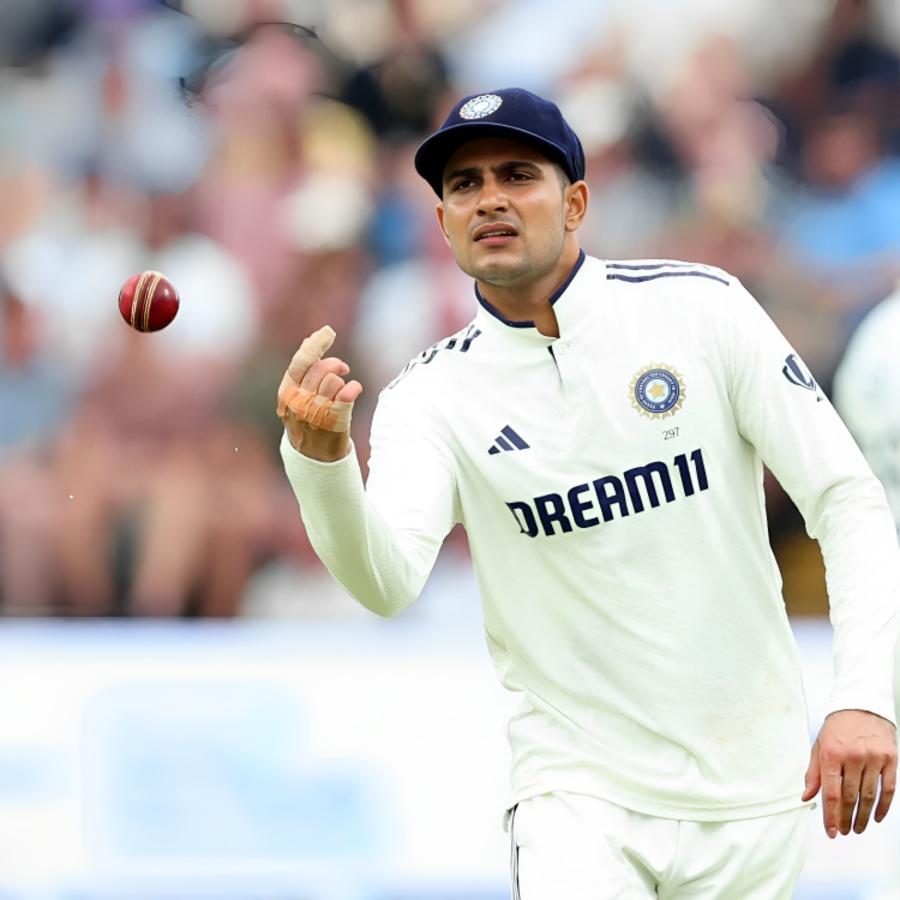
Shubman Gill Urges ICC to Restore Saliva Use on Cricket Balls, Questions Declining Ball Quality
Wellington, November 23, 2026
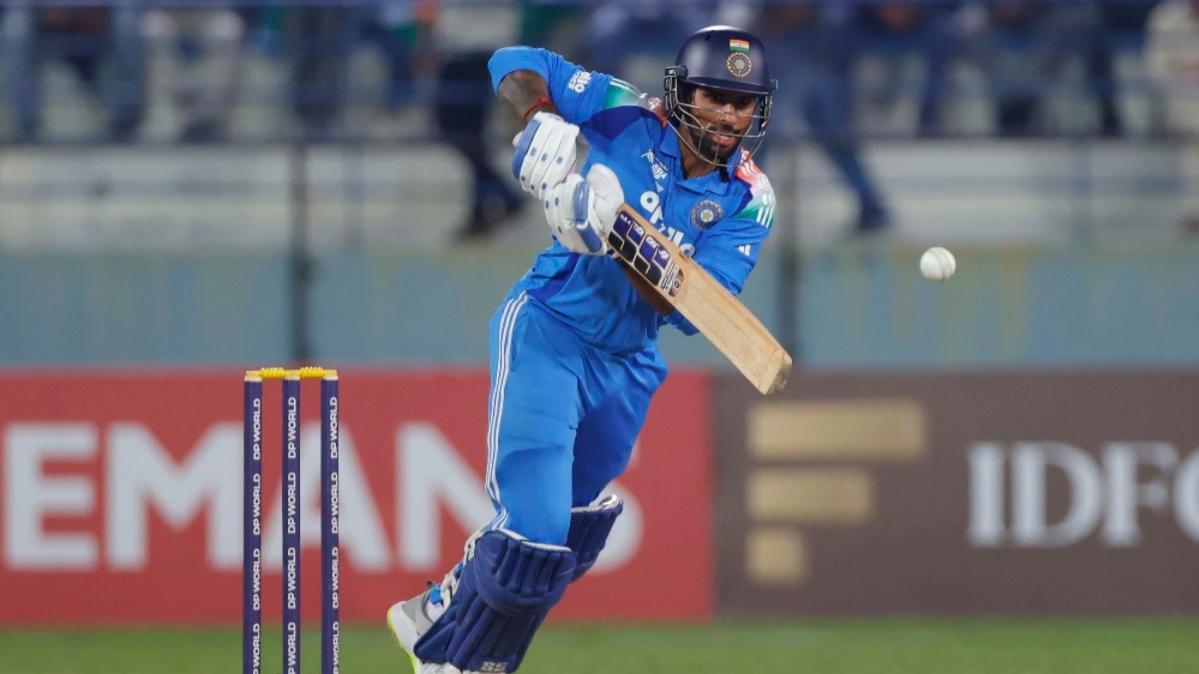
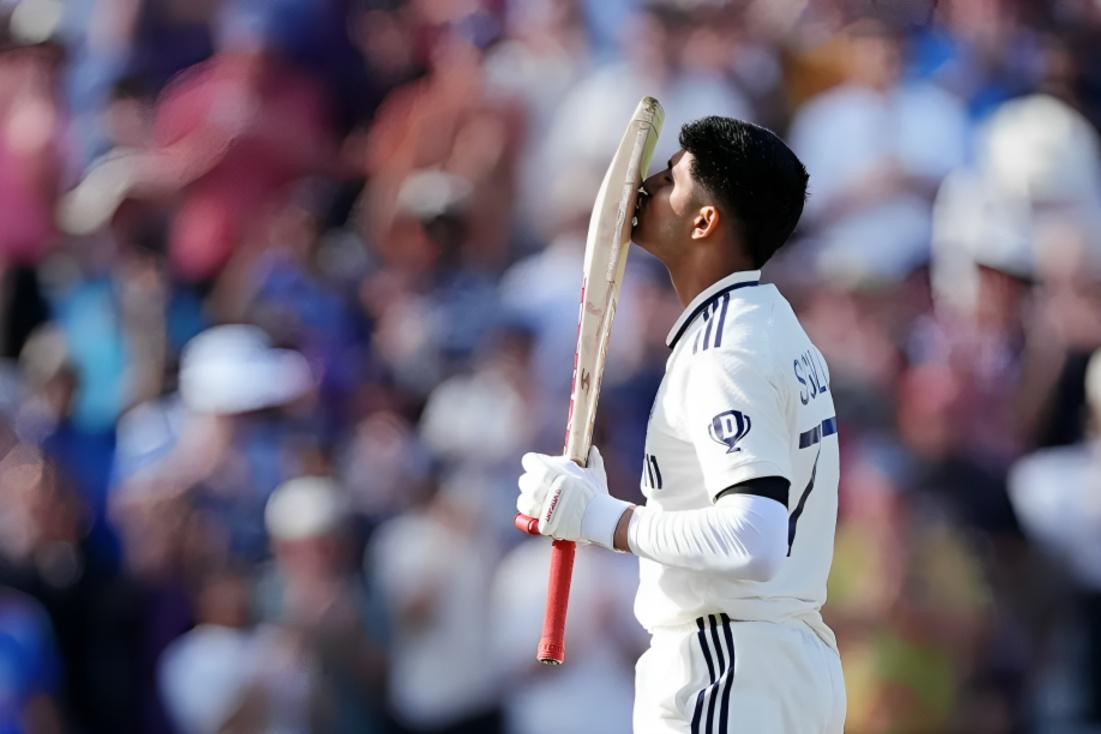
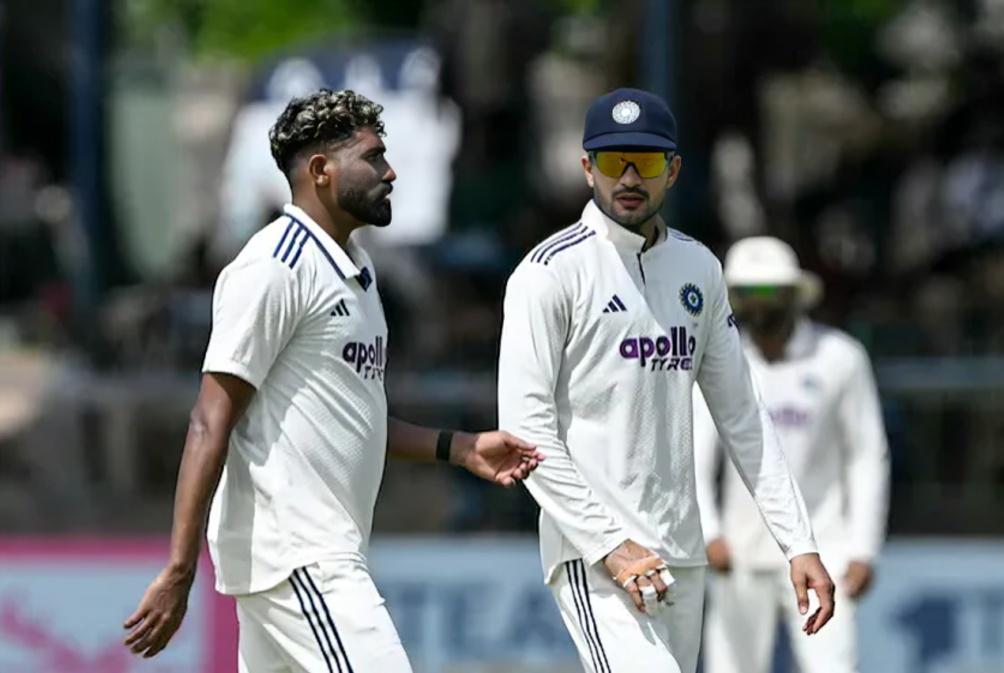
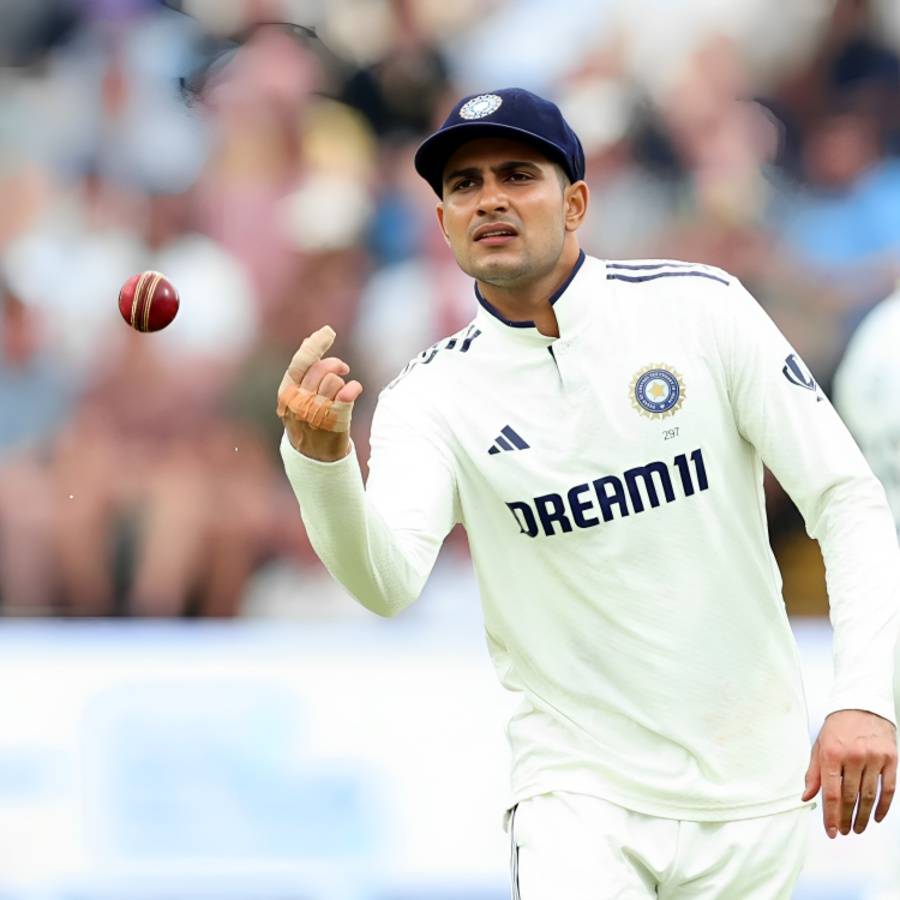
Indian cricket team captain Shubman Gill has urged the International Cricket Council to reconsider its ban on using saliva to shine cricket balls, questioning why a restriction introduced during the COVID pandemic continues to remain in force.
Gill raised the issue following India's drawn first Test against New Zealand at the Basin Reserve in Wellington on Monday.
The Indian captain also expressed concerns about the durability of cricket balls, particularly the Kookaburra ball used during the match.
According to Gill, the ball became soft much earlier than expected, making it increasingly difficult for bowlers to generate movement and take wickets.
His comments came after New Zealand survived the final day despite India establishing a commanding first-innings lead.
Gill believes cricket authorities should review both the quality of balls and the regulations governing their maintenance.
Shubman Gill Questions ICC Saliva Ban
Speaking during the post-match press conference, Gill questioned why players are still prohibited from using saliva to maintain the shine of cricket balls.
The restriction was introduced during the COVID pandemic as a health precaution.
Before the pandemic, fielding teams commonly used saliva to polish one side of the ball and help maintain its condition.
Gill argued that the circumstances surrounding the original restriction have changed significantly.
He believes allowing players to use saliva again could help bowlers maintain the ball more effectively during long innings.
The Indian captain also suggested that the restriction places additional pressure on bowling attacks when playing conditions offer little assistance.
His comments have brought renewed attention to the relationship between cricket regulations and the balance between batters and bowlers.
Why Was Saliva Banned in Cricket?
The use of saliva to shine cricket balls was restricted during the COVID pandemic because of concerns about the possible transmission of infection.
Cricket authorities introduced several temporary health precautions when international matches resumed.
One of those measures prevented players from applying saliva to the ball.
The International Cricket Council subsequently made the restriction permanent as part of changes to the playing conditions.
Players have continued to maintain cricket balls through permitted methods, including polishing them with sweat.
However, saliva remains prohibited under international playing regulations.
Gill has questioned whether the restriction should continue now that the pandemic-related circumstances have changed.
His comments represent a request for the governing body to reconsider the rule rather than an announcement of any official change.
Gill Raises Concerns About Kookaburra Ball Quality
Apart from the saliva restriction, Gill questioned whether the quality of cricket balls has declined.
He specifically referred to the Kookaburra ball used during the Wellington Test.
According to the Indian captain, the ball became unusually soft after approximately 25 to 30 overs.
He suggested that a ball should normally retain its useful hardness for a longer period.
Gill explained that an early loss of hardness reduces the assistance available to fast bowlers.
When the pitch also provides limited movement, bowlers can struggle to create wicket-taking opportunities.
He raised the possibility that changes in ball quality may be contributing to the difficulties experienced by bowling attacks.
However, Gill did not present independent technical evidence establishing that manufacturing standards have declined.
His remarks reflected the concerns he experienced while captaining India during the match.
Why Does a Soft Cricket Ball Make Bowling Difficult?
The condition of a cricket ball plays an important role in Test cricket.
A relatively hard ball can provide better bounce and carry, particularly when fast bowlers deliver it at high speeds.
As the ball becomes older, its physical characteristics gradually change.
The surface becomes worn, the shine reduces and the ball can lose some of its hardness.
These changes may affect the movement and bounce generated by bowlers.
Gill explained that the problem becomes more serious when the ball softens unusually early.
On a flat pitch, a softer ball may not carry edges comfortably to the wicketkeeper or slip fielders.
This can reduce opportunities for catches behind the wicket.
It can also make it harder for bowlers to dismiss batters through conventional seam movement.
Gill believes these factors contributed to India's inability to secure victory in Wellington.
Gill Says Ball Became Soft After 25 to 30 Overs
The Indian captain identified the early deterioration of the ball as a major concern.
He explained that the Kookaburra used during the match appeared to lose its hardness within approximately 25 to 30 overs.
Gill contrasted this with the more gradual softening that teams generally expect as a ball approaches 50 overs of use.
According to him, the problem was particularly frustrating because the Wellington surface offered limited assistance.
The lack of pace and movement made it difficult for India's fast bowlers to trouble New Zealand's batters.
He also indicated that the opposition had raised concerns about the condition of the ball.
Gill's observations suggest that the issue was not limited to one bowling attack.
However, the available reports do not establish whether the ball's behaviour resulted from manufacturing quality, pitch conditions, natural wear or a combination of factors.
India Faced Similar Problems During England Tour
Gill also referred to difficulties experienced during India's tour of England in 2025.
According to the captain, the Dukes balls used during that series also appeared to become soft earlier than expected.
He recalled that ball condition had become a talking point during the opening matches of the tour.
The Indian team encountered similar concerns about the ability of bowlers to generate movement.
Gill suggested that the problem had occurred with different types of cricket balls rather than being restricted to the Kookaburra brand.
His comments indicate that he considers ball durability a wider issue in international Test cricket.
Nevertheless, the performance of cricket balls can vary depending on weather, pitch characteristics, playing conditions and manufacturing specifications.
A detailed assessment would be necessary to determine whether the concerns reflect a broader decline in quality.
India Fail to Secure Victory Against New Zealand
Gill's comments followed a disappointing result for India in the opening Test against New Zealand.
The visitors had established a commanding position after scoring 720 for nine declared in their first innings.
New Zealand had earlier scored 368 runs, giving India a lead of 352.
The Indian team entered the final day hoping to dismiss the remaining New Zealand batters and secure victory.
However, the hosts adopted a patient batting approach and successfully defended their remaining wickets.
New Zealand finished at 239 for five in their second innings.
The match ended in a draw despite India's substantial first-innings advantage.
The result left India without the full World Test Championship points available for victory.
New Zealand Batters Frustrate Indian Bowling Attack
New Zealand resumed the final day at 119 for two.
India needed eight wickets to win the match.
The hosts concentrated on occupying the crease and avoiding unnecessary risks.
During the final day's play, New Zealand added 120 runs while losing only three wickets.
Daryl Mitchell and Glenn Phillips played important roles in protecting the team's position.
Mitchell remained unbeaten on 49, while Phillips finished not out on 26.
Their partnership helped New Zealand survive the remaining overs.
India attempted several bowling combinations but could not produce the breakthroughs required.
The determined batting performance ensured that the opening Test ended without a winner.
Gill Explains Why India Struggled to Take Wickets
Gill acknowledged that the Wellington pitch offered very little assistance to the bowling attack.
According to the captain, the surface lacked sufficient pace and movement.
Although a few deliveries stayed low, they did not create enough difficulty for the batters.
The soft condition of the ball added to the challenge.
Gill explained that the combination of a flat surface and a ball that had lost its hardness made wicket-taking extremely difficult.
The captain also noted that the lack of carry reduced opportunities for catches behind the wicket.
He believed the bowlers had attempted different plans without obtaining the required results.
His explanation focused on the playing conditions and ball behaviour rather than blaming individual bowlers.
Why Did India Agree to End the Match Early?
The match ended after both teams agreed to a draw with playing time remaining.
Gill explained that India's fast bowlers had already completed a substantial workload during the contest.
The captain felt that continuing for a few additional overs was unlikely to change the result.
He said the bowling attack had attempted the available strategies but received little assistance from the pitch.
The decision also reflected the need to manage the workload of India's fast bowlers before the second Test.
The team had spent a considerable amount of time bowling during the five-day contest.
Gill indicated that protecting the players from unnecessary additional workload was an important consideration.
Heavy Bowling Workload Raises Concerns
India's bowling attack delivered close to 250 overs across New Zealand's two innings.
The extended effort placed considerable physical demands on the players.
Fast bowlers are required to maintain speed, accuracy and concentration throughout long spells.
When wickets are difficult to obtain, captains may need to rotate their bowling options repeatedly.
Gill acknowledged the effort made by his bowlers during the Wellington Test.
Following the match, the team management decided to cancel a planned group activity in Christchurch.
The decision was intended to provide the players with additional recovery time.
Gill also indicated that the bowlers deserved recognition for their effort despite the disappointing result.
How Could Saliva Help Maintain a Cricket Ball?
Before the COVID-related restriction, applying saliva was a common method of maintaining the shine on one side of a cricket ball.
Maintaining a difference between the two sides can influence how air flows around the ball.
Under suitable conditions, this can contribute to swing bowling.
However, the amount of movement depends on several factors, including the condition of the ball, its seam, the bowler's technique and atmospheric conditions.
Using saliva does not automatically guarantee greater swing or more wickets.
Gill's argument is that restoring the permitted method could provide bowlers with another way to maintain the ball during long innings.
He believes this would be particularly useful when the pitch offers limited assistance.
Any regulatory change would require consideration by the relevant cricket authorities.
Debate Over Balance Between Bat and Ball
Gill's remarks have highlighted a longstanding issue in Test cricket.
The contest between batters and bowlers is influenced by pitch conditions, ball characteristics, weather and playing regulations.
When a pitch offers little movement and the ball becomes soft, batting can become comparatively easier.
Bowlers may need to rely on patience, accuracy and changes in pace to create opportunities.
Conversely, pitches offering substantial movement can place batters under considerable pressure.
Maintaining a competitive balance is an important consideration in the development of cricket regulations.
Gill believes the existing saliva restriction deserves reconsideration because of its potential impact on bowling conditions.
His comments may encourage further discussion about whether current ball-maintenance rules provide sufficient opportunities for bowlers.
Will ICC Reconsider the Saliva Rule?
Gill has publicly called for a review of the restriction, but there has been no confirmed announcement of an immediate rule change.
The International Cricket Council is responsible for the playing conditions used in international cricket.
Changes to regulations generally involve consultation and consideration of their wider implications.
The ICC would need to evaluate any proposal to restore saliva use, including relevant health, safety and sporting considerations.
It would also need to distinguish between concerns about ball maintenance and questions about manufacturing quality.
Gill's comments have brought attention to both issues.
However, it remains uncertain whether cricket's governing authorities will take formal action in response.
India Prepare for Second Test in Christchurch
India will next face New Zealand in the second and final Test at Hagley Oval in Christchurch.
The match is scheduled to begin on November 27, 2026.
With the opening Test ending in a draw, both teams will have an opportunity to win the series.
India will aim to convert its strong batting performances into a victory.
The bowling attack will also be hoping for conditions that provide greater assistance.
Gill and the team management are expected to assess player fitness and recovery before finalising their plans.
The condition of the cricket ball may remain an important talking point as the teams prepare for the next contest.
Final Summary
India captain Shubman Gill has urged the ICC to reconsider the ban on using saliva to shine cricket balls.
He questioned why a restriction introduced during the COVID pandemic remains in place and argued that bowlers should be allowed to maintain the ball using the previously permitted method.
Gill also raised concerns about the quality and durability of cricket balls after the Kookaburra became soft unusually early during the Wellington Test.
He said similar problems had occurred during India's previous tour of England.
His remarks followed India's inability to dismiss New Zealand on the final day despite establishing a commanding first-innings lead.
The captain believes that ball maintenance and durability deserve greater attention because they can significantly influence the balance between batters and bowlers.
India will now prepare for the second Test in Christchurch, where the team will hope to secure a series victory.