Shubman Gill Explains Mohammed Siraj's Exclusion From New Zealand Test, Defends Decision to Leave Out Ravindra Jadeja
Wellington, November 23, 2026
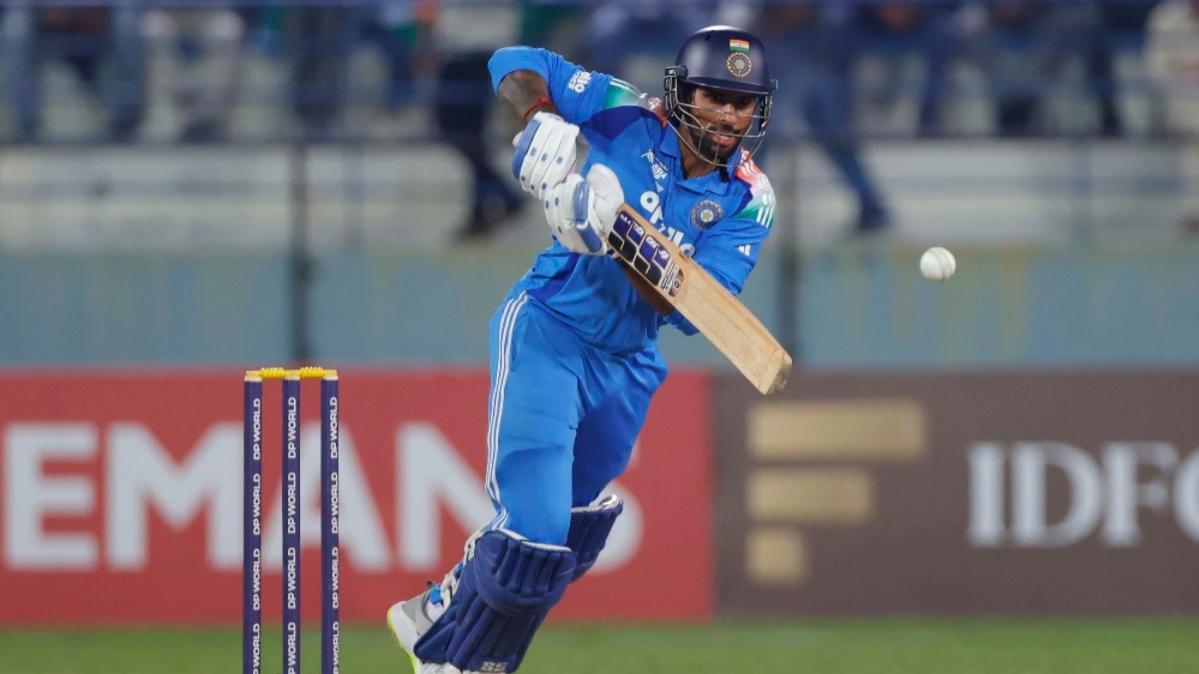
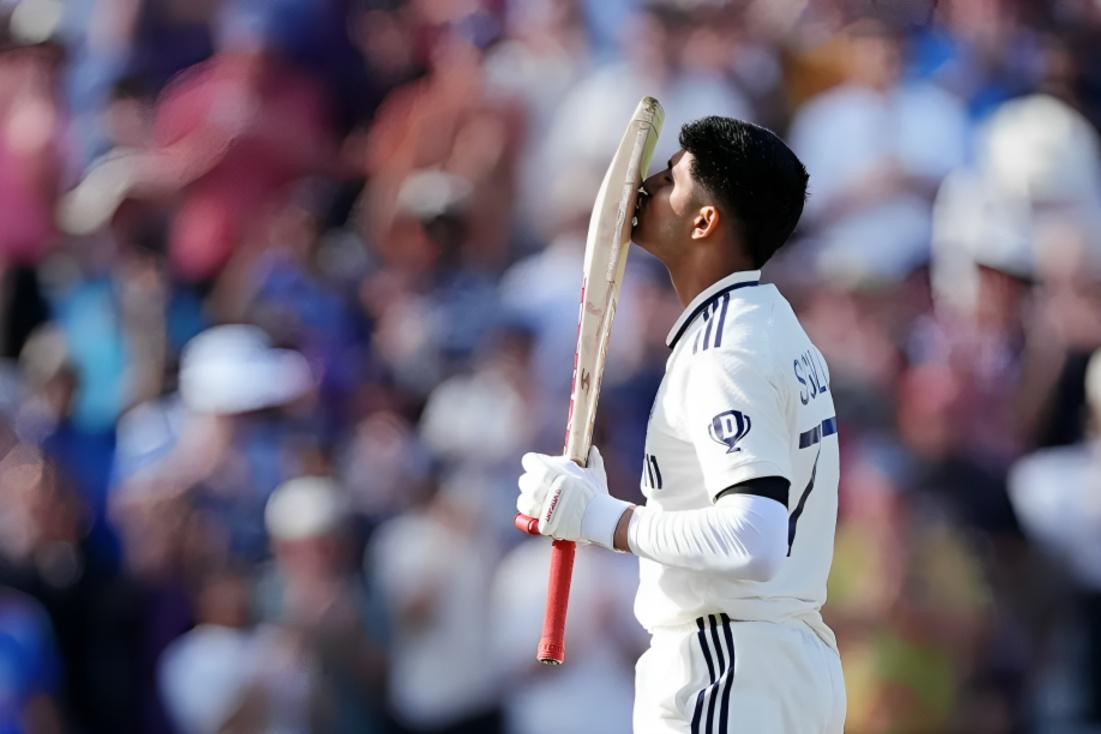
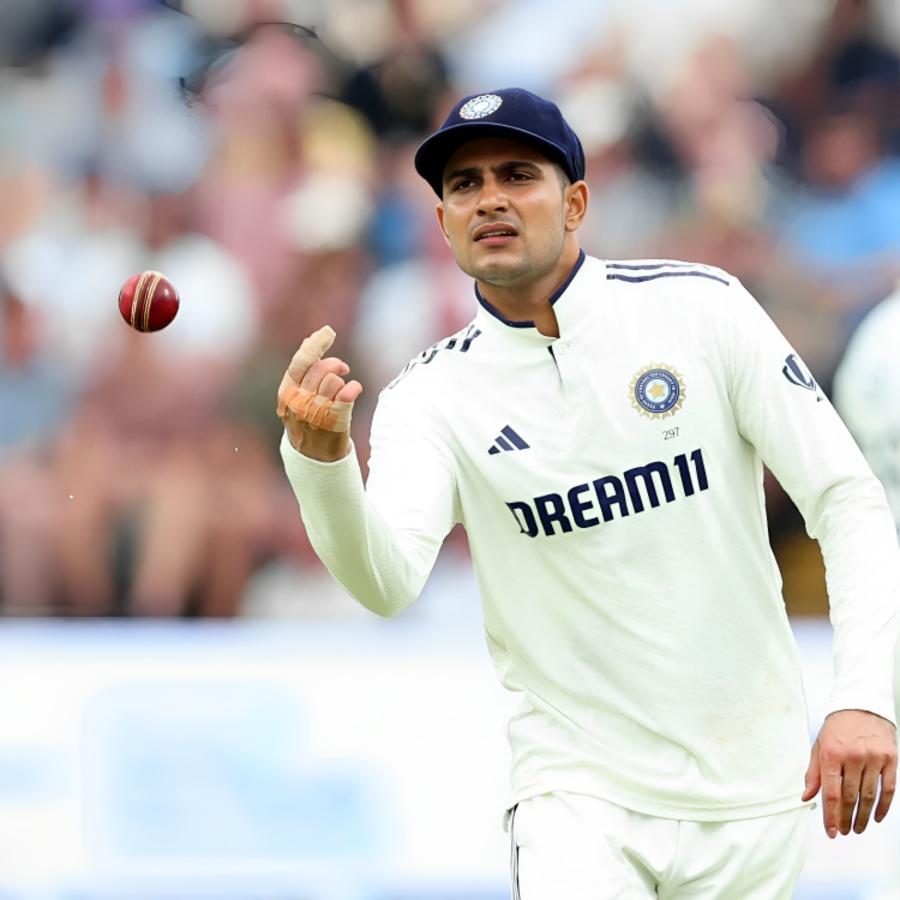
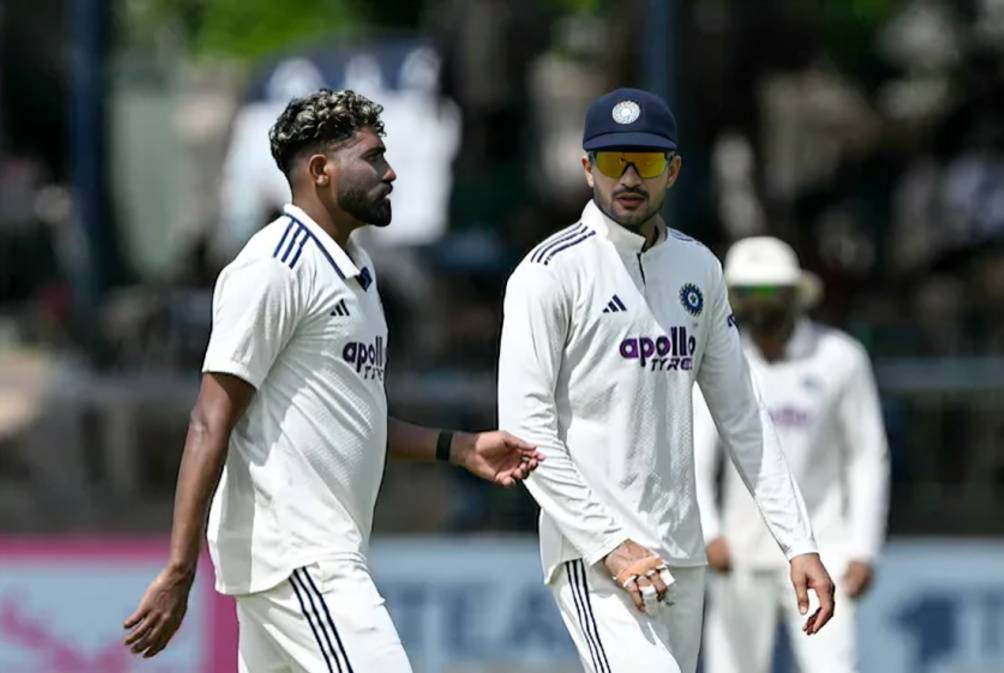
Indian cricket team captain Shubman Gill has explained the decision to leave experienced fast bowler Mohammed Siraj out of the playing XI for the first Test against New Zealand at the Basin Reserve in Wellington.
Speaking after the opening Test ended in a draw, Gill acknowledged that excluding Siraj was a difficult decision, particularly because of their longstanding friendship.
However, the Indian captain maintained that the team management selected its bowling combination after considering the recent form of available players.
Gill also rejected suggestions that including Siraj and experienced all-rounder Ravindra Jadeja would necessarily have changed the result.
The selection decision attracted attention after India failed to dismiss New Zealand in the second innings despite establishing a commanding first-innings lead.
New Zealand successfully survived the final day, leaving India without a victory in the opening match of the two-Test series.
Shubman Gill Explains Why Mohammed Siraj Was Dropped
Mohammed Siraj's absence from India's playing XI was one of the major talking points before and during the Wellington Test.
The experienced fast bowler has played an important role in India's Test bowling attack, particularly in overseas conditions.
However, the team management decided to select four other specialist fast bowlers for the opening match.
Gill explained that the decision was based on the bowlers' current form rather than their past achievements alone.
The captain acknowledged Siraj's contributions to Indian cricket and described him as an important member of the squad.
He also explained that selection decisions sometimes require difficult choices involving experienced players.
According to Gill, the team management believed that the selected bowling attack was the most suitable combination for the Wellington Test.
Gill Describes Siraj as a Close Friend
Gill revealed that his relationship with Siraj made the selection decision particularly difficult.
The two cricketers have known each other for several years and made their Test debuts during the same match against Australia in December 2020.
Their professional relationship developed as both became important members of the Indian team.
Gill said Siraj was a good friend and acknowledged that informing him about his exclusion was not easy.
However, the captain emphasised that personal relationships could not determine the final playing XI.
Team selection required consideration of performance, form and the requirements of the match.
Gill's explanation highlighted the challenge captains face when making decisions involving teammates with whom they share close relationships.
Gill Spoke to Siraj Before the Wellington Test
The Indian captain confirmed that he personally informed Siraj about the selection decision before the match began.
Gill explained the reasoning behind the omission and discussed why another bowler had been preferred.
According to the captain, Siraj understood the explanation.
Gill did not claim that the fast bowler was necessarily happy about missing the match.
Instead, he indicated that Siraj understood the team's reasoning.
The conversation was intended to ensure that the experienced pacer was aware of the decision before the playing XI was announced.
Gill's comments also addressed questions about communication between the captain, team management and players.
Current Form Influenced India's Bowling Selection
Gill identified recent form as the main factor behind Siraj's omission.
The captain explained that even established international cricketers experience periods when they are not performing at their highest level.
He indicated that the selection process involved assessing which bowlers were delivering the strongest performances at that particular time.
Siraj's experience and previous achievements were recognised, but they did not guarantee his place in the playing XI.
The team management ultimately selected the combination it believed offered India the best opportunity to win.
Gill also expressed confidence in Siraj's ability to work hard and return to his best form.
The captain's comments suggested that the omission was a selection decision for the match rather than a permanent judgement on the bowler's international career.
India's Bowling Attack Against New Zealand
India selected four specialist fast bowlers for the Wellington Test.
Jasprit Bumrah led the pace attack, supported by Akash Deep, Prasidh Krishna and Anshul Kamboj.
Washington Sundar was included as the specialist spin-bowling option.
This combination meant that both Mohammed Siraj and Ravindra Jadeja missed out on the playing XI.
The decision was significant because Siraj had been a regular member of India's overseas Test bowling attack.
Jadeja also offers considerable experience as a left-arm spinner and lower-order batter.
However, the team management preferred a different combination for the conditions and opposition.
The selection attracted additional scrutiny after the match ended without a result.
Why Ravindra Jadeja Was Also Left Out
Ravindra Jadeja's absence became another subject of discussion following the Wellington draw.
Jadeja has been an important member of India's Test team because of his contributions with both bat and ball.
His left-arm spin bowling provides control and can create wicket-taking opportunities, particularly when conditions assist spin.
He is also recognised for his fielding and ability to contribute valuable runs.
For the Wellington Test, India preferred Washington Sundar as its specialist spinner.
The selection was reportedly influenced by the balance of New Zealand's batting lineup, which included several left-handed batters.
Sundar's off-spin was considered a suitable option for the team's planned bowling combination.
However, the decision to leave out Jadeja attracted questions after India struggled to take wickets on the final day.
Gill Rejects Suggestions Siraj and Jadeja Would Have Changed the Result
Following the draw, Gill was asked whether Siraj and Jadeja could have made a difference with their bowling accuracy and experience.
The captain rejected the suggestion that their inclusion would necessarily have secured victory.
He maintained confidence in the bowling attack selected for the match.
Gill's response reflected his support for the players who had represented India in Wellington.
The captain did not attribute the result solely to team selection.
Instead, the match highlighted the challenges of taking wickets when opposition batters were determined to survive and conditions offered limited assistance.
Although some observers questioned the omission of Siraj and Jadeja, there is no way to establish whether selecting them would have changed the outcome.
India Dominate With Record Batting Performance
India appeared to be in a strong position after producing an outstanding first-innings batting performance.
New Zealand were dismissed for 368 in their first innings.
The Indian batters then established a commanding advantage by reaching 720 for nine declared.
KL Rahul scored 136, while wicketkeeper-batter Rishabh Pant contributed 128.
Captain Shubman Gill made 98, narrowly missing a century.
Yashasvi Jaiswal, Devdutt Padikkal and other members of the batting lineup also made valuable contributions.
India's total gave the visitors a first-innings lead of 352 runs.
The substantial advantage placed New Zealand under pressure and created an opportunity for India to pursue victory.
However, the hosts produced a determined second-innings batting performance.
New Zealand Survive Final Day to Secure Draw
India entered the final day requiring eight wickets to win the match.
The visitors had already established a strong position and were hoping to complete the remaining dismissals.
However, New Zealand's batters showed considerable patience and discipline.
The Indian bowling attack managed to take three wickets during the final day but could not dismiss the remaining batters.
Daryl Mitchell and Glenn Phillips played important roles in protecting New Zealand's position.
Mitchell remained unbeaten on 49, while Phillips finished not out on 26.
Their partnership prevented India from securing further breakthroughs during the closing stages.
New Zealand eventually finished at 239 for five after batting for 120 overs in their second innings.
The match ended in a draw, leaving the two-Test series level.
India's Missed Opportunity Raises Selection Questions
India's inability to complete the victory increased attention on the decision to leave Siraj and Jadeja out.
Both players have substantial international experience and have contributed to important Test performances.
Some former cricketers questioned whether the team would have benefited from their skills in Wellington.
However, Gill defended the selection and maintained that the management had chosen the best available combination based on its assessment of form.
The debate highlighted the difficulty of evaluating team selection after a match.
A captain must make decisions before knowing how conditions will develop or how the opposition will respond.
Although alternative selections can be discussed, their potential impact remains uncertain.
Mohammed Siraj's Importance to India's Test Team
Siraj has established himself as an important fast bowler for India in international cricket.
His ability to maintain pressure, bowl long spells and generate movement has contributed to several notable performances.
During India's five-Test series in England in 2025, Siraj claimed 23 wickets and played a significant role in helping the visitors secure a series draw.
He has also contributed consistently during the ongoing World Test Championship cycle.
According to reported statistics, Siraj has taken 43 wickets in 11 Tests during the 2025 to 2027 championship period.
His record explains why the decision to exclude him from the Wellington playing XI attracted considerable attention.
Nevertheless, Gill maintained that recent performances were an important part of the selection process.
Former Cricketers Question Siraj's Exclusion
Several former Indian cricketers expressed surprise over Siraj's absence from the team.
Former captain Sunil Gavaskar questioned the decision to leave out a bowler with considerable experience in overseas conditions.
Former India head coach Ravi Shastri also raised concerns about the bowling combination.
Other cricket commentators and former players discussed whether the team management had placed too much emphasis on recent form.
The criticism intensified after New Zealand survived the final day.
However, Gill continued to support the decision.
The contrasting opinions reflected the wider debate about balancing experience, current form and team requirements.
Could Siraj Return for the Second Test?
Siraj remains available for selection in the second Test against New Zealand.
The final match of the series is scheduled to begin on November 27 at Hagley Oval in Christchurch.
The team management will assess the conditions and available players before deciding the playing XI.
Siraj's experience in overseas Test cricket could be considered when the bowling combination is reviewed.
However, Gill indicated that much of the team could remain similar to the lineup used in Wellington.
His comments did not confirm whether Siraj would return.
The final decision is expected to depend on the conditions, player form and the balance required for the match.
Ravindra Jadeja's Selection Also Remains Uncertain
Jadeja's possible inclusion in the second Test will also depend on India's preferred bowling combination.
The experienced all-rounder provides a different option from Washington Sundar.
Jadeja's left-arm spin and lower-order batting offer additional flexibility.
However, Sundar's off-spin may remain an important consideration depending on the opposition batting lineup.
The team management will need to evaluate whether changes are necessary after the Wellington draw.
India's bowling performance in the first Test is likely to form part of those discussions.
Nevertheless, there has been no confirmed announcement that Jadeja will replace Sundar for the Christchurch match.
World Test Championship Adds Importance to Christchurch Test
The drawn opening Test also has implications for India's World Test Championship campaign.
India missed the opportunity to collect the full points available for a Test victory.
The result increased the importance of securing a positive outcome in the second match.
The team will be aiming to improve its position in the championship standings while also attempting to win the two-Test series.
New Zealand will have similar ambitions after avoiding defeat in Wellington.
Both teams will therefore approach the Christchurch Test with considerable motivation.
India's bowling selection could become an important factor in its attempt to secure victory.
Gill Backs Siraj to Return Stronger
Despite leaving Siraj out of the opening Test, Gill expressed confidence in the experienced fast bowler.
The captain acknowledged that players can experience temporary declines in form during long international careers.
He indicated that Siraj has the determination required to overcome such periods.
Gill's comments suggested that the bowler remains an important part of India's plans.
The captain also emphasised the importance of players continuing to work hard when they are not selected.
Siraj's response to the omission could become an important development as India prepares for future Test assignments.
India Prepare for Crucial Second Test
India will now focus on the second Test at Hagley Oval in Christchurch.
The opening match demonstrated the team's ability to produce an outstanding batting performance.
However, the inability to dismiss New Zealand in the second innings prevented India from converting that advantage into victory.
The team management must now consider whether to retain the same bowling combination or make changes.
Siraj and Jadeja remain among the experienced options available.
Gill has defended the decisions made for the Wellington Test, but the Christchurch conditions may require a fresh assessment.
The second match will determine the outcome of the series.
Final Summary
Shubman Gill has explained that Mohammed Siraj was excluded from India's playing XI for the first Test against New Zealand because the team management prioritised current form.
The Indian captain acknowledged that leaving out Siraj was difficult because of their close friendship.
He also confirmed that he had personally discussed the decision with the fast bowler before the match.
Following the draw, Gill rejected suggestions that including Siraj and Ravindra Jadeja would necessarily have changed the result.
India had established a 352-run first-innings lead but could not dismiss New Zealand on the final day.
With the series level, attention now turns to the second Test in Christchurch on November 27.
The upcoming match will provide India with another opportunity to secure victory and reconsider its bowling combination.