Sourav Ganguly Questions Gill and Gambhir's Team Selection After Wellington Test Draw, Calls for Specialist Spinner
Wellington, November 23, 2026
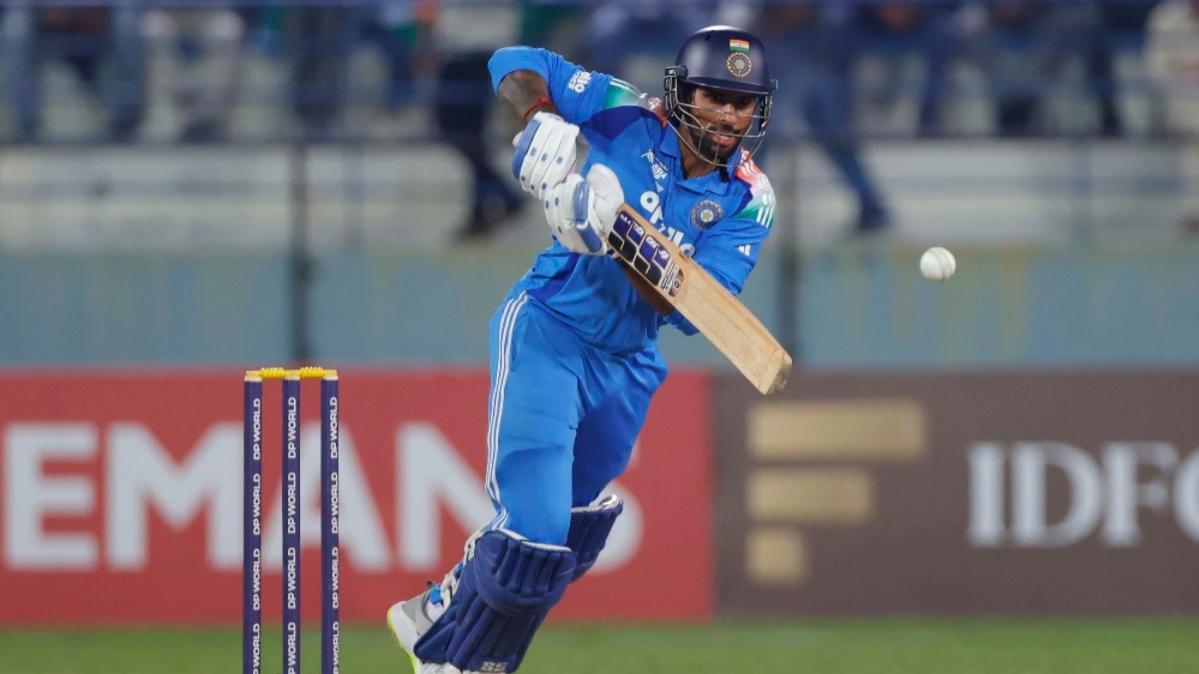
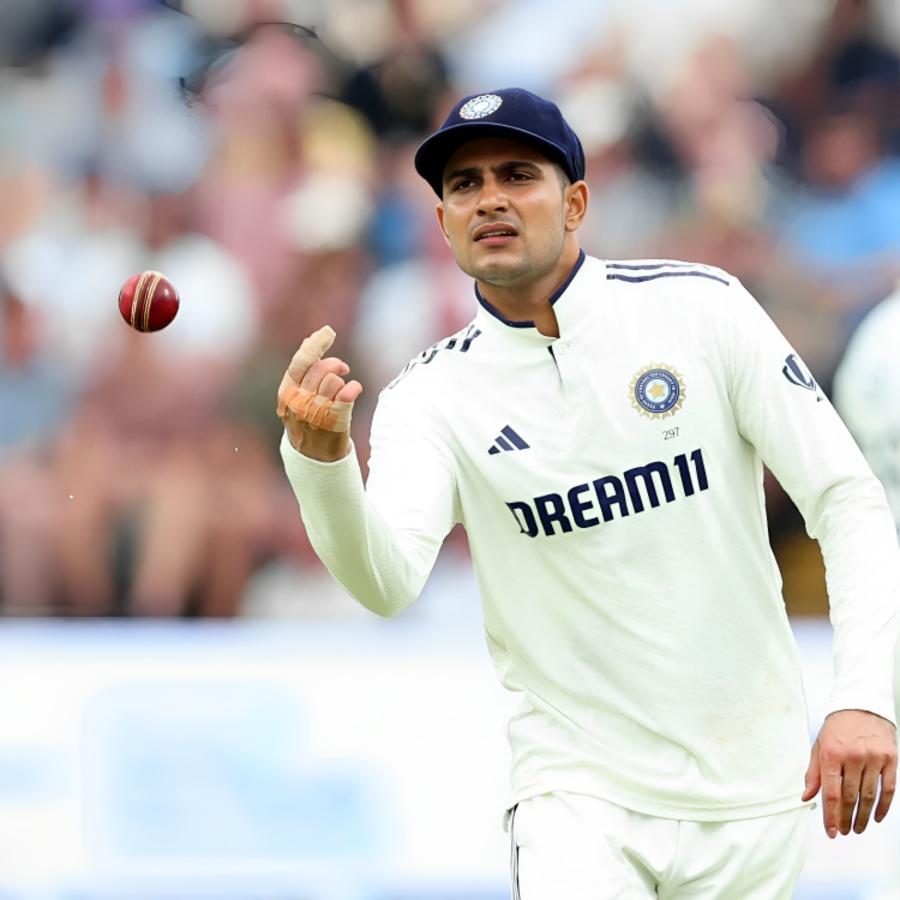
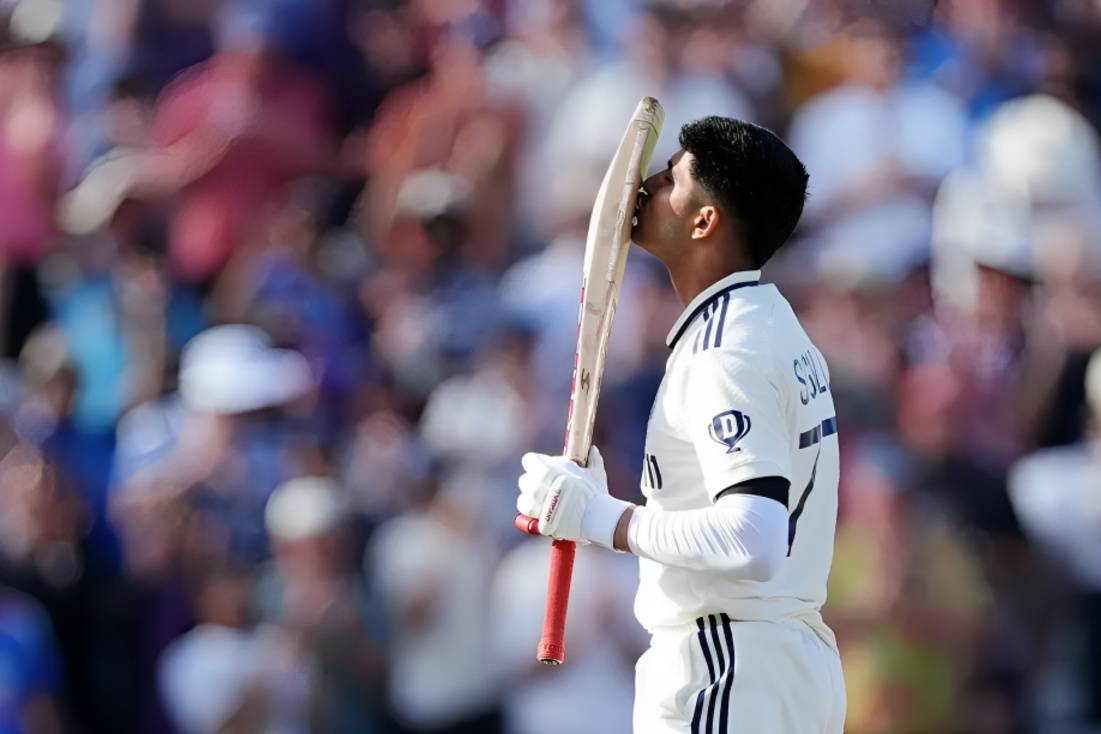
Former Indian cricket team captain Sourav Ganguly has questioned the team selection strategy adopted by captain Shubman Gill and head coach Gautam Gambhir after India failed to secure victory against New Zealand in the opening Test at Wellington's Basin Reserve.
Despite dominating significant portions of the five-day contest, India could not dismiss New Zealand in the second innings, allowing the hosts to secure a draw.
Ganguly believes India's decision to play without a specialist frontline spinner was a major tactical mistake, particularly on a surface that became increasingly favourable for batting.
The former captain praised India's batting performances but stressed that teams need a genuine wicket-taking spinner to succeed in overseas Test matches when pitches become flat.
His comments have intensified the discussion surrounding India's bowling combination ahead of the second Test in Christchurch.
Sourav Ganguly Questions India's Bowling Combination
Ganguly expressed his views through a social media post following the conclusion of the Wellington Test.
The former Indian captain acknowledged the team's impressive performances across formats during the New Zealand tour.
However, he suggested that India's selection strategy did not adequately account for how the Basin Reserve pitch would behave during the later stages of the match.
According to Ganguly, a specialist spinner becomes particularly important when the surface loses its pace and movement.
He argued that teams competing in overseas Test matches must recognise the value of having a genuine spin-bowling option.
Ganguly's criticism was directed towards the composition of the squad and the playing XI rather than the overall effort of India's players.
He specifically questioned the absence of Kuldeep Yadav and Manav Suthar from the available spin-bowling options.
Ganguly Says India Need a Genuine Spinner
The central point of Ganguly's criticism concerned the importance of specialist spin bowling in Test cricket.
He suggested that the team management had underestimated the need for a bowler capable of taking wickets when conditions became difficult for fast bowlers.
Although overseas pitches are often associated with seam movement and bounce, they can become slower and flatter as matches progress.
In such circumstances, a specialist spinner may provide an alternative method of creating wicket-taking opportunities.
Ganguly believes India should consider this possibility when selecting teams for overseas assignments.
His argument was particularly relevant to the Wellington Test because the surface offered limited assistance during the final two days.
India's fast bowlers worked hard but could not dismiss the remaining New Zealand batters.
The former captain viewed the absence of a frontline spinner as an important factor in the team's inability to secure victory.
Why Did Ganguly Mention Kuldeep Yadav and Manav Suthar?
Ganguly specifically raised questions about the absence of Kuldeep Yadav and Manav Suthar.
Kuldeep is a specialist left-arm wrist-spinner who has represented India across international formats.
His bowling provides a different attacking option from conventional finger spin.
A wrist-spinner can potentially create opportunities through changes in flight, turn, pace and variation.
Manav Suthar is a left-arm orthodox spinner who has developed his reputation through domestic cricket.
He has attracted attention for his performances in longer-format matches.
Ganguly questioned why neither player was available as a specialist spin-bowling option for the Wellington Test.
His remarks suggested that India should have considered including at least one of them in the squad.
However, the former captain did not claim that selecting a particular spinner would automatically have guaranteed victory.
His criticism focused on the importance of having appropriate bowling options available.
Washington Sundar's Role Comes Under Discussion
India selected Washington Sundar as the primary spin-bowling option for the first Test.
Sundar is an all-rounder who contributes with off-spin bowling and batting.
The team management preferred him over experienced left-arm spinner Ravindra Jadeja.
According to the explanation provided by India's batting coach Sitanshu Kotak, the decision was influenced by the presence of several left-handed batters in New Zealand's lineup.
The management believed Sundar's off-spin could provide a suitable option against those players.
However, the spinner struggled to make a decisive impact during the match.
Sundar bowled approximately 50 overs across the two innings but managed only one wicket.
His limited success became a subject of discussion after New Zealand survived the final day.
Ganguly suggested that Sundar could continue contributing as an all-rounder while India also selected a specialist spinner.
This approach would provide the team with another wicket-taking option without necessarily removing Sundar from the lineup.
India Select Four Specialist Fast Bowlers
India entered the Wellington Test with a pace-heavy bowling attack.
Jasprit Bumrah, Akash Deep, Prasidh Krishna and Anshul Kamboj were selected as the four specialist fast bowlers.
Washington Sundar provided the main spin-bowling option.
The selection reflected India's expectation that the Basin Reserve pitch would offer assistance to fast bowlers.
The surface initially appeared capable of producing movement and bounce.
However, the conditions changed as the match progressed.
The pitch became slower and offered limited assistance during the later stages.
This reduced the effectiveness of India's pace-heavy strategy.
Ganguly's criticism highlighted the importance of preparing for different conditions over the course of a five-day Test match.
Wellington Pitch Becomes Difficult for Bowlers
The condition of the Basin Reserve surface played a significant role in the outcome.
During the opening stages, the pitch offered some assistance to fast bowlers.
However, the surface gradually became flatter and slower.
By the final day, India's bowlers struggled to generate enough movement to trouble New Zealand's batters consistently.
Captain Shubman Gill acknowledged the difficulty of bowling on the surface.
He explained that the pitch offered limited assistance and that the ball had become soft during extended spells.
New Zealand's batters took advantage of the conditions by adopting a patient approach.
The surface became an important part of the discussion surrounding India's inability to complete the victory.
Ganguly's argument was that a specialist spinner could have provided another attacking option as the pitch changed.
India Establish Commanding First Innings Lead
India had appeared well positioned to win the match after producing an outstanding batting performance.
New Zealand scored 368 runs in their first innings.
India responded with a record-breaking total of 720 for nine declared.
The visitors established a substantial lead of 352 runs.
KL Rahul scored 136, while Rishabh Pant contributed an attacking 128.
Captain Shubman Gill made 98 runs, narrowly missing a century.
Several other Indian batters also made valuable contributions.
The total demonstrated India's batting strength and placed New Zealand under considerable pressure.
However, despite holding a commanding advantage, India could not take the remaining wickets required to secure victory.
New Zealand Survive Final Day
New Zealand entered the final day needing to protect eight wickets.
India began the day confident that its bowlers could complete the dismissals.
However, the hosts produced a determined defensive batting performance.
The Indian bowling attack managed to take only three wickets during the final day's play.
Daryl Mitchell and Glenn Phillips then formed an important partnership.
Mitchell remained unbeaten on 49, while Phillips finished not out on 26.
Their unbeaten sixth-wicket partnership helped New Zealand avoid defeat.
The hosts eventually finished their second innings at 239 for five.
The match ended in a draw, leaving India frustrated after dominating much of the contest.
Ganguly Praises India's Batting Performance
Although Ganguly criticised the bowling selection, he acknowledged India's impressive batting.
The former captain praised the application shown by the Indian batters during the New Zealand tour.
India's first-innings total of 720 for nine declared demonstrated the team's ability to build partnerships and score heavily in overseas conditions.
The batting lineup displayed patience and discipline while taking advantage of scoring opportunities.
Ganguly's remarks therefore did not represent a complete criticism of the team's performance.
Instead, he distinguished between the batting effort and the bowling combination.
He suggested that India's batting had provided an excellent opportunity to win the match.
However, the bowling attack lacked the variety needed to complete the victory on a flat surface.
Gautam Gambhir's Selection Strategy Faces Questions
As head coach, Gautam Gambhir plays an important role in discussions about team balance and selection.
The decision to field four specialist fast bowlers and one spin-bowling all-rounder reflected the management's assessment of the conditions.
However, the outcome raised questions about whether the team had planned sufficiently for the possibility of a flat pitch.
Ganguly's criticism focused on the need to anticipate changing conditions during a Test match.
A surface that assists fast bowlers on the opening day may behave differently after several days of play.
The former captain suggested that including a specialist spinner could provide greater flexibility.
His comments have added to the wider discussion about India's selection strategy under Gill and Gambhir.
Shubman Gill Defends Team's Approach
Following the draw, Shubman Gill defended the effort made by India's bowlers.
The captain explained that the pitch became increasingly difficult for bowlers as the match progressed.
He also raised concerns about the cricket ball losing its hardness earlier than expected.
Gill said the team had attempted different bowling plans but could not produce the necessary breakthroughs.
The captain also defended the decision to end the match before all the scheduled overs had been completed.
He explained that the fast bowlers had already completed a demanding workload.
With another Test approaching, the management considered the players' recovery an important factor.
Gill's explanation focused on the conditions and physical demands of the match.
Ganguly, however, emphasised the need for a different bowling combination.
Ravindra Jadeja and Mohammed Siraj Also Missed the Match
India's selection decisions attracted additional attention because experienced players Ravindra Jadeja and Mohammed Siraj were left out of the playing XI.
Siraj has been an important member of India's Test pace attack, particularly in overseas conditions.
Jadeja provides left-arm spin bowling, lower-order batting and fielding ability.
The management preferred other options for the Wellington Test.
Gill later explained that Siraj's omission was influenced by his recent form.
The decision to select Sundar ahead of Jadeja was linked to the composition of New Zealand's batting lineup.
However, Ganguly's main concern was the absence of a specialist attacking spinner such as Kuldeep or Suthar.
His argument was that India needed a genuine wicket-taking spin option in addition to its existing all-rounders.
Why Specialist Spinners Matter in Test Cricket
Specialist spinners can play an important role in long Test matches.
As pitches become older, surface wear may create opportunities for spin and variable bounce.
However, not every pitch deteriorates in the same way.
Some surfaces become slower without providing substantial turn.
In those conditions, a skilled spinner may still attempt to create chances through variations in flight, pace and trajectory.
A specialist spinner can also reduce the workload on fast bowlers by delivering extended spells.
This becomes particularly important when the opposition bats for long periods.
Ganguly's comments highlighted these tactical advantages.
He believes India should maintain a balanced bowling attack capable of responding to different conditions.
India's World Test Championship Campaign Affected
The Wellington draw also affected India's World Test Championship campaign.
India entered the match hoping to secure a victory and collect valuable championship points.
However, the team received four points for the draw instead of the 12 available for a win.
The result reduced India's points percentage and increased the importance of upcoming matches.
The inability to complete the victory was particularly disappointing because India had established such a substantial first-innings lead.
Ganguly's criticism came against this competitive background.
He believes the team must improve its selection strategy to secure victories in overseas conditions.
The remaining matches in the championship cycle will be important for India's prospects.
Can India Change Its Bowling Combination for Christchurch?
India will face New Zealand in the second Test at Hagley Oval in Christchurch.
The match is scheduled to begin on November 27, 2026.
With the opening Test ending in a draw, the series remains undecided.
India's management will need to assess the conditions before finalising its playing XI.
The Christchurch pitch may offer different characteristics from the surface used in Wellington.
The team could consider changes to its bowling combination depending on the available players.
However, Kuldeep Yadav and Manav Suthar were not part of the squad available for the opening Test.
Any change involving players outside the current squad would require an appropriate selection decision.
Ganguly's remarks may increase attention on whether India considers additional specialist spin options.
India Must Improve Its Ability to Take 20 Wickets
One of the central principles of Test cricket is that a team generally needs to dismiss the opposition twice to secure victory.
India's batting performance in Wellington created a strong opportunity to achieve that objective.
However, the bowling attack could not complete the required dismissals.
The match demonstrated that scoring a large total does not automatically guarantee victory.
Teams also need a bowling attack capable of creating opportunities in different conditions.
Ganguly's comments focused on this aspect of Test cricket.
He believes a specialist spinner can be an essential component of a balanced overseas bowling attack.
The former captain's criticism therefore extends beyond the outcome of a single match.
It concerns how India should approach team selection during future Test assignments.
Final Summary
Sourav Ganguly has questioned the team selection decisions of Shubman Gill and Gautam Gambhir following India's drawn first Test against New Zealand in Wellington.
The former Indian captain believes the team made a tactical mistake by not including a specialist spinner.
He praised India's batting performance but argued that a genuine spin-bowling option is necessary when overseas pitches become flat.
Ganguly specifically questioned the absence of Kuldeep Yadav and Manav Suthar.
India selected four specialist fast bowlers and Washington Sundar as its primary spin option.
Despite scoring 720 for nine declared and establishing a 352-run first-innings lead, India could not dismiss New Zealand on the final day.
The hosts survived at 239 for five to secure a draw.
India will now prepare for the second Test in Christchurch, where the bowling combination is expected to remain a major subject of discussion.