
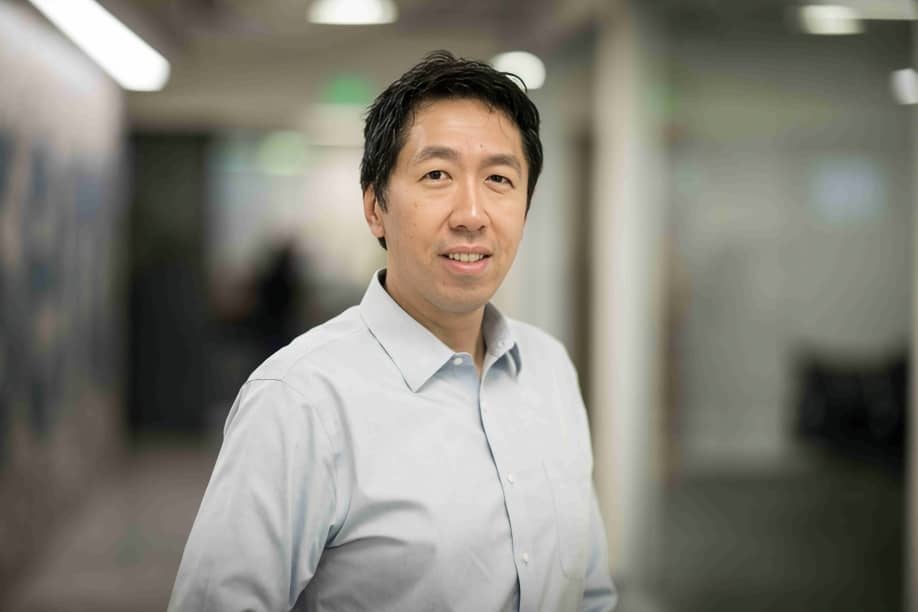

The rapid growth of artificial intelligence technologies has triggered worldwide discussions about the future of employment, automation, and workplace transformation. As major technology companies continue investing heavily in AI systems, concerns about large scale job losses have increased across multiple industries. However, Andrew Ng, co founder of Coursera and one of the most recognised figures in the AI industry, believes fears surrounding a so called “jobpocalypse” may be overstated.
Andrew Ng recently shared his views on how artificial intelligence is expected to impact global employment in the coming years. According to him, AI will likely create more opportunities than it destroys by changing the nature of work rather than completely replacing human workers.
Artificial intelligence technologies are already being used across industries including healthcare, finance, education, manufacturing, customer service, transportation, and software development. Many companies are adopting AI tools to automate repetitive tasks, improve efficiency, analyse data, and enhance customer experiences.
The rapid adoption of AI has raised concerns among workers who fear that automation could reduce the need for human employees in several sectors. Discussions about job security have intensified particularly after advancements in generative AI systems capable of producing text, images, coding assistance, and customer support responses.
However, Andrew Ng argues that technological revolutions throughout history have often created new industries and employment opportunities even while replacing certain traditional tasks. He believes artificial intelligence should be viewed as a tool that enhances human productivity rather than a complete substitute for human labour.
Industry analysts note that AI systems still require human oversight, creativity, decision making, ethical judgment, and specialised expertise in many professional environments. Experts also point out that new job categories are emerging in areas such as AI training, machine learning operations, cybersecurity, data management, and digital content development.
The growing importance of skill development and continuous learning has become a major topic in discussions regarding the future workforce. Educational platforms such as Coursera have reported increased demand for courses related to artificial intelligence, data science, programming, and digital technologies as workers seek to adapt to changing industry requirements.
Technology companies worldwide are investing billions of dollars into AI infrastructure and software development. As competition intensifies among major firms, public conversations regarding the benefits and risks of AI continue expanding.
Some experts believe certain repetitive and routine jobs may indeed decline due to automation. However, they also argue that human centred roles involving communication, leadership, emotional intelligence, creativity, and critical thinking are likely to remain valuable.
Governments and policy makers across different countries are also examining how artificial intelligence could affect employment markets, economic growth, education systems, and labour regulations. Several nations are discussing workforce training programs aimed at preparing workers for future technology driven industries.
Social media discussions surrounding AI and employment have grown rapidly as people debate whether automation will improve quality of life or increase economic uncertainty. Opinions remain divided, with some viewing AI as an opportunity for innovation while others fear rising inequality and reduced job stability.
Andrew Ng has consistently advocated for broader AI education and responsible technological development. He believes preparing workers through education and reskilling initiatives will be critical to ensuring that societies benefit from AI driven transformation.
Technology observers note that previous industrial and digital revolutions also created fears regarding employment disruption. Over time, however, economies adapted by generating entirely new industries and career opportunities.
Overall, discussions regarding artificial intelligence and employment are expected to continue as AI adoption accelerates worldwide. While concerns about automation remain significant, experts like Andrew Ng believe the technology’s long term impact may ultimately result in new forms of economic growth, innovation, and employment opportunities rather than widespread permanent job losses.


