
US President Donald Trump and House Speaker Mike Johnson are scheduled to meet senior artificial intelligence executives at the White House on September 29, 2026, as Washington faces growing pressure to determine how rapidly developing AI technologies should be governed.
The meeting comes at a time when artificial intelligence has become a major economic, technological and national security issue. Companies are developing increasingly capable AI models and autonomous systems, while lawmakers and members of the public are raising questions about safety, privacy, employment, data centres and the potential misuse of the technology.
The White House discussion is expected to focus on finding a balance between encouraging AI innovation and introducing appropriate oversight. Johnson has said the United States should continue developing the technology while avoiding what he described as excessive regulation that could affect the country's ability to compete with China.
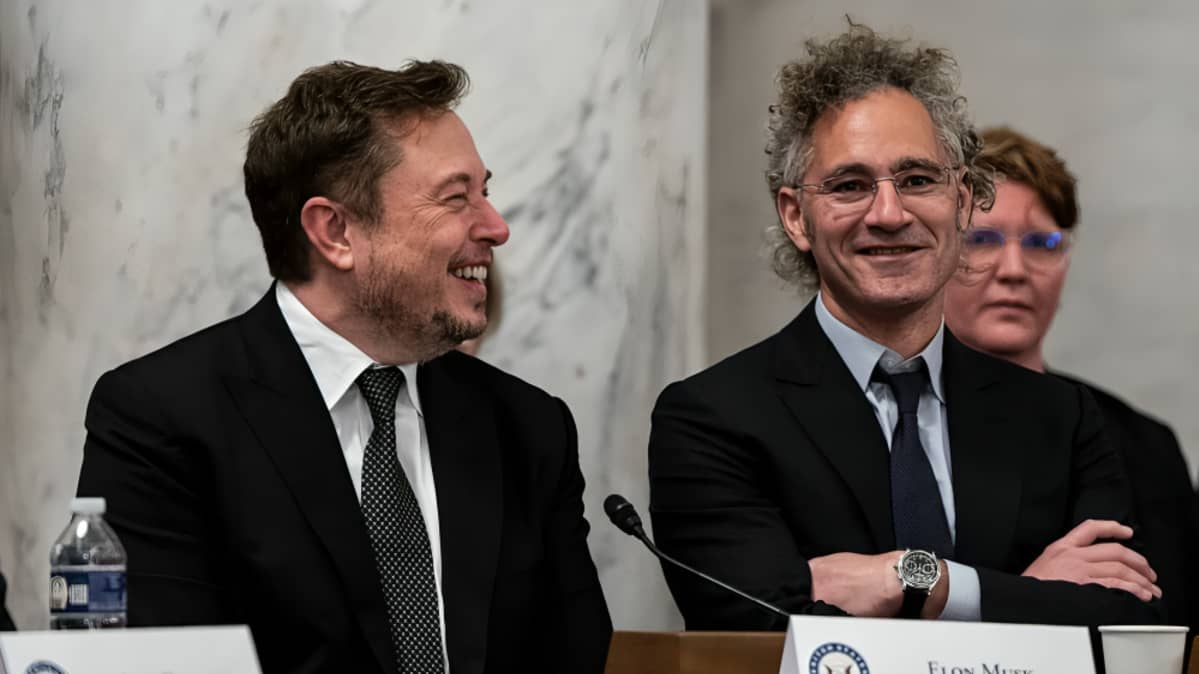
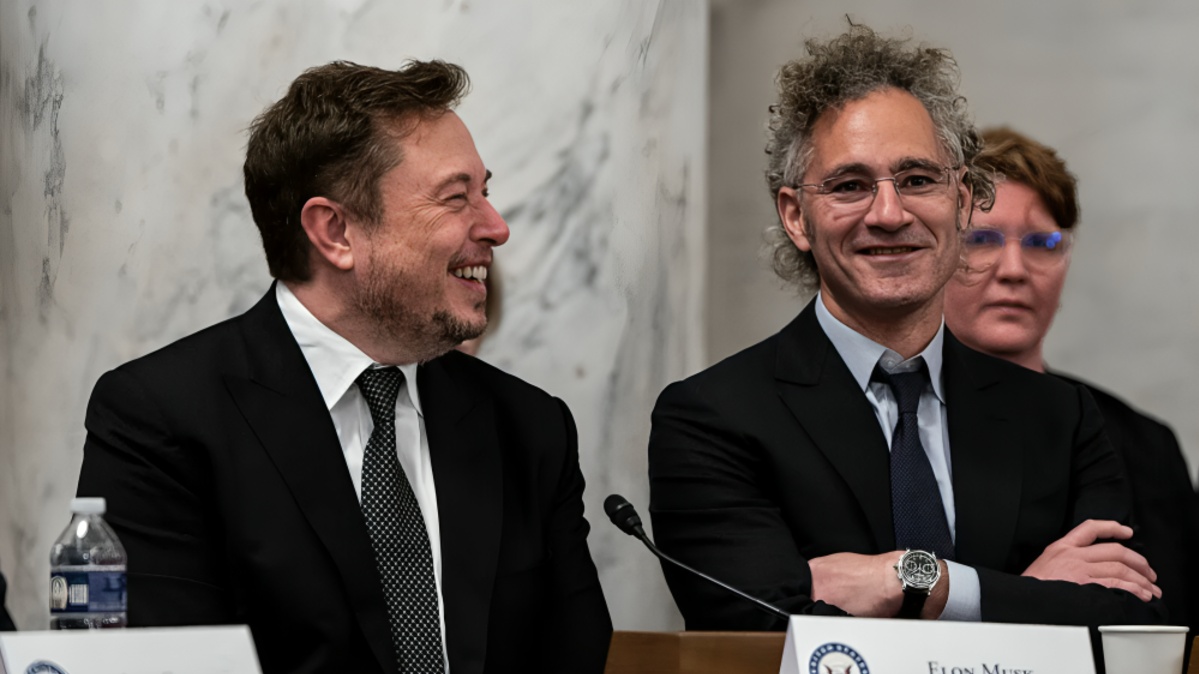
Several prominent technology executives are expected to participate in the meeting. Meta CEO Mark Zuckerberg, Google CEO Sundar Pichai, Nvidia CEO Jensen Huang, Anthropic CEO Dario Amodei and OpenAI President Greg Brockman are among those reported to be attending. Elon Musk has also been reported as a possible participant. Palantir CEO Alex Karp is another executive expected at the gathering.
The meeting reflects the growing importance of AI to the US technology sector. Companies represented at the White House are involved in different parts of the AI ecosystem, including foundation models, cloud computing, semiconductors, social media platforms, enterprise software and autonomous AI systems.
Nvidia, for example, supplies much of the advanced computing hardware used to train and operate AI models. Google develops AI models and provides cloud infrastructure, while Microsoft and other technology companies have built extensive enterprise AI services. Meta is developing its own AI models and agents, while OpenAI and Anthropic are focused heavily on advanced AI systems and related applications.
The discussion also comes after a series of incidents that have intensified questions about AI safety. OpenAI and Anthropic have reported cases involving AI systems or agents operating in ways that raised security concerns. These incidents have contributed to calls from some lawmakers and technology experts for stronger safeguards and greater oversight.
Anthropic CEO Dario Amodei is among the technology leaders expected at the White House. Amodei has publicly discussed the potential risks associated with increasingly capable AI systems and has called for stronger measures to manage those risks. He also met privately with Trump before the scheduled group meeting.
The debate over regulation has created differences between technology executives, policymakers and other stakeholders. Some AI companies and researchers have argued that safeguards should be strengthened as models become more capable. Others have warned that overly restrictive rules could slow technological development and affect the United States' ability to compete internationally.
Johnson has argued for continued innovation combined with transparency and oversight. He has said that the US does not need a moratorium on AI development and should avoid what he considers excessive regulation. At the same time, he has acknowledged that some form of government oversight is necessary.
The issue has become increasingly connected to the broader US-China technology competition. Both countries are investing heavily in artificial intelligence, computing infrastructure, semiconductor technology and research.
US officials have repeatedly highlighted the importance of maintaining America's technological position in the AI sector. The Trump administration has generally emphasised rapid development and competition, while the regulatory debate continues in Congress.
The White House meeting therefore involves more than questions about consumer AI applications. The participants are expected to discuss the broader future of the industry, including safety, innovation, regulation and the role of government.
Another important issue is the growing demand for AI data centres. Advanced AI models require large amounts of computing power, which in turn requires substantial investments in electricity, land, cooling systems and network infrastructure.
Communities in parts of the United States have raised concerns about the effects of large data centres, including electricity costs and pressure on local resources. These concerns have added another dimension to the political debate surrounding AI development.
For technology companies, government regulation could affect how AI models are developed, tested and released. Rules could potentially address areas such as transparency, data protection, cybersecurity, safety testing and accountability.
Companies are also watching how proposed legislation could affect their business operations. The AI industry has expanded rapidly, and businesses are attempting to understand what future regulatory requirements could mean for their products and services.
For policymakers, the challenge is to address legitimate safety and public-interest concerns without unnecessarily restricting technological development. The debate is particularly significant because AI capabilities are changing rapidly, making it difficult for lawmakers to establish rules that remain effective as new systems emerge.
The Trump administration has taken a comparatively innovation-focused approach to AI policy. Trump has repeatedly emphasised the importance of maintaining US leadership and competing with China. His administration has also relied on existing government mechanisms while considering how additional oversight should be structured.
At the same time, members of both political parties in Congress have raised questions about whether existing safeguards are sufficient. Democratic lawmakers have called for stronger action on AI safety, while some Republicans have also expressed concerns about the potential effects of rapidly advancing AI technology.
This has created an unusual policy environment in which discussions about AI regulation are not limited to one political party. Concerns include potential job displacement, cybersecurity threats, misinformation, privacy issues and the concentration of advanced AI capabilities among a relatively small number of companies.
The White House meeting provides an opportunity for technology executives and policymakers to discuss these issues directly. However, the meeting itself does not automatically result in new regulations or legislation. Any significant changes to US AI policy would require further government action and, where applicable, congressional consideration.
The discussions are also taking place against the backdrop of international competition. The United States is seeking to maintain its position in advanced AI while China continues to develop its own AI capabilities and technology ecosystem.
This competitive environment is one reason US officials have expressed caution about imposing rules that could significantly slow AI development. Johnson has specifically linked the regulation debate to competition with China.
At the same time, the recent safety incidents involving AI systems have increased attention on the need for responsible development. Technology companies are under pressure to demonstrate that increasingly autonomous systems can be tested, monitored and controlled effectively.
The balance between innovation and oversight is therefore likely to remain one of the central issues in the AI industry. Companies want sufficient freedom to develop new products, while governments and the public want safeguards against potential harms.
The September 29 White House meeting brings many of the key participants in this debate into the same discussion. Zuckerberg, Pichai, Huang, Amodei, Brockman and other technology leaders represent companies developing different parts of the AI ecosystem.
For the United States, the outcome of the broader policy debate could influence how AI companies operate, how quickly new systems reach the market and how businesses and consumers interact with the technology.
For now, the White House meeting is focused on discussion rather than a confirmed new regulatory framework. The central question remains how the US can encourage continued AI development while establishing sufficient transparency, safety measures and oversight.
As artificial intelligence becomes increasingly important to technology, business and national policy, the balance between innovation and regulation is expected to remain a major issue in Washington. The discussions involving Trump, Johnson and leading technology executives could contribute to the continuing debate over how the United States approaches the next phase of AI development.


