
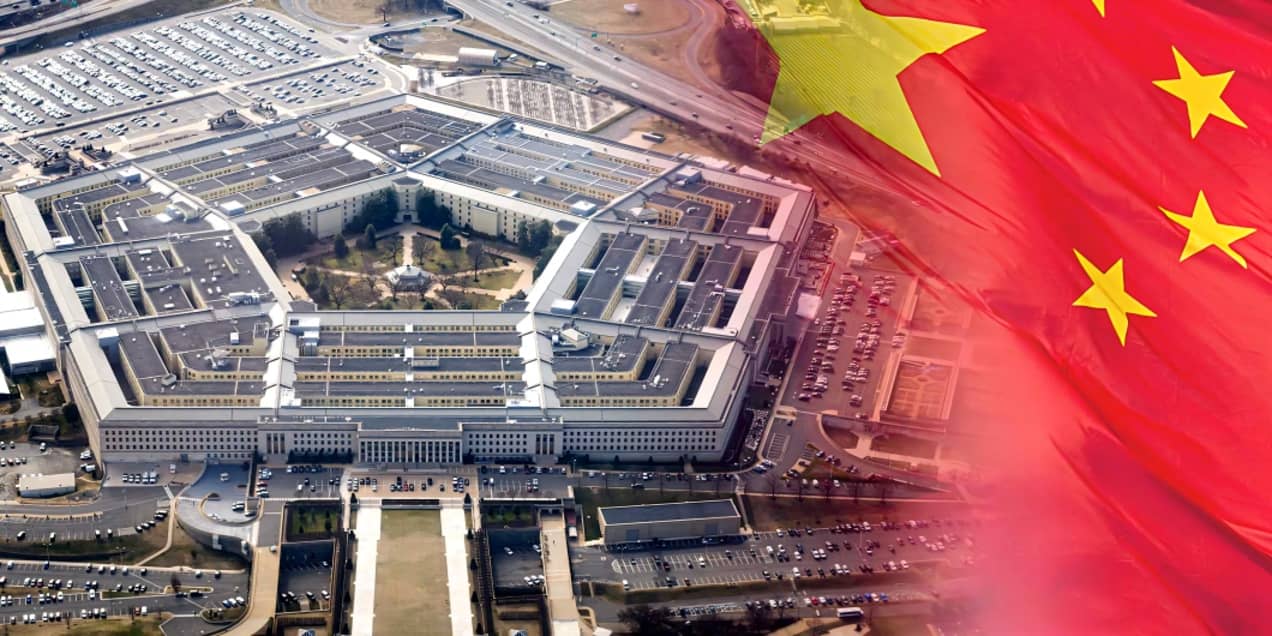
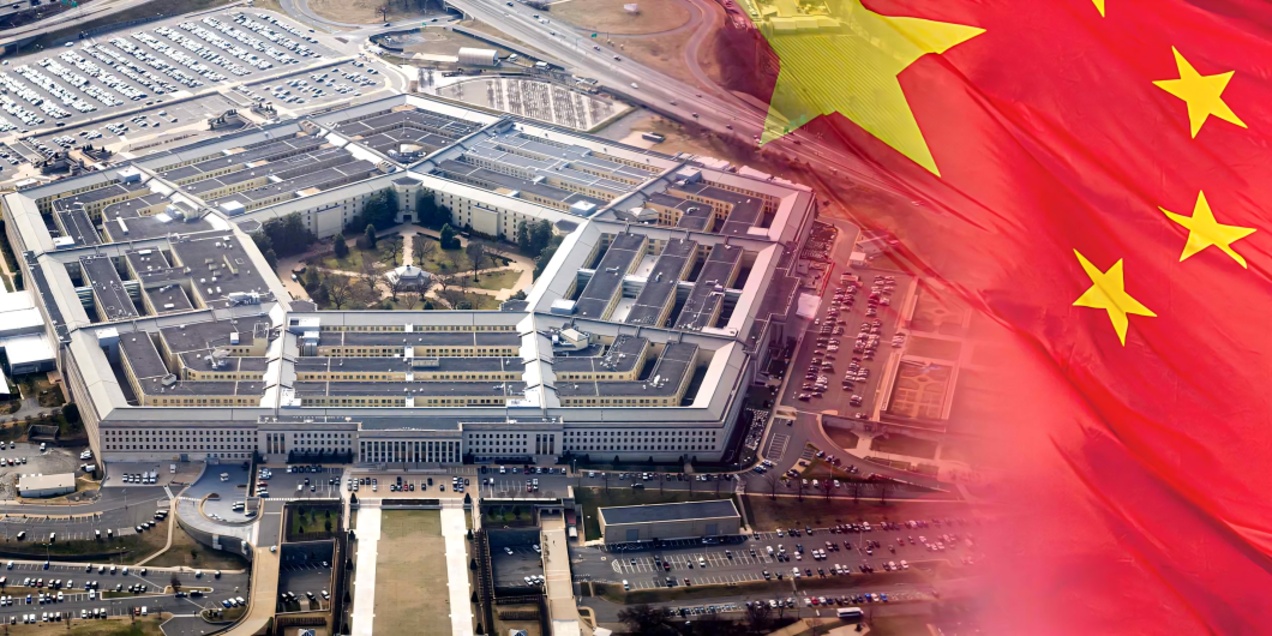
Chinese technology giant Alibaba has launched legal action against the United States government following its inclusion on a Pentagon list identifying companies that the Department of Defense believes may have connections to China's military sector. The company is challenging the designation in court, arguing that the decision lacks sufficient evidence and unfairly damages its commercial interests.
The lawsuit represents a significant development in the ongoing debate over technology, national security, and economic competition between the United States and China. Alibaba, one of the world's largest technology and e-commerce companies, maintains that it operates as a private commercial enterprise and disputes allegations suggesting military affiliations.
According to reports, the legal challenge focuses on the Pentagon's recent decision to place Alibaba on a list of companies that U.S. authorities believe may have links to China's military-industrial ecosystem. While inclusion on the list does not automatically result in direct sanctions, it can carry substantial reputational and financial consequences for affected companies.
Alibaba argues that the designation could negatively influence investor confidence, business partnerships, and international operations. The company contends that such classifications can create uncertainty among customers, suppliers, and financial institutions, potentially affecting long-term growth and market performance.
The dispute occurs against the backdrop of broader geopolitical tensions between Washington and Beijing. In recent years, both countries have implemented measures related to technology security, supply chains, semiconductor development, telecommunications infrastructure, and data governance. These issues have become central elements of the strategic relationship between the world's two largest economies.
The United States has increasingly focused on national security concerns involving advanced technologies and global supply chains. Government agencies have sought greater scrutiny of companies operating in sectors considered strategically important, including artificial intelligence, cloud computing, telecommunications, semiconductors, and data services.
China, meanwhile, has consistently opposed measures that it believes unfairly target Chinese companies. Chinese authorities and businesses have argued that commercial enterprises should be evaluated based on transparent evidence and international legal standards rather than geopolitical considerations.
Industry analysts note that the outcome of Alibaba's legal challenge could be closely watched by investors, policymakers, and technology companies around the world. The case may provide further clarity regarding the criteria used by governments when evaluating potential national security concerns involving major multinational corporations.
Alibaba remains one of China's most influential technology firms, with operations spanning e-commerce, cloud computing, digital payments, logistics, and artificial intelligence. The company's services support millions of businesses and consumers both within China and internationally.
Financial markets have increasingly monitored regulatory and geopolitical developments affecting major technology companies. Decisions involving government designations, trade restrictions, and security reviews can influence corporate valuations, market sentiment, and cross-border investment activity.
Legal experts suggest that the court proceedings may focus on the evidence supporting the Pentagon's designation and whether proper administrative procedures were followed. The outcome could have implications not only for Alibaba but also for other companies facing similar classifications in the future.
As the case moves through the legal system, attention is likely to remain focused on the intersection of technology, commerce, and national security. The dispute underscores the growing importance of regulatory oversight in the global technology sector and highlights the challenges faced by multinational companies operating in an increasingly complex geopolitical environment.


