
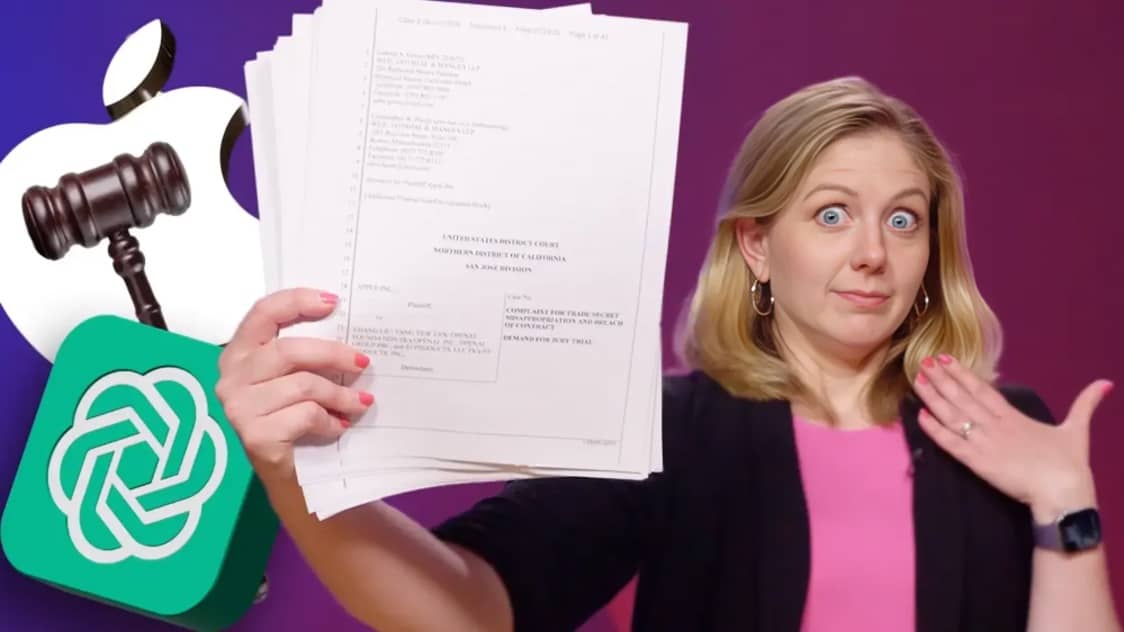

Apple and OpenAI have entered a significant legal dispute that could have broader implications for the technology and artificial intelligence industries. The lawsuit, filed by Apple in July 2026, centers on allegations that OpenAI gained access to confidential trade secrets through the recruitment of former Apple employees who allegedly possessed sensitive information related to unreleased products and proprietary technologies.
The case has attracted widespread attention because it involves two of the world's most influential technology companies, both of which are investing heavily in artificial intelligence and next generation software development.
According to Apple's legal complaint, the company alleges that certain former employees who joined OpenAI retained confidential information relating to Apple's internal research, product development, engineering processes, and unreleased technologies. Apple argues that this information constitutes protected trade secrets and that its unauthorized use could provide an unfair competitive advantage.
Trade secrets are protected under intellectual property and commercial laws in many jurisdictions. They generally include confidential business information such as product designs, manufacturing methods, algorithms, software architecture, business strategies, research data, and technical processes that provide a company with a competitive advantage.
Apple's lawsuit reportedly seeks legal remedies that may include preventing any alleged use of confidential information, protecting proprietary technology, and obtaining compensation if any legal violations are established during the proceedings.
OpenAI has not admitted any wrongdoing. The company is expected to defend itself against the allegations through the legal process. As of now, no court has ruled on the claims made in the lawsuit, and the allegations remain subject to judicial examination.
Legal experts note that lawsuits involving employee mobility and trade secrets are relatively common within the technology industry. Companies frequently recruit experienced engineers, researchers, and executives from competitors. However, while employees are generally free to change employers, they remain legally obligated to protect confidential information belonging to their former organizations.
Courts hearing trade secret disputes typically examine several important questions, including whether the disputed information qualifies as a legally protected trade secret, whether reasonable steps were taken to maintain its confidentiality, whether the information was improperly acquired or used, and whether any measurable commercial harm resulted.
The dispute also highlights increasing competition in the artificial intelligence sector. Companies are investing billions of dollars in developing advanced AI models, semiconductor technologies, cloud computing infrastructure, and consumer products that integrate artificial intelligence capabilities. As competition intensifies, protecting proprietary research and confidential engineering information has become increasingly important.
Industry analysts believe the outcome of the case could influence future hiring practices, confidentiality agreements, employee transition policies, and corporate governance standards across the technology sector. Companies may strengthen internal controls, improve documentation of confidential information, and enhance compliance procedures when employees move between competing organizations.
Legal proceedings of this nature often extend over many months or even years. During the litigation process, both parties may exchange evidence through discovery, present witness testimony, submit technical documentation, and argue legal issues before the court. In some cases, disputes are resolved through negotiated settlements before reaching trial.
Technology companies closely monitor such cases because judicial decisions relating to trade secret protection can establish important legal precedents affecting future innovation, employee recruitment, and intellectual property management.
For consumers, the lawsuit is not expected to affect the availability of existing Apple products or OpenAI services in the immediate future. The dispute primarily concerns legal issues surrounding confidential business information rather than ongoing product operations or customer services.
As the litigation progresses, additional filings, court hearings, and official statements from both companies are expected to provide greater clarity regarding the facts and legal arguments. Until the court reaches a decision or the parties reach a settlement, the allegations remain unproven.
The Apple OpenAI legal dispute underscores the growing importance of intellectual property protection in the rapidly evolving artificial intelligence industry. It also demonstrates the increasing legal challenges that technology companies face as competition for highly skilled talent and advanced innovation continues to intensify.


