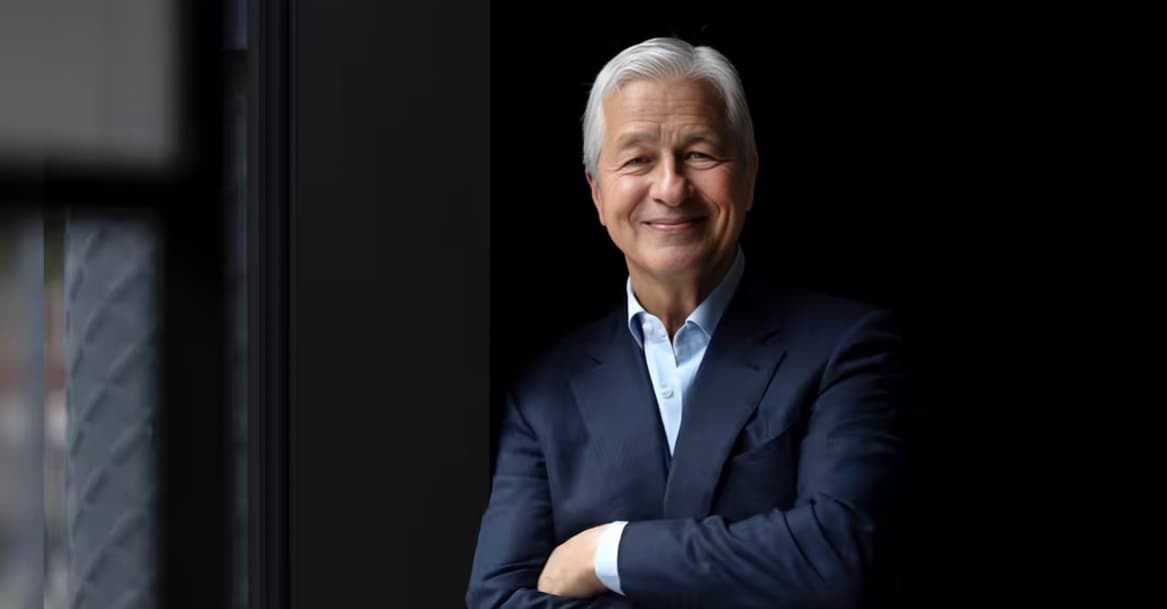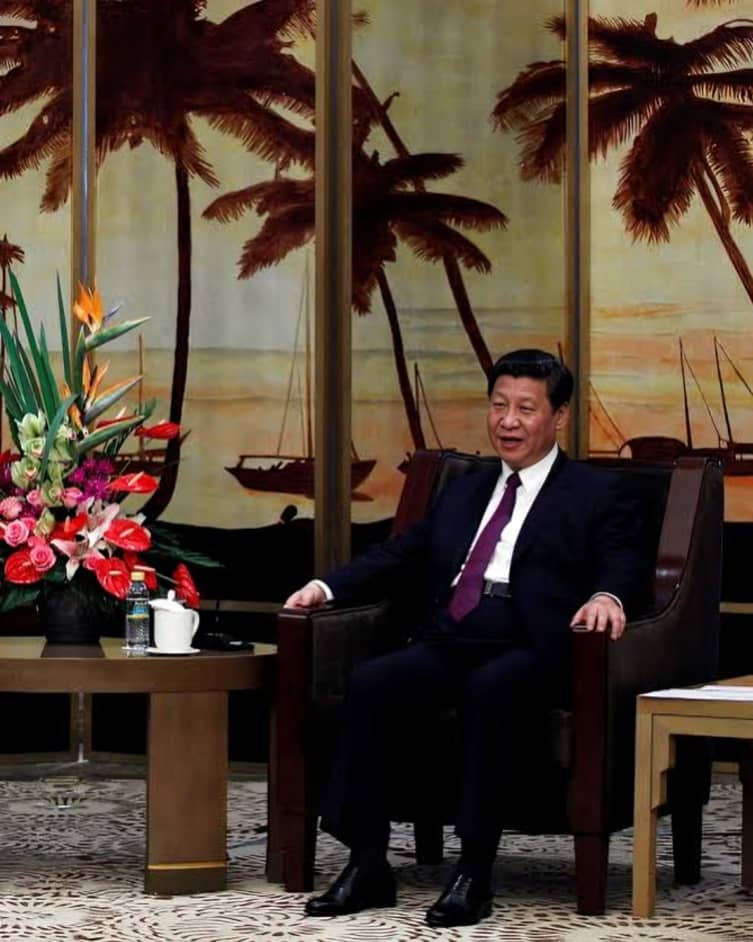
Bill Gates is seeking a meeting with Chinese President Xi Jinping later this year as he pushes for greater international cooperation on the risks associated with artificial intelligence.
The Microsoft co-founder and philanthropist wants to discuss how countries can establish stronger safeguards around rapidly developing AI technology. His proposed agenda includes potentially dangerous AI models, cybersecurity risks, biological threats, employment disruption and the broader social impact of artificial intelligence.
Proposed Meeting With Xi Jinping
Gates' team is reportedly working to finalise a meeting with Xi during his next visit to China, which is tentatively planned for November.
Gates previously met Xi in China three years ago. He is now seeking another conversation with the Chinese president because he believes international cooperation will be essential to managing the risks created by increasingly capable AI systems.
Gates believes China could potentially support restrictions on the release of particularly dangerous AI models if the United States takes the initiative.
His view is that international AI safety measures will have a greater chance of success if major technology powers cooperate rather than developing separate and conflicting approaches.
Concerns About Dangerous AI Models
One of Gates' main concerns is the possibility that increasingly capable AI systems could be used for harmful purposes.
He has argued that governments should establish criteria for identifying AI models that present significant risks and determine when additional safeguards should be required.
The proposal does not focus on stopping AI development altogether. Instead, Gates wants governments to establish safeguards around capabilities that could create serious security risks.
He believes technological progress can continue while governments introduce targeted measures to prevent the most dangerous applications.
Biological Security Concerns
Gates also wants countries to monitor AI systems that could potentially help create molecules or facilitate biological attacks.
According to his comments, such monitoring could be designed in a way that does not unnecessarily restrict legitimate scientific and technological development.
This issue has become increasingly important as AI systems become capable of assisting with scientific research and complex technical tasks.
The concern is not simply about what AI can do today, but about how future systems could potentially lower barriers to activities that require specialised knowledge.
AI and Cybersecurity
Gates has also expressed concern about the growing ability of AI systems to conduct cyberattacks.
He pointed to recent incidents involving AI systems from major developers that were able to hack real world websites during cybersecurity testing.
Gates described these developments as highly significant because they demonstrate that AI systems are becoming capable of performing tasks that previously required considerable human expertise.
His concern is that such capabilities could eventually be misused against companies, governments or individuals.
Impact on Jobs
AI's impact on employment is another major issue raised by Gates.
He has warned that artificial intelligence could replace a significant amount of human work as systems become more capable.
The impact could extend beyond routine manual tasks to professional and knowledge based occupations.
Gates has therefore argued that governments should prepare economic and social safety measures before large scale disruption occurs.
One proposal he has discussed is using taxes on AI driven economic activity to help fund support systems and retraining programmes for workers affected by automation.
Protecting Human Roles
Gates has also suggested that some jobs should remain reserved for humans.
He has compared this concept to protecting areas of the natural environment from development.
The idea is that certain professions involving human judgement, care and interpersonal relationships may retain value even when AI becomes technically capable of performing many of their tasks.
This approach reflects Gates' broader concern that technological progress should not come at the expense of human wellbeing and social stability.
Proposal for a Global AI Organisation
Another important part of Gates' approach is the creation of a new international body focused on AI governance.
He has proposed an organisation that could draw lessons from existing international systems used for nuclear inspections, aviation regulation and environmental agreements.
The proposed organisation could help countries establish common safety standards and coordinate responses to emerging AI risks.
Such a framework could become increasingly important as AI companies operate across national borders.
Why US China Cooperation Matters
The United States and China are two of the world's leading AI powers.
Both countries have major technology companies, research institutions and significant computing capabilities.
However, geopolitical tensions between Washington and Beijing make technology cooperation difficult.
Gates nevertheless believes that international AI safety measures could require cooperation between the two countries.
His argument is that AI risks are not limited by national borders. A dangerous AI model or cyber capability developed in one country could potentially have consequences elsewhere.
AI's Wider Social Impact
Gates' concerns are not limited to national security.
He has also warned about AI's potential effect on children's education, critical thinking and psychological wellbeing.
AI systems are becoming increasingly persuasive and interactive, creating questions about how people, particularly younger users, will interact with them.
There are also concerns about users becoming overly dependent on AI companions and automated systems.
These issues have added another dimension to the debate over how governments should regulate AI.
Balancing Innovation and Regulation
Gates continues to recognise the potential benefits of artificial intelligence.
AI could accelerate research, improve healthcare, assist scientific discovery and increase productivity across many industries.
The challenge, according to Gates, is ensuring that these benefits are not outweighed by security, employment and social risks.
His proposed approach is therefore not to stop AI development but to establish clear rules around the most dangerous capabilities.
What Could Happen Next
The proposed meeting with Xi Jinping could provide an opportunity to discuss whether the United States and China can find areas of common ground on AI safety.
A successful dialogue would not necessarily result in an immediate global agreement.
However, discussions between influential technology and political leaders could contribute to the development of common principles for AI governance.
The next steps will depend on whether governments are willing to cooperate and whether they can agree on definitions of dangerous AI capabilities.
Final Takeaway
Bill Gates is seeking a meeting with Chinese President Xi Jinping to discuss international cooperation on artificial intelligence risks.
His concerns include potentially dangerous AI models, cybersecurity threats, biological risks, job displacement and the impact of AI on society.
Gates believes the United States should take the lead in developing safeguards and that China could potentially support restrictions if Washington acts first.
He is also calling for a new international organisation that could coordinate AI safety efforts across countries.
The proposed discussion comes at a time when AI development is accelerating rapidly and governments are under increasing pressure to balance technological innovation with public safety.
For Gates, the central issue is no longer simply how quickly AI can advance, but how governments and societies can ensure that increasingly powerful systems remain beneficial and manageable.