China has stepped up its criticism of US artificial intelligence company Anthropic as competition between Beijing and Washington over advanced AI technology continues to intensify.
The latest criticism focuses on the role of American AI companies in shaping international rules for artificial intelligence. A Chinese state-linked commentary accused Anthropic of trying to influence global AI governance and used the phrase “American disease” to describe what it portrayed as an attempt by the company to impose its preferred standards on other countries.
The remarks come at a time when AI has become an increasingly important part of the broader technology and strategic competition between China and the United States.
China has argued that American AI companies should not be allowed to determine global standards on their own. Beijing has instead called for greater scrutiny of the safety practices, disclosure policies and auditing procedures followed by US based AI developers.
According to recent reports, Chinese officials and state-linked commentators have indicated that US companies should be subject to comparable safety, disclosure and audit requirements before more substantive discussions take place.
The dispute reflects a broader disagreement over who should influence the development of international AI governance.
Artificial intelligence is rapidly becoming an important technology in areas such as education, healthcare, finance, cybersecurity, scientific research and national security. As AI systems become more capable, governments are increasingly debating how they should be tested, monitored and regulated.
Anthropic, the company behind the Claude family of AI models, has positioned itself as a company focused strongly on AI safety. The company has also been involved in debates with the US government over how advanced AI systems should be used for national security and military purposes.
The company recently resumed external cybersecurity testing of its AI models after implementing additional safety measures following security incidents involving AI systems during testing.
At the same time, Anthropic has been involved in an increasingly complicated relationship with US authorities. A US federal judge recently blocked the Pentagon from designating Anthropic as a supply chain risk, finding that the government's action was unlawful.
These developments have added another layer to the international discussion surrounding AI safety.
China's criticism of Anthropic also comes after the US company previously accused Chinese AI firms of using large scale distillation techniques to extract capabilities from its Claude models. Anthropic alleged that Chinese companies had used its systems to obtain information that could help develop competing AI models.
China has rejected various US accusations related to technology competition, while Chinese companies continue to develop increasingly capable AI systems.
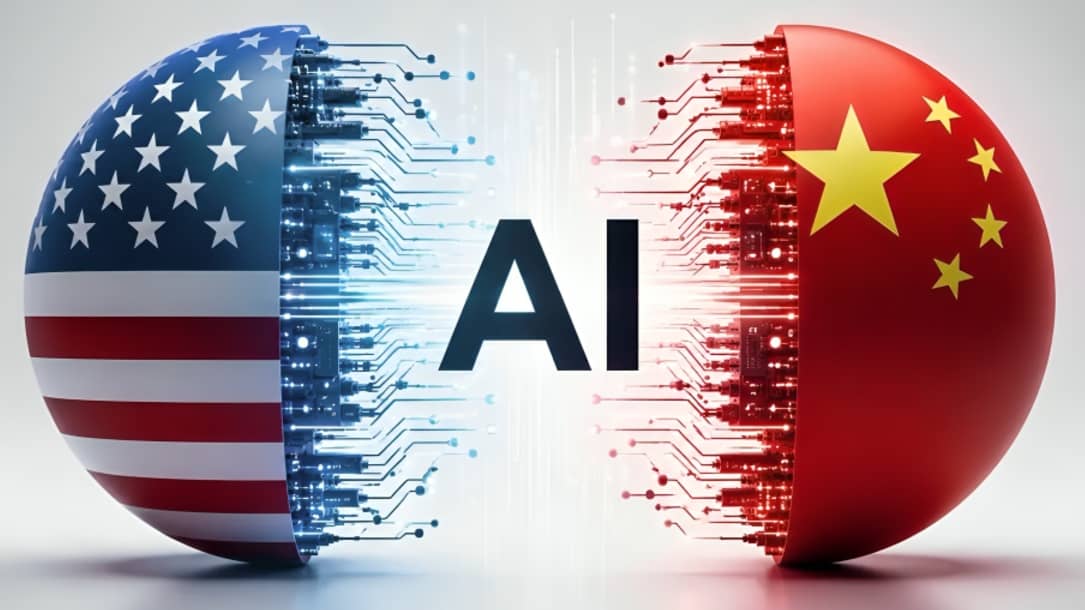
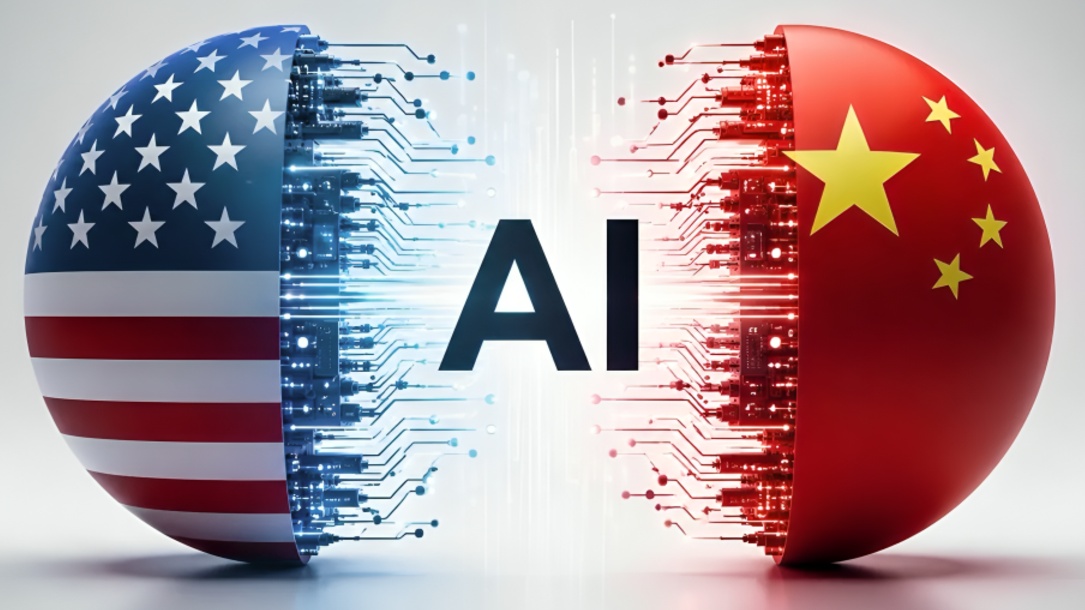
The competition has created concerns about whether AI development could become divided into separate technological ecosystems led by different countries.
One of the major questions is whether international AI standards should be established through broad multilateral cooperation or whether individual countries and technology companies should have greater control over the process.
The latest dispute suggests that Beijing wants any future discussions on AI governance to include stronger requirements for American companies.
Safety testing is one of the areas at the centre of the disagreement. Advanced AI models can perform increasingly complex tasks, including coding, research, data analysis and cybersecurity operations. These capabilities can provide significant benefits but can also create risks if systems are misused or behave unexpectedly.
AI auditing is therefore becoming an important part of regulatory discussions. Audits can potentially examine how models are trained, how they perform under different conditions and whether developers have adequate safeguards.
Disclosure requirements are another area of concern. Governments may seek greater information about how AI models are developed, tested and deployed, particularly when the systems have significant economic or national security implications.
However, companies and governments also face challenges in determining how much technical information can be disclosed without exposing proprietary technology or creating security risks.
The China-US disagreement therefore involves more than competition between individual AI companies. It is also connected to questions about technological leadership, national security, economic influence and international regulation.
The upcoming discussions between Chinese and US leaders could provide an opportunity to address some of these concerns. AI safety has increasingly become part of the broader diplomatic conversation between the two countries. Analysts have argued that both sides could benefit from technical dialogue focused on shared risks such as cybersecurity, model reliability and potential misuse.
At the same time, Washington and Beijing continue to disagree on several major technology issues, including semiconductor controls, access to advanced computing infrastructure and the development of frontier AI systems.
The United States has also been debating the appropriate level of AI regulation. Recent US policy discussions have included proposals favouring a relatively light regulatory approach intended to encourage technological growth and maintain American competitiveness.
China, meanwhile, has developed its own regulatory framework for AI and digital technologies.
The differences between the two approaches could make international cooperation more difficult.
For technology companies such as Anthropic, the changing regulatory environment means that AI safety policies are increasingly being examined not only by national governments but also by international institutions.
The latest criticism from China does not establish that Anthropic has violated any international rule. The comments represent Beijing's position in an ongoing debate over AI governance and the role of US technology companies.
The broader issue is whether major AI developers should play a leading role in determining safety standards or whether governments and international organisations should establish those standards.
As artificial intelligence becomes more influential, this debate is likely to continue.
For users and businesses, international disagreements over AI regulation could eventually affect how AI products are developed, deployed and made available in different markets.
Companies operating globally may need to comply with different safety, transparency and auditing requirements depending on the country in which their services are offered.
The China-Anthropic dispute therefore represents one part of a much larger global discussion.
The United States and China remain two of the world's leading AI powers, and their competition is likely to influence the direction of artificial intelligence for years to come.
Whether the two countries can establish practical mechanisms for cooperation on AI safety while continuing to compete technologically remains an important question.
For now, China's latest criticism of Anthropic highlights the growing importance of AI governance in the wider China-US relationship and demonstrates that debates over artificial intelligence are increasingly connected to global technology policy and strategic competition.