

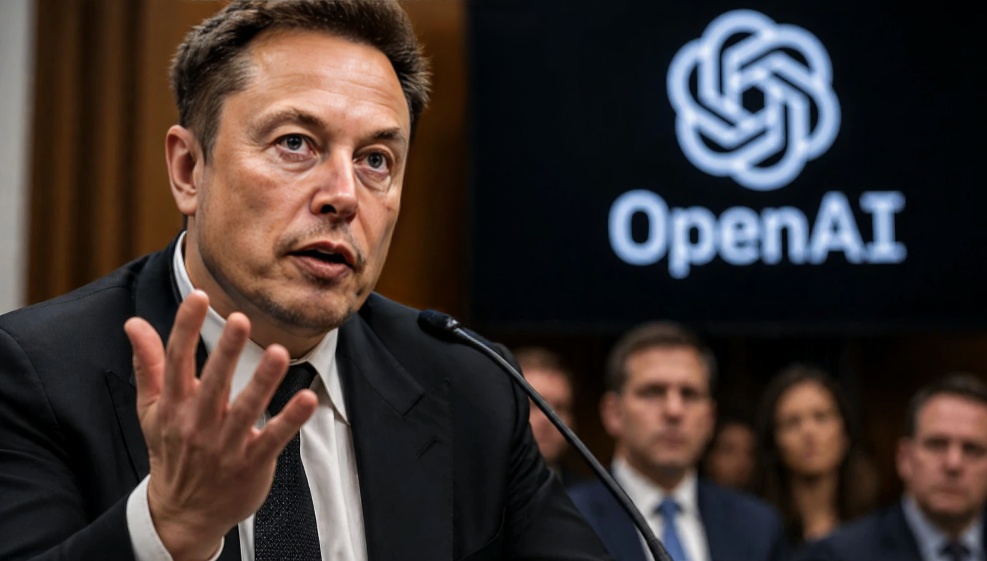
New details have emerged from the ongoing legal proceedings involving Elon Musk and OpenAI, following testimony given by Shivon Zilis. The case revolves around allegations and counter allegations concerning the early relationship between Musk, OpenAI, and the development of artificial intelligence projects that later evolved into separate corporate paths.
According to court testimony, Shivon Zilis stated that Elon Musk had once considered the possibility of integrating OpenAI into Tesla. This revelation adds a new dimension to the long standing public debate about Musk’s early involvement in OpenAI and his later criticisms of the organization’s direction as it transitioned into a major commercial artificial intelligence company.
Zilis, who has been associated with Musk in various professional capacities, also denied claims that she acted as his proxy in matters related to OpenAI. Her testimony was aimed at addressing questions raised during the lawsuit regarding internal communications, decision making roles, and the nature of early discussions involving AI development strategies.
OpenAI, now one of the leading artificial intelligence companies globally, was originally founded as a research focused organization with a mission to develop safe and broadly beneficial AI systems. Over time, the company evolved into a hybrid structure involving commercial partnerships and large scale investment, particularly after its collaboration with Microsoft.
Tesla, on the other hand, has been heavily involved in artificial intelligence through its autonomous driving technology and robotics initiatives. Elon Musk has often spoken publicly about AI development and its potential risks and opportunities, making the reported early consideration of a Tesla OpenAI integration a significant point of interest in the case.
The lawsuit reportedly examines how OpenAI transitioned from a non profit research focused initiative into a commercially driven organization. Musk has previously expressed concerns about this shift, arguing that the company moved away from its original mission. OpenAI has defended its structure, stating that commercial funding is necessary to support large scale AI development and infrastructure requirements.
The testimony from Zilis provides additional context to the early interactions between key individuals involved in the AI ecosystem. While she denied acting on behalf of Musk in relation to OpenAI, her statements highlighted discussions that took place during the formative years of the organization.
Legal experts suggest that the case could have broader implications for how AI companies are structured and how early agreements and intentions are interpreted in fast evolving technology sectors. The outcome may also influence future collaborations between private technology companies and research driven AI organisations.
The dispute also reflects the growing tension in the global artificial intelligence industry, where companies are competing for leadership in developing advanced AI systems while also facing increasing scrutiny over governance, ethics, and commercialisation strategies.
As the lawsuit continues, further testimonies and evidence are expected to shed light on the early decisions that shaped one of the most influential artificial intelligence companies in the world. The case remains closely watched due to the involvement of high profile figures and the broader implications for the future of AI development.


