Hyundai Motor is exploring a future in which its dealerships could sell more than cars. The South Korean automaker is considering using its established dealership network to retail humanoid and quadruped robots developed by Boston Dynamics.
The possibility was discussed by Hyundai Motor CEO José Muñoz during the company’s recent investor event. If the plan moves forward, customers could eventually visit a Hyundai dealership to see and purchase advanced robots alongside conventional vehicles. However, Hyundai has not announced a confirmed launch date or finalised the details of such a retail programme.
Hyundai’s Robotics Expansion
The potential dealership strategy is part of Hyundai Motor Group’s larger push into robotics and artificial intelligence. Hyundai has been increasing its focus on robotics since acquiring a controlling interest in Boston Dynamics in 2021.
Hyundai Motor Group completed the acquisition of an 80 percent stake in Boston Dynamics from SoftBank in 2021. The transaction valued Boston Dynamics at approximately 1.1 billion dollars. The remaining 20 percent stake was retained by SoftBank through an affiliate.
Since the acquisition, Hyundai has been working to combine Boston Dynamics’ robotics technology with its manufacturing capabilities and global business infrastructure.
Boston Dynamics Robots
Boston Dynamics is known for developing advanced mobile robots designed for industrial and commercial applications.
One of its best-known products is Spot, a four-legged robotic platform designed for tasks such as inspection, monitoring and maintenance. The company also develops Stretch, a robot designed to handle cargo and assist with warehouse operations.
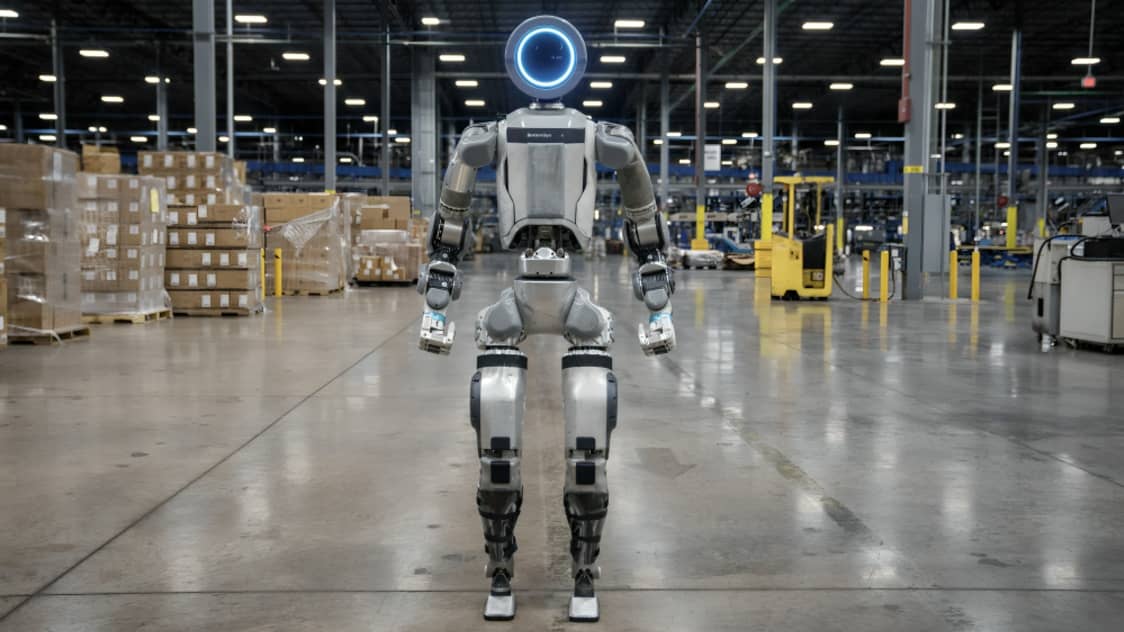
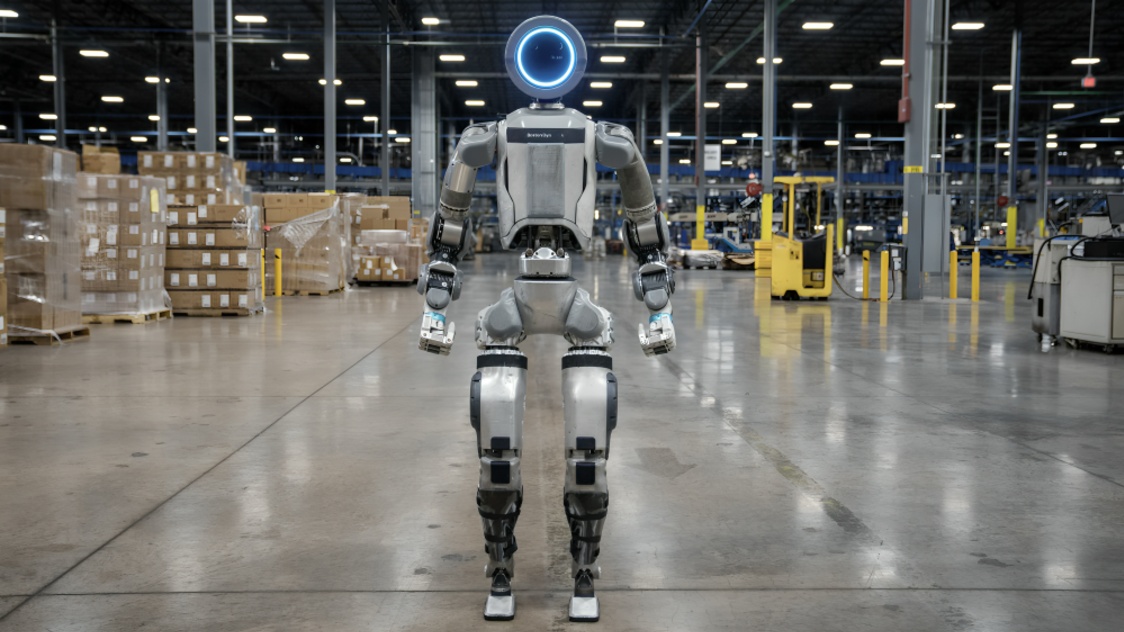
The company is also developing Atlas, a humanoid robot designed to perform complex physical tasks in industrial environments.
Hyundai Motor Group has been testing and developing robotics applications in its manufacturing operations as part of its broader automation strategy.
Could Customers Buy Robots at Hyundai Dealerships
The proposed dealership model could represent a significant change in how advanced robots reach customers.
Automobile dealerships already provide established locations, sales teams, financing services and after-sales support. Hyundai could potentially use this existing infrastructure to introduce robotics products to a wider customer base.
However, it is not yet clear whether the proposed robot sales would target individual consumers, businesses or both. Hyundai has also not announced pricing or confirmed which Boston Dynamics products would be available through dealerships.
Therefore, the proposal should currently be viewed as a potential future business model rather than a confirmed retail launch.
Financing Could Be Part of the Plan
Another interesting aspect of Hyundai’s proposal is the possibility of financing robotics purchases.
Hyundai Capital, the group's financial services arm, is reportedly evaluating whether it could provide financing options for robots similar to the financing products currently offered for vehicle purchases.
If introduced, such financing could make expensive robotics technology more accessible to businesses and potentially individual customers.
The financial model could become particularly important if humanoid robots eventually move beyond specialised industrial applications and enter commercial or household markets.
Atlas Humanoid Robot
Atlas is at the centre of Hyundai Motor Group’s humanoid robotics strategy.
The company has outlined plans to use its manufacturing infrastructure to train and test humanoid robots before expanding their applications.
Hyundai Motor Group has said Atlas robots will initially be trained in manufacturing environments. The objective is to improve their ability to safely perform real-world tasks and eventually expand robotics applications across different industries.
Hyundai has also been developing an end-to-end robotics value chain covering components, manufacturing, software and services.
Robots in Hyundai Factories
Hyundai's robotics strategy is not limited to potential consumer sales.
The company intends to integrate artificial intelligence and robotics into its own manufacturing facilities. Robots could be used for repetitive, hazardous or physically demanding tasks, helping improve workplace safety and production efficiency.
Hyundai Motor Group has described this approach as human-centred artificial intelligence robotics, with robots designed to work alongside people rather than simply replace human workers.
From Cars to Robotics
The possible dealership plan highlights how traditional automobile manufacturers are expanding beyond vehicle production.
The automotive industry is increasingly investing in artificial intelligence, autonomous driving, robotics and other emerging technologies. Hyundai is positioning robotics as part of a broader transformation from an automobile manufacturer into a wider mobility and technology company.
The group has said its robotics strategy could eventually extend into areas including manufacturing, logistics, construction, energy and facility management.
Artificial Intelligence and Robotics
Hyundai's robotics strategy also involves artificial intelligence partnerships.
Boston Dynamics has partnered with Google DeepMind to explore the integration of advanced AI models with humanoid robots. The objective is to give robots improved capabilities for understanding and responding to complex real-world environments.
Hyundai Motor Group has described the combination of advanced robotic hardware and AI as an important part of its long-term robotics strategy.
What This Could Mean for Consumers
If Hyundai eventually introduces robot sales through dealerships, the move could make advanced robotics more visible to ordinary consumers.
Customers who currently associate Hyundai primarily with cars could potentially encounter humanoid robots and robotic assistants in the same retail environment.
However, several challenges remain. Humanoid robots are still an emerging technology, and questions surrounding price, reliability, safety, maintenance and practical applications remain important.
For this reason, widespread consumer adoption is likely to depend on technological improvements and falling production costs.
Hyundai’s Broader Business Strategy
The robotics initiative comes as Hyundai Motor Group works to expand its business into several new technology areas.
The company has announced plans to increase production, expand electrified vehicle offerings and develop new mobility technologies. Robotics is increasingly becoming another important part of this long-term strategy.
The company has also announced plans to begin producing Atlas humanoid robots in the United States by 2028, reinforcing its intention to move robotics from research and testing toward large-scale deployment.
No Confirmed Retail Launch Yet
Despite the growing interest, Hyundai has not confirmed that humanoid robots will definitely be available for purchase at dealerships.
The company's CEO has discussed the possibility, and Hyundai is examining how its existing retail and financing infrastructure could support robotics.
The final decision could depend on the maturity of the technology, production capacity, pricing and demand.
For now, Hyundai's confirmed strategy is focused on developing and commercialising robotics technology, while dealership sales remain a potential future direction.
Conclusion
Hyundai Motor's consideration of selling Boston Dynamics robots through its car dealership network signals how quickly the automotive industry is expanding into robotics and artificial intelligence.
The proposal could eventually transform Hyundai dealerships into technology centres where customers can explore cars, humanoid robots and other advanced mobility products.
However, robot sales through dealerships are not yet a confirmed commercial launch. Hyundai is still evaluating the idea, including potential financing through Hyundai Capital.
With Boston Dynamics, Atlas and its wider AI robotics strategy, Hyundai is clearly preparing for a future in which robots could become an important part of its business alongside automobiles.