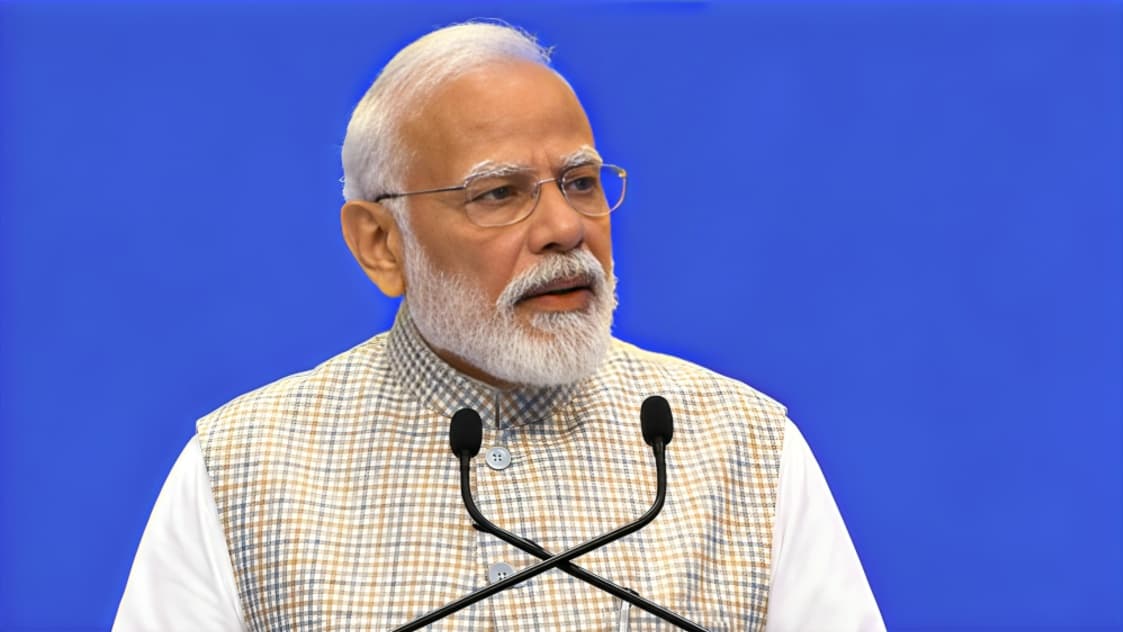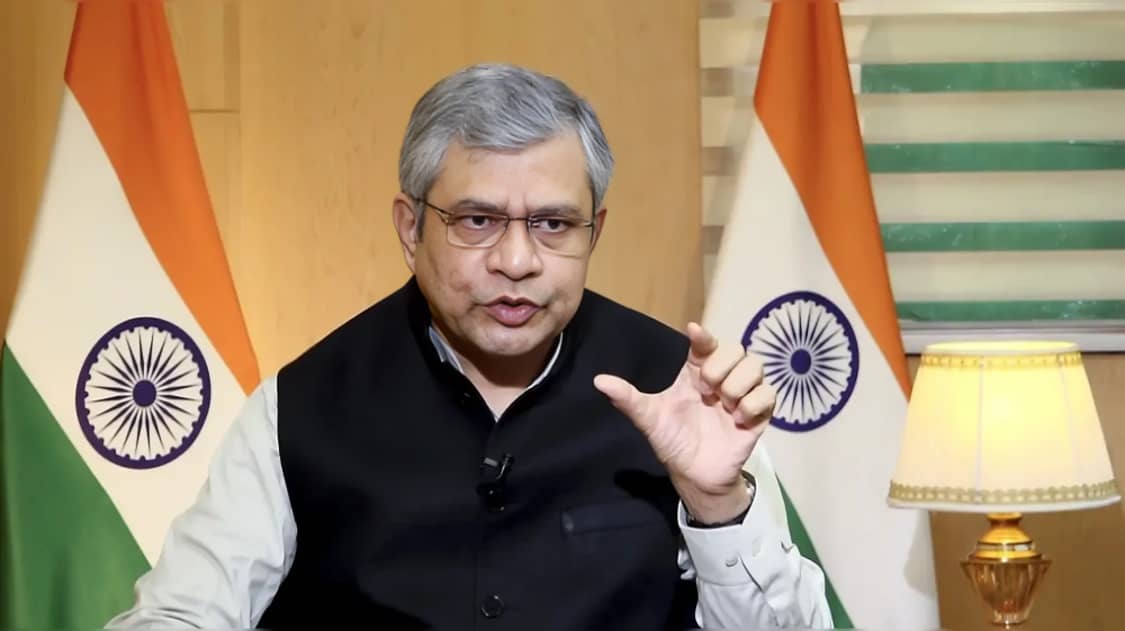
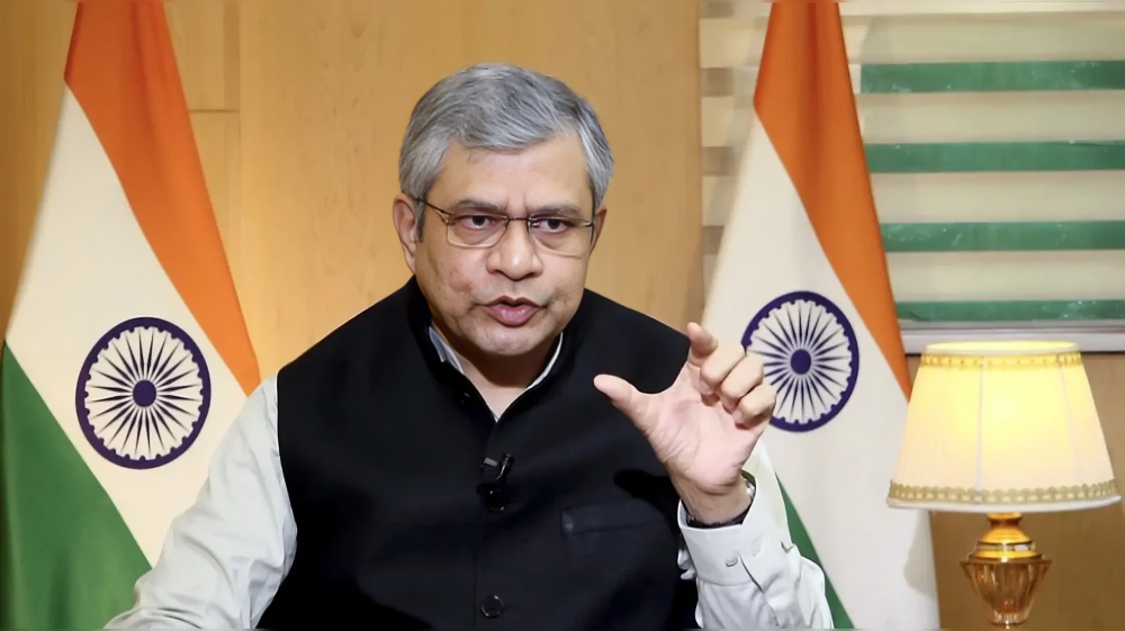
The Indian government is preparing to take a significant step towards developing a broader regulatory framework for artificial intelligence. Union Minister for Electronics and Information Technology Ashwini Vaishnaw has said that the government plans to release a consultation paper on AI regulation within a month.
The proposed document will focus primarily on AI safety and is expected to seek views from stakeholders on how artificial intelligence should be governed in India. The announcement marks an important development in the government’s approach to AI regulation as the technology becomes increasingly integrated into businesses, public services and everyday digital applications.
Vaishnaw made the announcement on October 8, 2026, while speaking at an event connected with the release of the World Development Report 2026 on artificial intelligence. He said the Department of Electronics and Information Technology would be asked to prepare a regulation focused consultation paper.
According to the minister, safety related to AI use will be one of the most important areas examined in the consultation process. The government wants to understand the risks associated with increasingly capable AI systems while also considering how the technology can continue to support innovation and economic activity.
One of the major concerns identified by the government is the growing quality of deepfakes. AI tools can now create increasingly realistic images, videos and audio, making it more difficult for people to distinguish manipulated material from authentic content.
Vaishnaw said deepfakes could create significant problems in society because people may believe false or manipulated information. The issue has become particularly important as generative AI tools become easier for individuals and organisations to access.
The proposed consultation paper is expected to consider ways to address such risks while examining the wider implications of AI generated content. The government is also looking at how technology companies and other industry participants can contribute to reducing potential harms.
A human first approach will be another central part of the proposed framework. Vaishnaw said that people should remain at the centre of the changes brought about by artificial intelligence. The government is expected to examine how AI can be introduced without leaving sections of society behind.
Skilling is therefore likely to form another part of the consultation. As AI changes the way many industries operate, workers may need new technical and professional skills to adapt to changing job requirements. The government wants the benefits of AI adoption to reach different sections of society rather than being concentrated among technologically advanced businesses or highly skilled professionals.
The minister has also highlighted the importance of making AI accessible to startups, researchers, students and academic institutions. According to the government, wider use of AI in areas such as agriculture, healthcare and education could provide productivity and service delivery benefits.
Another important element under consideration is the concept of a techno legal approach to AI regulation. Vaishnaw said that artificial intelligence cannot be effectively governed through legislation alone and that technological safeguards will also be required.
This approach could involve a combination of legal requirements, technical standards, safety measures, industry practices and monitoring mechanisms. The precise structure will depend on the consultation process and the feedback received from stakeholders.
The government has also indicated that industry will have a significant responsibility in managing AI related risks. Vaishnaw said the industry would need to take primary responsibility for issues such as cybersecurity, safety, user harm and deepfakes.
Cybersecurity is becoming increasingly important as AI systems become more capable. Advanced AI models can interact with software, process large quantities of information and, in some cases, perform actions through connected tools. These capabilities can provide benefits but may also create new risks if systems are misused or inadequately protected.
The consultation process could therefore examine how developers and companies should assess and manage risks associated with AI systems. It could also consider how responsibilities should be divided between technology developers, platforms, users and other organisations deploying AI.
The potential psychological and social impact of AI is another area that has been highlighted by the government. Vaishnaw referred to concerns surrounding psychological harm and the ways AI systems could affect users.
This issue has become part of the broader global discussion about responsible AI development. As people increasingly interact with AI systems for information, communication, education and other activities, policymakers are examining questions related to user safety, reliability and responsible deployment.
The consultation paper is expected to provide an opportunity for technology companies, researchers, industry groups, civil society organisations and other stakeholders to provide their views. Their feedback could influence the eventual regulatory approach adopted by India.
The government has previously worked on a principle based approach to AI governance through initiatives under the IndiaAI programme. These efforts have included discussions around responsible AI, safety, deepfake detection, privacy and other emerging challenges.
The latest announcement indicates that the government is now considering a more structured regulatory process. However, the consultation paper itself will not necessarily constitute the final AI law or regulation. It is expected to serve as a basis for gathering views and developing the framework further.
The distinction is important because the final regulatory structure could change after consultations. The government will need to consider the interests of technology companies, startups, researchers, consumers and public institutions while determining the appropriate level of regulation.
India is also seeking to balance AI innovation with safety. Artificial intelligence is being adopted across sectors ranging from financial services and healthcare to manufacturing, education, agriculture and customer support. Excessive regulatory restrictions could potentially affect innovation, while insufficient safeguards could increase risks for users and businesses.
The consultation process is therefore expected to examine how India can support the development and adoption of AI while establishing safeguards against misuse.
The government’s focus on skilling is also connected to this balance. AI is expected to change employment patterns across several industries, creating demand for new skills while potentially reducing demand for some existing tasks. Preparing workers and students for these changes could become an important component of India’s AI policy.
Vaishnaw has also stressed the importance of ensuring that AI benefits reach different sections of society. This includes people and communities that may have traditionally had limited access to advanced technology. Government policy could therefore consider accessibility, affordability and digital skills alongside safety and regulation.
The consultation paper may also lead to further discussions around AI generated content, accountability and responsibility. Deepfakes are one example where questions can arise about who should be responsible when manipulated content causes harm.
As AI systems become more capable, policymakers are also examining questions surrounding autonomous or agentic AI systems. These systems can potentially perform multiple steps towards achieving a goal rather than simply generating a response to a user prompt. Their ability to interact with external tools raises additional questions around safety, permissions and accountability.
However, the government has not yet announced the final details of the proposed regulatory framework. The consultation paper will be an important next step in determining the areas that require additional regulation and the responsibilities that should be assigned to different stakeholders.
For consumers, the proposed framework could eventually affect how AI generated content is identified, how AI services handle user data and what safeguards companies must provide. For businesses, future rules could establish requirements for risk assessment, transparency, cybersecurity and responsible AI deployment.
For technology developers, the regulatory process could provide greater clarity about the expectations they will need to meet when developing or deploying AI systems in India.
The government is expected to use feedback from the consultation process before moving towards a formal regulatory framework. The timeline and structure of any final legislation or regulations will depend on the outcome of these discussions.
Overall, India’s proposed AI consultation paper represents a move towards a more formal discussion on regulating artificial intelligence. The government is focusing on safety, deepfakes, cybersecurity, human impact, skilling and inclusion while also seeking greater responsibility from the technology industry.
The next month is therefore expected to be important for India’s AI policy. Once the consultation paper is released, stakeholders will have an opportunity to examine the proposed approach and provide feedback before the government takes further steps towards AI regulation.