La Trobe University researchers in Australia are exploring a new way to prepare trainee teachers for one of the more challenging parts of the profession: communicating with parents during difficult situations.
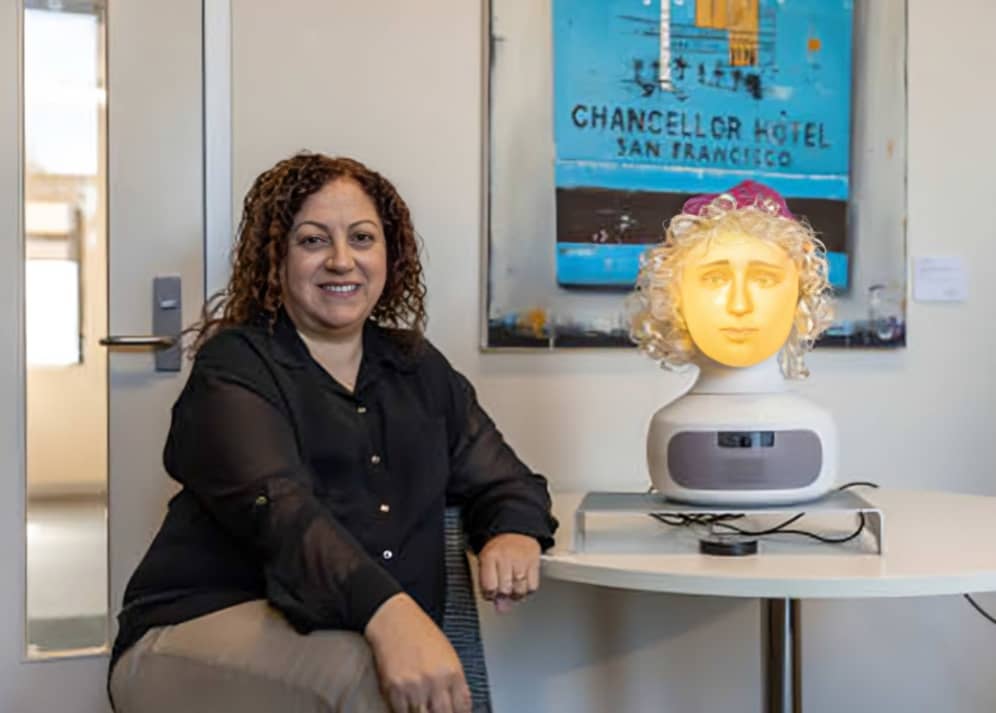
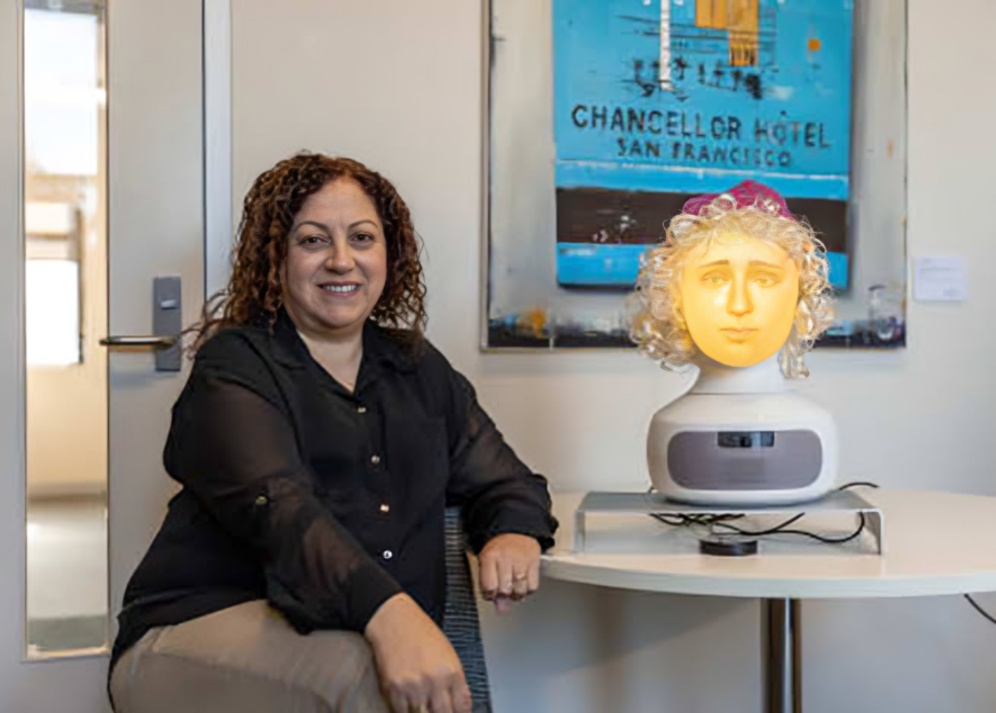
The university has developed an artificial intelligence powered talking robot called Fletch, which can take on the role of a concerned, frustrated or angry parent. The technology allows trainee teachers to practise conversations that could otherwise be difficult to recreate in a traditional teacher training environment.
Instead of simply following a fixed script, Fletch can respond according to what the trainee teacher says. This makes the interaction more dynamic and gives future educators an opportunity to practise responding to different reactions during a conversation.
How Fletch works
Fletch is designed to simulate conversations between teachers and parents. During a training session, the robot can behave like a parent who is unhappy or concerned about an issue involving a child.
The trainee teacher then has to respond to the simulated situation. Depending on the response, the robot can change its reaction, creating a conversation that is closer to a real interaction than a predetermined role play.
This approach can expose trainee teachers to a variety of possible responses and help them think about how they communicate under pressure.
Preparing teachers for difficult conversations
Teachers regularly communicate with parents about academic performance, classroom behaviour, attendance and other issues involving students. Some conversations can become emotionally challenging, particularly when parents are worried or dissatisfied.
For trainee teachers, handling such conversations for the first time can be difficult. Fletch provides an opportunity to practise these situations before educators enter the classroom as professionals.
The simulated environment also allows trainees to make mistakes and try different approaches without the consequences that could arise during an actual conversation with a parent.
Focus on communication skills
The technology is intended not simply to teach teachers what to say but to help them develop communication and conflict resolution skills.
A teacher may need to listen carefully, understand a parent's concerns, explain a situation clearly and maintain a professional approach even when the conversation becomes tense.
By repeatedly practising these situations, trainee teachers can gain experience in managing challenging discussions and responding appropriately to different reactions.
Artificial intelligence in teacher education
The use of Fletch reflects the growing interest in artificial intelligence and interactive technology as tools for professional education.
AI based simulations can create situations that would otherwise require another person to play a particular role. They can also provide opportunities for repeated practice and allow trainees to experience different versions of the same scenario.
La Trobe University has a broader focus on preparing educators for real world professional situations. Its Department of Professional Practice and Wellbeing says its work aims to strengthen graduate readiness, workforce development and educator wellbeing.
Why realistic practice matters
Traditional teacher training often combines academic learning with classroom placements. However, some professional situations are difficult to reproduce consistently during training.
A conversation with an angry or concerned parent is one example. The outcome can depend on the parent's personality, the issue being discussed and the way the teacher responds.
An interactive robot can provide a controlled way to recreate such situations. Trainees can practise their communication skills repeatedly while receiving exposure to different conversational responses.
A controlled learning environment
One of the potential advantages of Fletch is that it provides a safe environment for practice.
A trainee teacher can experiment with different ways of responding without directly affecting a real parent or student. If a particular response does not work well, the trainee can reflect on the interaction and try another approach.
This type of practice may help future teachers become more comfortable with conversations that require patience, empathy and professional judgement.
Beyond fixed role play
Traditional role play can be useful in teacher education, but it often depends on another person following a particular scenario.
Fletch is designed to make the interaction less predictable. Its responses can change according to the trainee teacher's answers, making the conversation more flexible.
According to reports about the project, this ability is intended to make the practice feel more like a real conversation rather than a rehearsed dialogue.
Technology does not replace teachers
The purpose of Fletch is not to replace human teachers or professional mentors. Instead, it is being used as a training tool to supplement existing teacher education.
Human educators remain important for helping trainees understand professional standards, classroom relationships, communication strategies and the broader context behind difficult situations.
The robot can provide repeated practice, while teachers and mentors can help trainees evaluate their responses and improve their approach.
Potential benefits for future educators
The project highlights several possible benefits of using interactive AI in teacher preparation.
Trainees can practise difficult conversations before facing them in real schools. They can become more familiar with emotionally charged situations and explore different communication strategies.
The approach may also help trainees develop confidence. Facing challenging conversations for the first time can be stressful, but previous practice can provide a stronger foundation for handling similar situations professionally.
Wider role of AI in education
Artificial intelligence is increasingly being explored across different areas of education. It is being used for tutoring, assessment support, learning simulations and professional training.
Projects such as Fletch demonstrate another potential application: using AI to simulate human interactions rather than simply delivering information.
However, the effectiveness of such systems will depend on how accurately they reproduce real situations and how the technology is incorporated into broader training programs.
Importance of teacher preparation
Preparing teachers for the realities of school life involves more than teaching curriculum content.
Educators also need communication skills, classroom management abilities and the capacity to work with parents, colleagues and other professionals.
La Trobe University has emphasised the importance of professional preparation and support for educators. Its Department of Professional Practice and Wellbeing focuses on strengthening the education workforce and improving graduate readiness.
What makes Fletch different
The most notable feature of Fletch is its ability to participate in a simulated conversation rather than simply presenting information.
The robot can portray a parent with concerns or frustrations and adjust its responses based on the trainee teacher's answers.
This creates a more interactive learning experience and allows trainees to practise communication in situations that may be difficult to reproduce through conventional classroom exercises.
Looking ahead
The development of Fletch points to a possible future in which teacher education uses more interactive technology to prepare educators for professional challenges.
As artificial intelligence becomes more capable of producing responsive conversations, similar systems could potentially be used to simulate other workplace situations involving communication, negotiation and conflict resolution.
For trainee teachers, such technology could provide an additional layer of preparation before they take responsibility for their own classrooms.
Conclusion
La Trobe University's Fletch robot represents an innovative use of artificial intelligence in teacher education. By acting as a concerned or frustrated parent, the robot gives trainee teachers an opportunity to practise difficult conversations in a controlled environment.
Its ability to respond differently based on what the trainee says makes the simulation more interactive than a fixed script. The project highlights how artificial intelligence could complement traditional teacher training by providing realistic practice for situations that educators may encounter during their careers.