

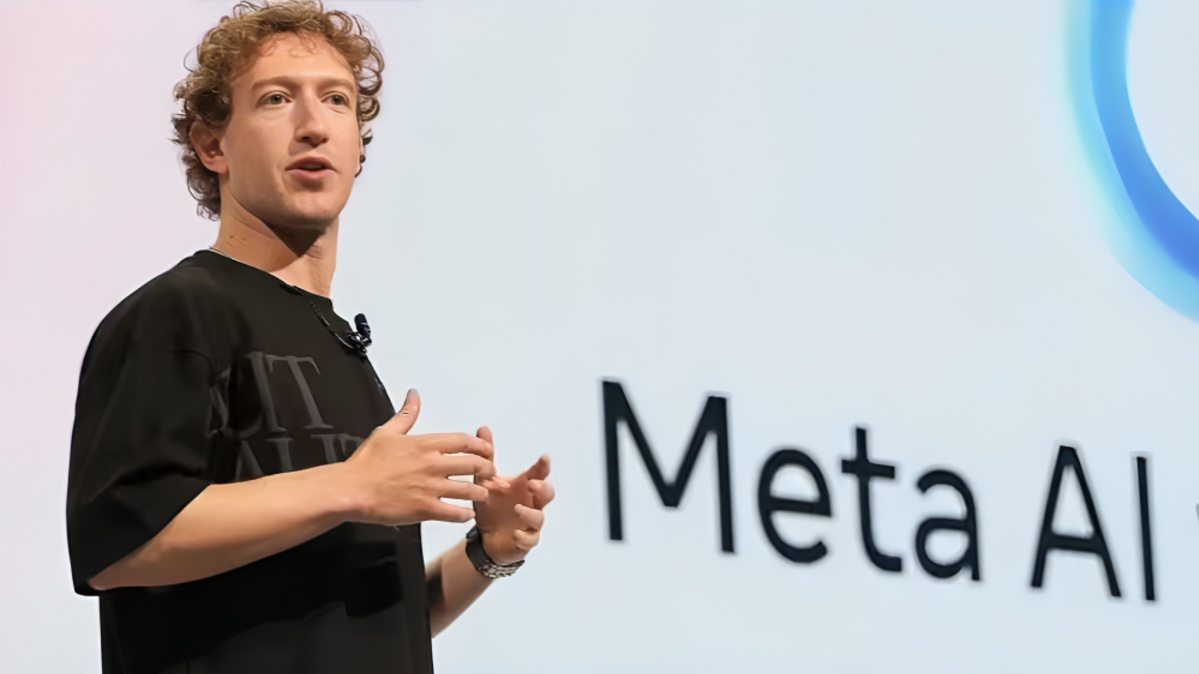
Meta Chief Executive Officer Mark Zuckerberg has admitted that the company made certain mistakes during its recent artificial intelligence workforce restructuring, according to reports referencing an internal memo. The acknowledgment comes at a time when Meta is undergoing significant organizational changes aimed at strengthening its position in the competitive global AI industry.
The internal communication reportedly outlined that the company is reviewing its earlier decisions related to AI team restructuring and employee allocation. Meta has been actively shifting resources toward artificial intelligence development, focusing on improving model performance, infrastructure, and product integration across its platforms including Facebook, Instagram, and WhatsApp.
In recent years, Meta has increased its investment in artificial intelligence as part of its long term strategy to enhance user experience and develop advanced digital tools. The company has introduced AI powered features in areas such as content recommendation, messaging, advertising systems, and virtual assistants. These developments have required substantial changes in workforce structure and internal operations.
Zuckerberg’s acknowledgment of mistakes reflects the challenges large technology companies often face during rapid transformation. As AI becomes a central focus for global tech firms, organizations are required to continuously adapt their internal structures, talent distribution, and operational priorities.
Industry experts note that workforce restructuring in the technology sector is a complex process, especially when it involves highly specialized areas such as artificial intelligence research and development. Companies must balance innovation goals with employee roles, operational efficiency, and long term strategic planning.
Meta’s restructuring efforts are also influenced by increasing competition from other major technology companies investing heavily in artificial intelligence. Firms across the United States, Europe, and Asia are accelerating development in machine learning, generative AI, and advanced computing systems, creating a highly competitive environment.
According to reports, the internal memo highlighted plans for further reassignment of employees and refinement of team structures. The goal is to ensure that Meta’s AI division operates more efficiently and aligns with the company’s broader strategic objectives. While specific details of the restructuring have not been fully disclosed, the changes are expected to impact multiple departments within the organization.
The acknowledgment of internal errors is seen by analysts as a sign of Meta’s willingness to reassess its approach and make adjustments where necessary. Large scale technology transformations often involve trial and error, particularly in emerging fields like artificial intelligence where best practices are still evolving.
Meta has been positioning itself as a major player in the AI space, investing in research, infrastructure, and product development. The company’s long term vision includes integrating AI more deeply into its platforms to enhance communication, personalization, and digital interaction for users worldwide.
Despite challenges, Meta continues to expand its AI capabilities and refine its organizational strategy. The company’s leadership has emphasized the importance of adapting quickly to technological advancements while maintaining operational stability.
Zuckerberg’s comments underline the ongoing evolution of the technology industry, where rapid innovation often requires frequent reassessment of internal processes. As artificial intelligence continues to reshape digital platforms, companies like Meta are expected to continue adjusting their strategies to remain competitive.
The latest developments highlight the broader trend of restructuring across major technology firms as they navigate the complexities of AI driven transformation. Industry observers believe that such adjustments are likely to continue as companies refine their approaches to building and deploying advanced artificial intelligence systems.


