
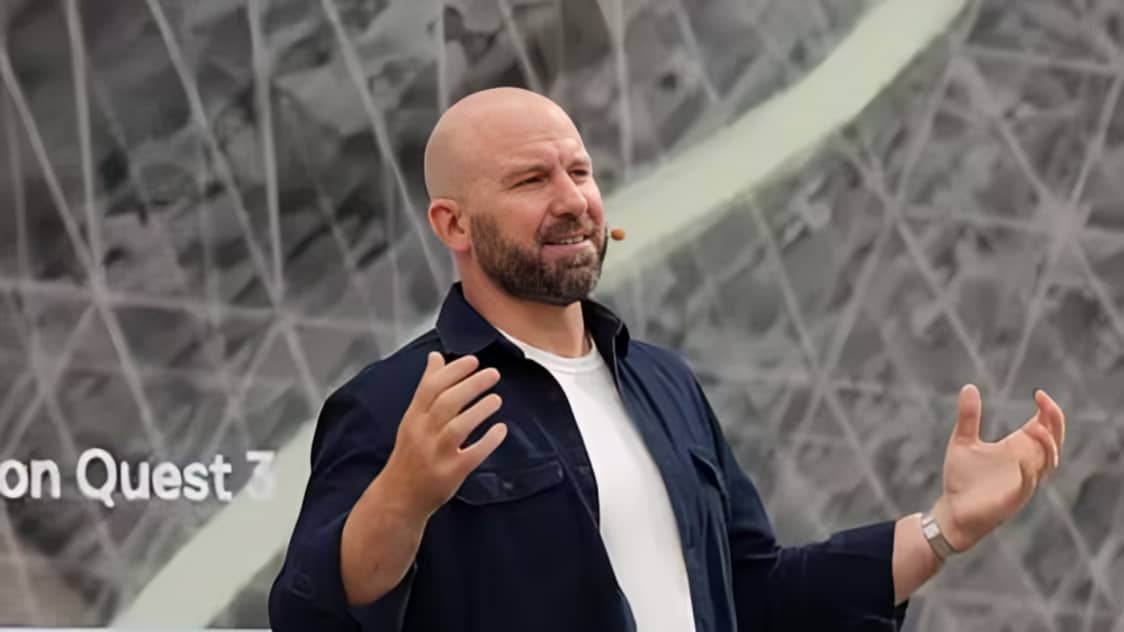

Meta Platforms is facing internal challenges related to employee morale as the company accelerates its artificial intelligence initiatives and continues restructuring efforts across multiple business divisions. According to comments attributed to Meta Chief Technology Officer Andrew Bosworth, employee sentiment has been significantly affected by organizational changes linked to the company's evolving priorities.
The remarks have drawn attention to the human impact of large-scale transformations taking place within major technology companies. As businesses increasingly invest in artificial intelligence, many organizations are reassessing workforce requirements, operational structures and resource allocation strategies.
Meta has positioned artificial intelligence as one of its most important long-term priorities. The company has invested heavily in AI research, infrastructure and product development, aiming to compete with other leading technology firms in the rapidly expanding artificial intelligence sector. These efforts include the development of advanced AI models, digital assistants, content recommendation systems and business tools powered by machine learning technologies.
To support these ambitions, Meta has implemented various organizational changes over the past several years. These measures have included workforce reductions, department restructuring and the reassignment of employees to projects considered strategically important for the company's future growth.
While executives have emphasized the importance of these changes for maintaining competitiveness, reports suggest that some employees have expressed concerns about uncertainty, changing responsibilities and the pace of internal transformation. Workforce morale can become a significant challenge during periods of rapid corporate restructuring, particularly when employees experience role changes or organizational realignments.
Technology companies across the industry have faced similar situations as artificial intelligence becomes a central business priority. Organizations are increasingly directing investments toward AI-related initiatives while seeking greater operational efficiency. As a result, many firms have adjusted staffing strategies, leading to broader discussions about the future of work in the technology sector.
Industry analysts note that artificial intelligence is expected to influence nearly every aspect of the digital economy. Companies view AI as a key driver of innovation, productivity and future revenue growth. This has created intense competition among major technology firms to attract talent, build advanced computing infrastructure and accelerate product development.
Meta's leadership has repeatedly highlighted artificial intelligence as a critical component of the company's future strategy. The organization has introduced AI-powered features across its platforms and continues to invest in technologies designed to enhance user experiences, business services and content creation tools.
At the same time, maintaining employee engagement remains an important challenge for organizations undergoing significant change. Experts in corporate management emphasize that transparent communication, leadership support and clear career pathways can help companies navigate periods of transformation while preserving workforce confidence.
The broader technology industry has experienced substantial workforce adjustments in recent years. Economic conditions, changing market priorities and rapid technological advancements have encouraged companies to reassess operational structures and focus resources on strategic growth areas.
Artificial intelligence has emerged as one of the most influential trends shaping corporate decision-making. Businesses are increasingly integrating AI into products, services and internal operations. However, the transition often requires organizations to adapt existing teams and develop new skills that align with future technological demands.
Observers note that employee morale can play a significant role in determining the success of large-scale business initiatives. Companies that effectively manage organizational change are generally better positioned to retain talent, encourage innovation and achieve long-term objectives.
As Meta continues its AI-focused transformation, investors, employees and industry observers will closely monitor how the company balances technological innovation with workforce management. The outcome may provide important insights into how major technology companies navigate the opportunities and challenges associated with the growing influence of artificial intelligence.


