
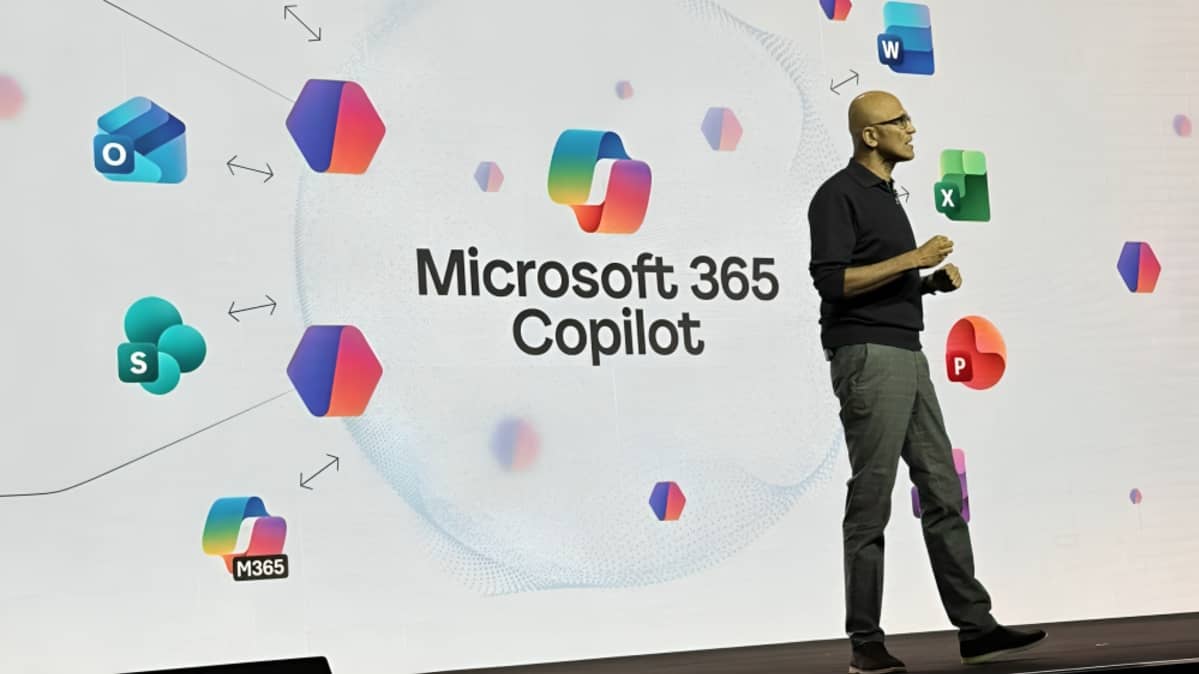

Microsoft is accelerating the development and deployment of its own artificial intelligence models as it expands the capabilities of its Copilot ecosystem. The company is gradually increasing the use of internally developed AI technologies across several of its products, reflecting a broader strategy to strengthen its long term position in the rapidly evolving artificial intelligence market.
According to company leadership, Microsoft has begun integrating its in house AI models into various Copilot services while reducing reliance on certain external AI models for selected applications. The move represents an important step in Microsoft's efforts to build a more self sufficient AI infrastructure capable of supporting its growing portfolio of consumer and enterprise products.
Artificial intelligence has become one of Microsoft's key strategic priorities over the past several years. The company has invested heavily in AI research, cloud computing infrastructure, specialized hardware, and software development to support the increasing demand for generative AI services across businesses and individual users.
Microsoft's Copilot platform is now integrated into a wide range of products, including productivity software, developer tools, business applications, and cloud services. These AI powered assistants help users perform tasks such as generating written content, summarizing information, writing computer code, analyzing data, creating presentations, and improving workplace productivity.
Chief Executive Officer Satya Nadella has indicated that Microsoft's internally developed AI models are already being used in products such as Outlook and GitHub Copilot. According to the company, early results have demonstrated encouraging performance, allowing Microsoft to further refine its AI systems while improving efficiency and user experience.
Developing proprietary AI models offers several potential advantages for technology companies. By controlling both the underlying models and the software applications built upon them, companies can optimize performance, reduce operational costs, improve response times, and customize AI capabilities for specific business requirements. Internal development also provides greater flexibility when introducing new features and responding to customer needs.
The artificial intelligence industry has become increasingly competitive as major technology companies invest in building advanced foundation models capable of powering a wide range of AI applications. Businesses across the sector continue to allocate significant resources toward research, infrastructure, and specialized computing systems required to train and deploy large scale AI models.
Cloud computing remains an essential component of Microsoft's AI strategy. The company's cloud infrastructure provides the computational resources needed to support large language models, enterprise AI services, and millions of user interactions each day. Continued investment in data centres and specialized AI hardware enables Microsoft to scale its services while meeting growing customer demand.
The transition toward internally developed AI models also reflects the broader trend of technology companies seeking greater control over their artificial intelligence ecosystems. Many organizations are investing in proprietary AI technologies to differentiate their products, improve efficiency, strengthen security, and reduce long term dependence on external providers.
Industry analysts believe that developing multiple AI models allows companies to choose the most suitable technology for different tasks. Certain models may be optimized for coding assistance, while others perform better in document analysis, customer service, language translation, creative content generation, or business productivity applications. This flexibility enables companies to deliver more specialized and efficient AI experiences.
Microsoft has stated that artificial intelligence will continue to play a central role in the future of its software and cloud platforms. As AI adoption expands across industries, the company is expected to continue investing in research, infrastructure, and product innovation to strengthen its competitive position in the global technology market.
The growing use of Microsoft's own AI models demonstrates the company's commitment to building a comprehensive artificial intelligence ecosystem that supports enterprise customers, software developers, and individual users. As AI technology continues to evolve, Microsoft's strategy of combining proprietary models with its cloud and productivity platforms is expected to shape the next phase of its AI driven innovation while expanding the capabilities of its Copilot services across a wide range of applications.


