
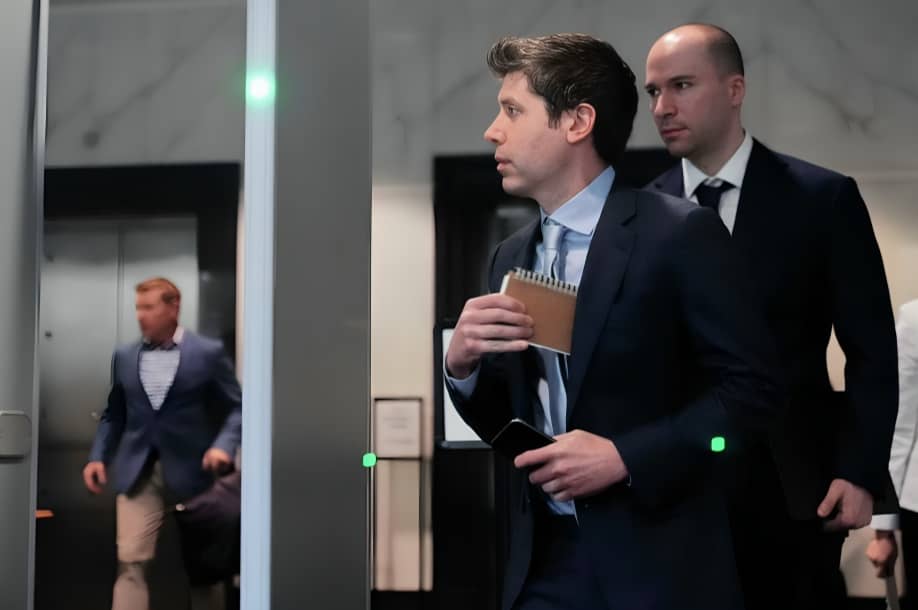
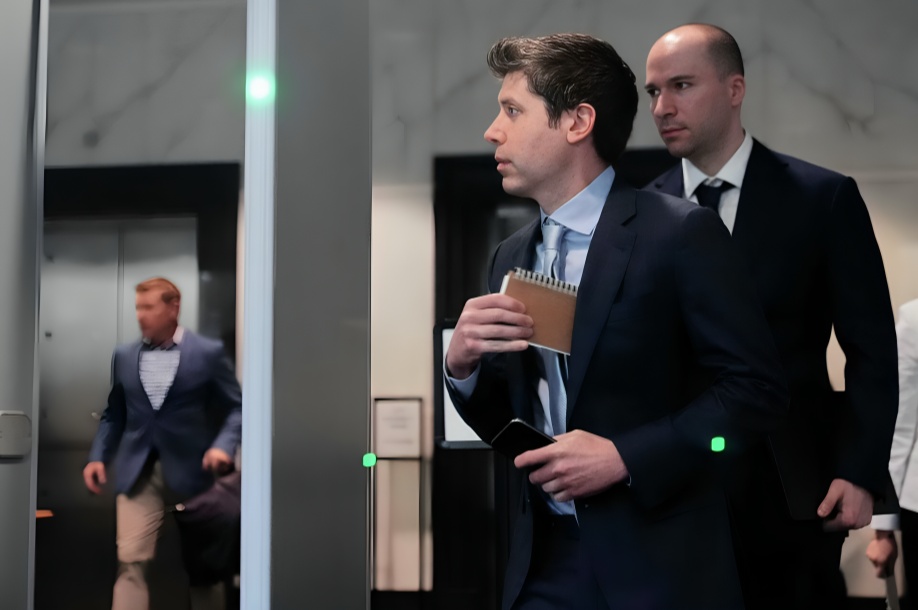
Sam Altman is scheduled to face questioning in an important legal dispute involving Elon Musk and OpenAI, a case that has attracted widespread attention from the global technology industry.
The legal proceedings are being viewed as highly significant because they involve questions surrounding OpenAI’s organizational structure, leadership decisions, commercial direction, and the broader future of artificial intelligence development.
Elon Musk, who was among the early supporters and co founders associated with OpenAI, has previously raised concerns regarding the company’s transformation and strategic approach. The dispute has intensified discussions about how artificial intelligence companies should balance public interest, commercial operations, safety concerns, and technological competition.
Sam Altman’s expected testimony is likely to play an important role in the ongoing court proceedings. Legal analysts believe his statements could provide insight into the company’s internal decisions, governance structure, and future plans.
OpenAI has emerged as one of the world’s leading artificial intelligence organizations, particularly after the rapid global growth of generative AI technologies and conversational AI systems. The company’s products and research initiatives have significantly influenced discussions around automation, digital innovation, education, business productivity, and technology regulation.
The legal conflict between Elon Musk and OpenAI has also generated broader debate within the technology sector regarding transparency and ethical responsibility in artificial intelligence development. Industry experts note that AI companies are increasingly facing scrutiny from governments, regulators, investors, and the public due to the fast pace of technological advancement.
Elon Musk has repeatedly expressed concerns about artificial intelligence risks and the concentration of technological power among large organizations. He has also advocated for stronger oversight and regulation of advanced AI systems.
Meanwhile, OpenAI leadership has defended the company’s approach, arguing that large scale investment and commercial partnerships are necessary to support the massive infrastructure, computing power, and research costs associated with advanced artificial intelligence development.
Technology analysts believe the case may influence how AI companies are structured and governed in the future. The outcome could also affect investor confidence, partnerships, and public perception surrounding major artificial intelligence firms.
The dispute arrives during a period of intense competition in the AI industry, where major technology companies are rapidly expanding investments in machine learning, generative AI, cloud computing, and automation technologies.
Experts also point out that legal battles involving high profile technology leaders often have wider implications for innovation policy, corporate governance, intellectual property, and regulatory frameworks.
The artificial intelligence industry has grown rapidly over the past few years, leading to increasing discussions about ethical safeguards, data usage, misinformation risks, employment impact, and the responsible deployment of AI tools.
Investors and technology observers across the world are expected to closely follow developments in the trial because OpenAI remains one of the most influential organizations shaping the future of artificial intelligence.
Sam Altman’s testimony may provide additional clarity regarding OpenAI’s strategic direction and its relationship with early supporters and stakeholders. Legal experts say the proceedings could continue for an extended period depending on the complexity of the claims and arguments presented.
Meanwhile, the broader technology industry continues to monitor how the dispute may affect future collaboration, competition, and regulation within the rapidly expanding global AI sector.


