
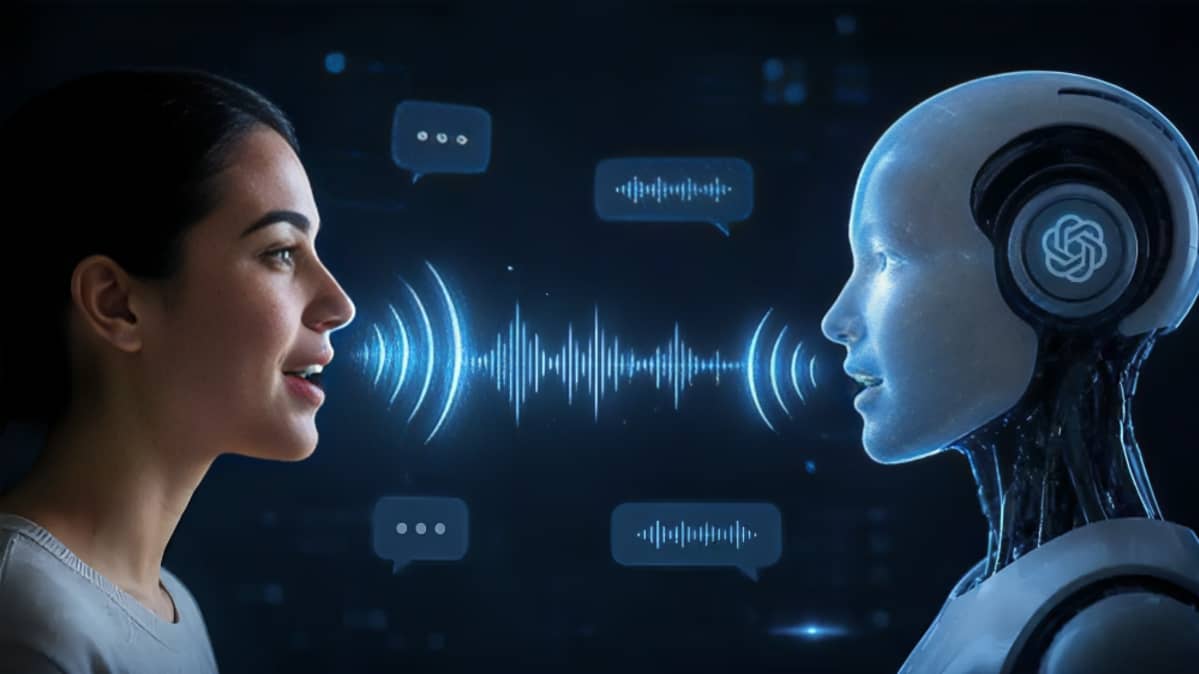

OpenAI may be preparing to take another major step in the evolution of conversational artificial intelligence with the reported development of GPT Bidi 1, an advanced voice model that could enable more natural and fluid interactions between humans and AI systems. According to reports, the new technology is designed to allow ChatGPT and similar AI assistants to listen, process information, and respond at the same time, closely resembling the way people communicate during real conversations.
Current voice assistants typically operate using a turn-based interaction model. Users speak, the system processes the request, and then generates a response. While effective, this approach can sometimes create pauses and interruptions that make conversations feel less natural. GPT Bidi 1 is expected to address these limitations by supporting simultaneous listening and speaking capabilities.
The term "bidirectional" generally refers to the ability to process information in multiple directions at the same time. In practical terms, GPT Bidi 1 could allow AI systems to understand ongoing speech while preparing and delivering responses dynamically. This capability may reduce delays and improve the overall conversational flow.
Industry experts believe such advancements could significantly enhance user experiences across a variety of applications. Voice-enabled artificial intelligence is increasingly being used in customer support, virtual assistants, education platforms, accessibility tools, healthcare services, and workplace productivity software. More natural conversations could improve efficiency and make AI interactions more intuitive.
One of the key challenges in voice-based artificial intelligence has been creating communication patterns that closely resemble human dialogue. In everyday conversations, people often respond quickly, acknowledge information while listening, and adjust their responses based on ongoing context. Replicating these behaviors requires sophisticated language processing, speech recognition, and real-time response generation.
Advances in large language models have already transformed the AI industry by enabling systems to understand complex instructions and generate human-like text. The next stage of development is increasingly focused on multimodal capabilities, including voice, audio, video, and visual understanding. GPT Bidi 1 is believed to be part of this broader effort to make AI systems more interactive and responsive.
Technology companies worldwide are investing heavily in voice AI research as demand for conversational interfaces continues to grow. Consumers increasingly expect digital assistants to provide fast, accurate, and natural interactions across smartphones, computers, smart speakers, and connected devices.
The potential benefits extend beyond convenience. Improved voice models could support individuals with disabilities, enhance language learning experiences, streamline business operations, and improve access to digital services. Real-time conversational AI may also help organizations deliver more personalized customer experiences.
At the same time, experts emphasize the importance of maintaining strong privacy, security, and transparency standards as voice technologies become more advanced. Responsible deployment of AI systems requires safeguards to protect user data and ensure ethical use of conversational technologies.
OpenAI has consistently introduced new capabilities aimed at improving the usefulness and accessibility of artificial intelligence. Previous developments have expanded ChatGPT's abilities in text generation, reasoning, coding assistance, image understanding, and voice interaction. A more advanced voice model would represent another significant milestone in the company's AI roadmap.
While OpenAI has not officially confirmed all details regarding GPT Bidi 1, reports suggest that the technology could further narrow the gap between human and machine communication. If introduced, the model may contribute to a new generation of AI assistants capable of delivering faster, smoother, and more natural conversations.
As artificial intelligence continues to evolve, innovations such as GPT Bidi 1 highlight the industry's broader goal of creating systems that interact with people in increasingly seamless and intuitive ways.


