Sonos has introduced Sonos 27, a major update to its audio operating system that brings artificial intelligence, new controls and a redesigned application to its speaker and headphone ecosystem. The company announced the software alongside two new products, the Beam Ultra soundbar and Sonos Ace Ultra headphones. The update represents a broader move by Sonos toward an open audio platform in which users can interact with their devices through different AI assistants and services.
One of the main additions in Sonos 27 is Sonos 27voice, a new voice based experience developed to make controlling music more natural. Sonos says the system is designed to understand conversational requests related to music, including situations where users describe what they want without knowing the exact song or artist. The company plans to introduce the feature through Early Access, with English support initially and additional languages expected later.
Another important development is Sonos 27mcp. The feature uses the Model Context Protocol to allow external AI assistants to interact with a Sonos system. This means users can potentially use services such as OpenAI ChatGPT or Google Gemini to discover and control music on compatible Sonos devices. The approach gives users more flexibility instead of requiring them to rely on a single voice assistant. Sonos says the feature will initially be available through Early Access.
The integration with external AI assistants is significant because AI systems are increasingly being developed as agents capable of interacting with connected devices and services. In the Sonos ecosystem, this could allow a user to request music or control playback through an AI conversation without having to open the Sonos application separately. The company is positioning Sonos 27mcp as part of a more open platform strategy.
Sonos 27 also introduces changes to the company's application. The redesigned app focuses on improved navigation and easier access to rooms, devices and playback controls. Sonos has been making changes to its application throughout 2026, with recent updates adding improvements to navigation, playback controls and device management. The latest operating system expands this effort with a broader redesign.
The update also introduces new ways of managing audio across a home. Sonos is expanding its multiroom capabilities through Sonos Fabric, the networking technology used to connect compatible products. The company says portable speakers can be used more easily within a home theatre system, including as rear surround speakers in supported configurations. This is intended to reduce the amount of manual configuration required when users move compatible speakers around their homes.
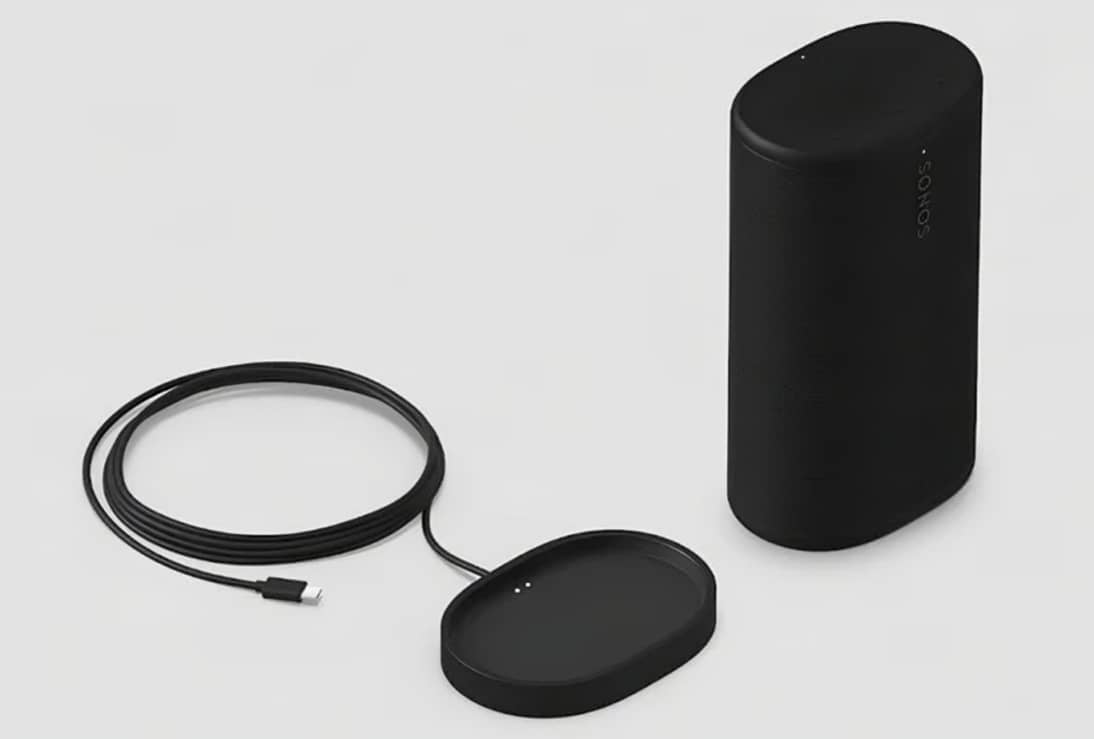
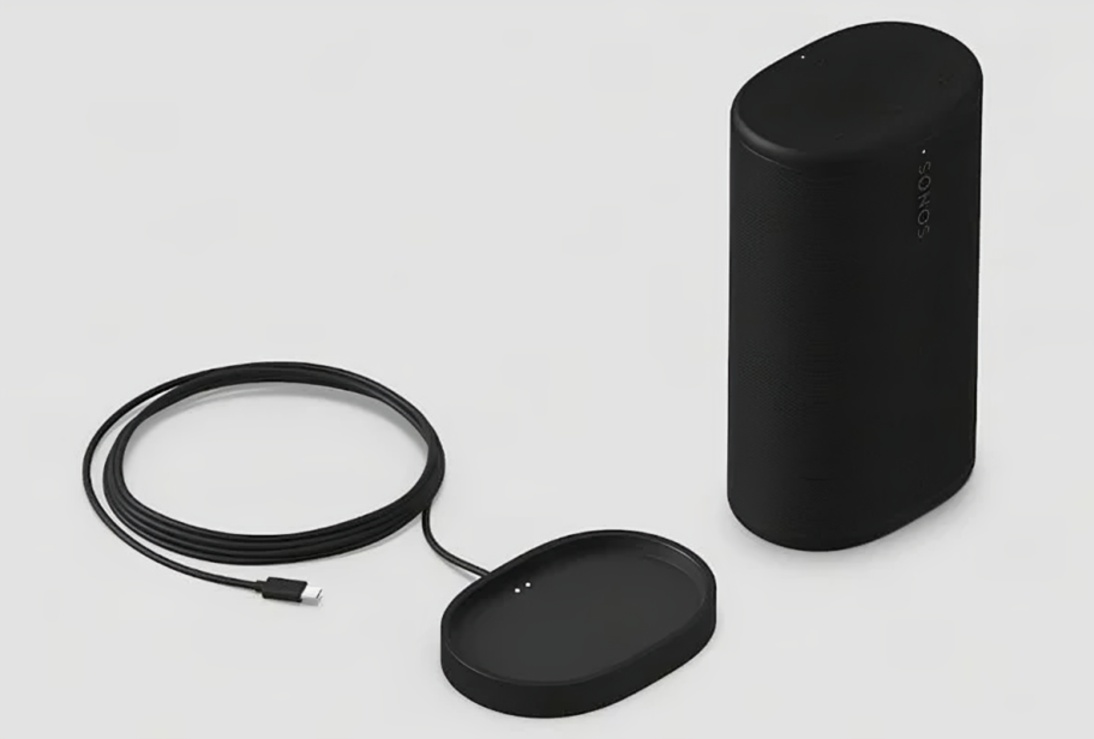
The Sonos Play portable speaker is another important part of the company's product update. Sonos says Play is designed for both home and portable listening, with WiFi and Bluetooth connectivity. It offers up to 24 hours of battery life, an IP67 rated design for resistance to dust and water, and a built in power bank that can be used to charge a phone. The speaker can also be grouped with other compatible portable Sonos speakers over Bluetooth when users are away from a WiFi network.
For Indian consumers, the Sonos Play has a specific launch date. The portable speaker is scheduled to go on sale in India on September 8, 2026. This gives Indian customers access to the new portable product at the same time as the broader Sonos 27 rollout. Sonos has also confirmed support information for Play through its India support pages.
Alongside the software announcement, Sonos introduced the Beam Ultra soundbar. The company says the new soundbar delivers a 7.1.2 Dolby Atmos configuration using nine custom drivers, including two upward firing drivers. It also supports connectivity through WiFi, Bluetooth and HDMI eARC. The Beam Ultra is positioned as a compact home theatre product with enhanced audio capabilities and integration with the wider Sonos system.
Sonos also announced the Ace Ultra headphones, the company's latest premium over ear headphones. The product includes an updated driver system and next generation Adaptive Active Noise Cancellation. Sonos says the headphones can connect directly with its wider audio system, while the new Headphone Linking feature is designed to make it easier to transfer audio between compatible home theatre products and the headphones.
The Beam Ultra and Ace Ultra are scheduled for general availability on September 29, 2026. Sonos has listed their US prices at $699 for the Beam Ultra and $449 for the Ace Ultra, although availability and pricing in individual markets can differ. Both products were made available for preorder from September 1 in the markets announced by Sonos.
The launch also reflects a change in Sonos' broader technology strategy. Rather than treating its speakers only as standalone audio products, the company is increasingly positioning its ecosystem as an audio platform that can interact with software, AI assistants and different types of connected devices. The addition of third party AI support is particularly notable because it could give users greater choice over how they communicate with their audio systems.
Sonos is also planning custom AI agents as part of its longer term strategy. According to reporting on the company's announcement, users will eventually be able to create custom agents with different voices, personalities and functions. The company says these capabilities are planned for the future rather than being part of the initial full rollout.
The move toward AI controlled audio comes as technology companies increasingly explore the use of AI agents in everyday consumer devices. Instead of relying exclusively on traditional menus and fixed voice commands, AI based systems can interpret more natural language and potentially perform multiple actions. For an audio platform, this could include searching for music, selecting content, controlling playback and moving sound between rooms.
However, the usefulness of these features will depend on factors such as device compatibility, language support, internet connectivity and the quality of AI responses. Sonos 27mcp is also being introduced as an Early Access feature, meaning its capabilities and user experience could change as the company continues testing and development.
Compatibility is another consideration for existing Sonos customers. Sonos maintains different generations of products and software, and not every older device supports the latest application or operating system features. The company's current compatibility information lists supported products including Play, Move 2, Arc, Arc Ultra, Beam Gen 2, Era 100, Era 300, Sonos Ace and several other recent products. Customers should check official compatibility information before expecting every new Sonos 27 feature to work across older hardware.
Overall, Sonos 27 is more than a conventional software update. It combines a redesigned application with AI powered voice controls, third party AI integration, expanded multiroom functionality and new hardware. The integration of ChatGPT and other AI assistants could make Sonos systems more flexible for users who prefer conversational control.
With Sonos Play arriving in India on September 8 and the Beam Ultra and Ace Ultra scheduled for September 29, the company is entering the next stage of its product strategy with a stronger focus on artificial intelligence and connected audio. The success of Sonos 27 will depend on how reliably these new features work in everyday situations and how effectively the company can combine AI capabilities with its established multiroom audio platform.