space.
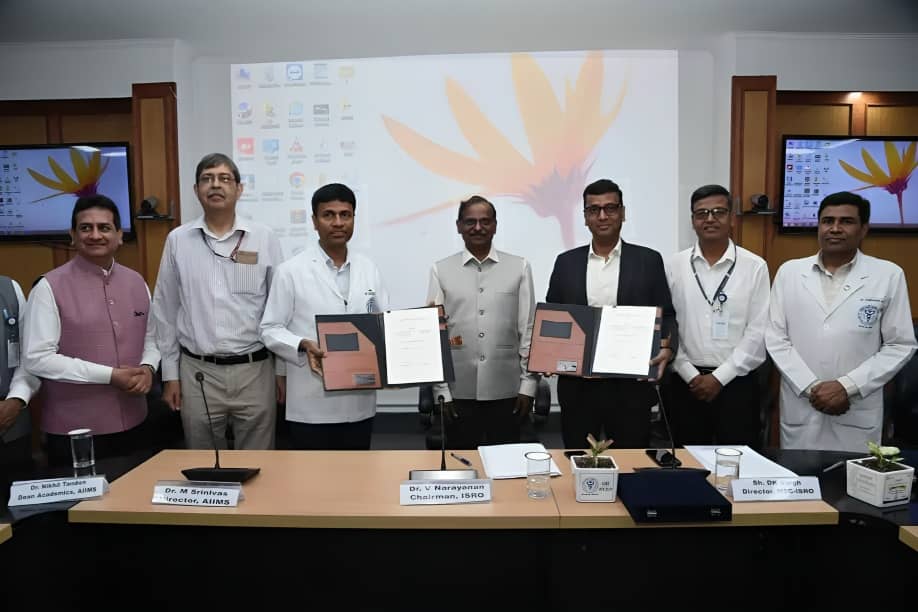
The agreement establishes a framework for both ground based and space based research. Scientists and medical experts will study several aspects of human health that can be affected by space travel. These include human physiology, cardiovascular and autonomic regulation, musculoskeletal health in microgravity, microbiome and immunology, genomics and biomarkers, and behavioural health.
Space medicine has become increasingly important as more countries prepare for human missions beyond Earth. Astronauts who spend long periods in microgravity experience several physical changes because the human body evolved to function under Earth gravity. Research in this area aims to understand these changes and develop methods to protect astronauts during long space missions.
Professor K K Deepak, former head of the Department of Physiology at AIIMS, explained the importance of studying the effects of space on the human body. According to him, astronauts in microgravity often experience muscle loss, weakening of bones, and fluid shifts in the body. These changes resemble the effects of accelerated ageing seen in humans on Earth.
By studying these processes in space conditions, researchers can gain valuable knowledge about how ageing affects muscles bones and blood circulation. This information may help scientists develop improved treatments and preventive strategies for age related health problems.
Experts also note that technologies developed to support astronaut health may have direct benefits for patients on Earth. For example, devices designed to improve blood circulation in astronauts legs during space missions could also help people suffering from circulation disorders. Similarly, methods used to maintain muscle strength in astronauts could be useful for patients who experience muscle weakness due to illness or long periods of immobility.
AIIMS Director Professor M Srinivas said the collaboration would open new opportunities in medical research and innovation. He noted that the agreement provides an opportunity for researchers to explore the emerging field of space medicine and contribute to scientific progress that could benefit both space missions and public healthcare.
Officials involved in the collaboration said the research partnership is expected to support India growing ambitions in human space exploration. India space programme has evolved significantly over the decades, moving from modest beginnings to advanced missions that include satellite launches lunar exploration and preparations for human spaceflight.
Scientists believe partnerships between scientific institutions and medical research organizations will be essential for ensuring astronaut health and mission success. At the same time, knowledge gained from space medicine studies could lead to new insights into human health and disease.
The collaboration between AIIMS and ISRO is expected to strengthen India research capabilities in this specialised field while contributing to the broader goal of advancing both space science and healthcare.