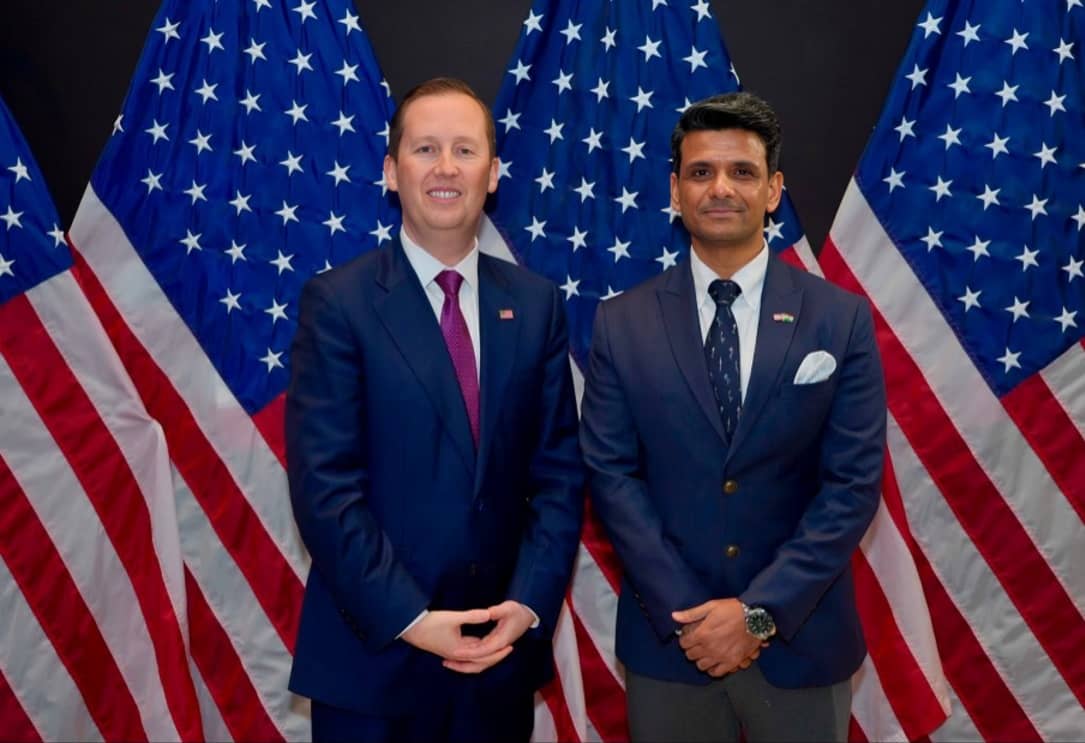
US Ambassador to India Sergio Gor has said that the space relationship between the United States and India is entering a new phase, moving beyond traditional cooperation towards what he described as co creation.
Gor made the remarks on September 7 at the Bengaluru Space Expo 2026, where he outlined his vision for deeper collaboration between the two countries in space technology, commercial space activities, startup development and future human exploration. The event is being organised in Bengaluru and brings together representatives from the space industry, government institutions and technology companies.
According to Gor, the partnership between the two countries is no longer limited to exchanging information or cooperating on individual projects. He said the focus is increasingly shifting towards jointly developing technologies, supporting space startups and contributing to future exploration missions.
Gor described this transition as a move from cooperation to co creation. He said the United States and India could combine their respective strengths to develop new opportunities in the rapidly expanding global space economy.
The US envoy highlighted the different strengths that the two countries bring to the partnership. According to him, the United States has significant private capital, established commercial ecosystems and a large technology market, while India has strong engineering capabilities, scientific expertise and a growing startup sector.
Gor said combining these capabilities could create new opportunities for companies and researchers in both countries. His remarks indicate that the partnership is expected to involve not only government agencies but also private businesses and emerging space companies.
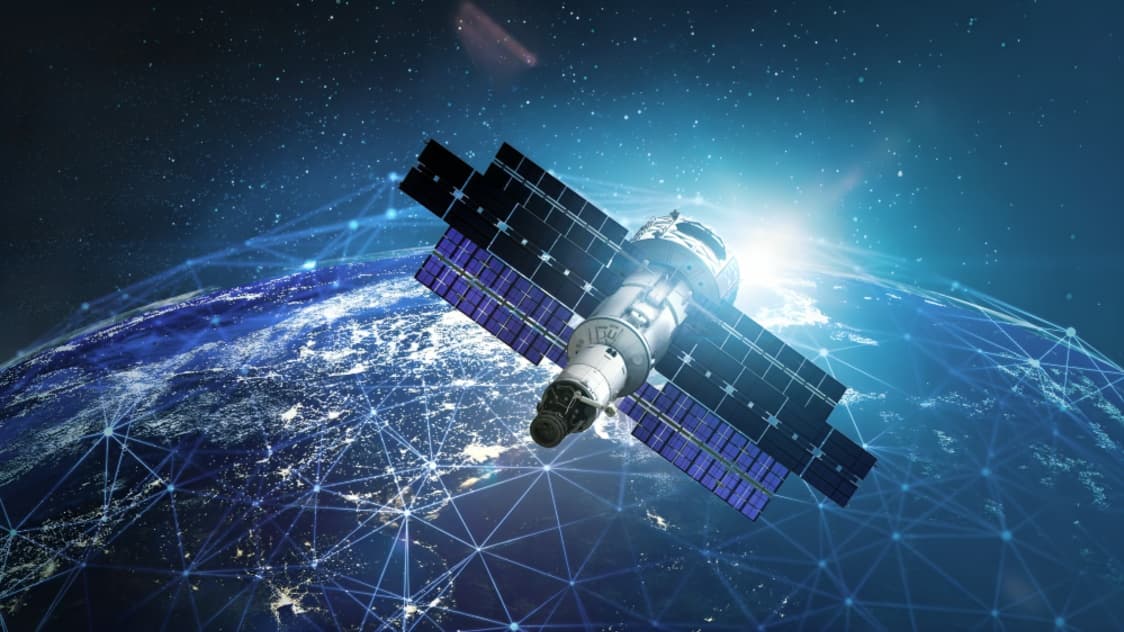
The commercialisation of space is becoming an increasingly important part of the global space industry. Private companies are playing a larger role in satellite manufacturing, launch services, communications, Earth observation and other space-related technologies.
Gor also encouraged Indian space entrepreneurs to look towards the American market. He said the US market is open to Indian space startups and that American investors are watching developments in India's space sector.
The comments come at a time when India's private space industry is expanding. The country has seen increasing participation from startups and private companies alongside the established role of the Indian Space Research Organisation.
The growing involvement of private companies is expected to create opportunities for new technologies, investment and international partnerships. A closer relationship between Indian and American space companies could potentially support joint ventures, technology development and access to global markets.
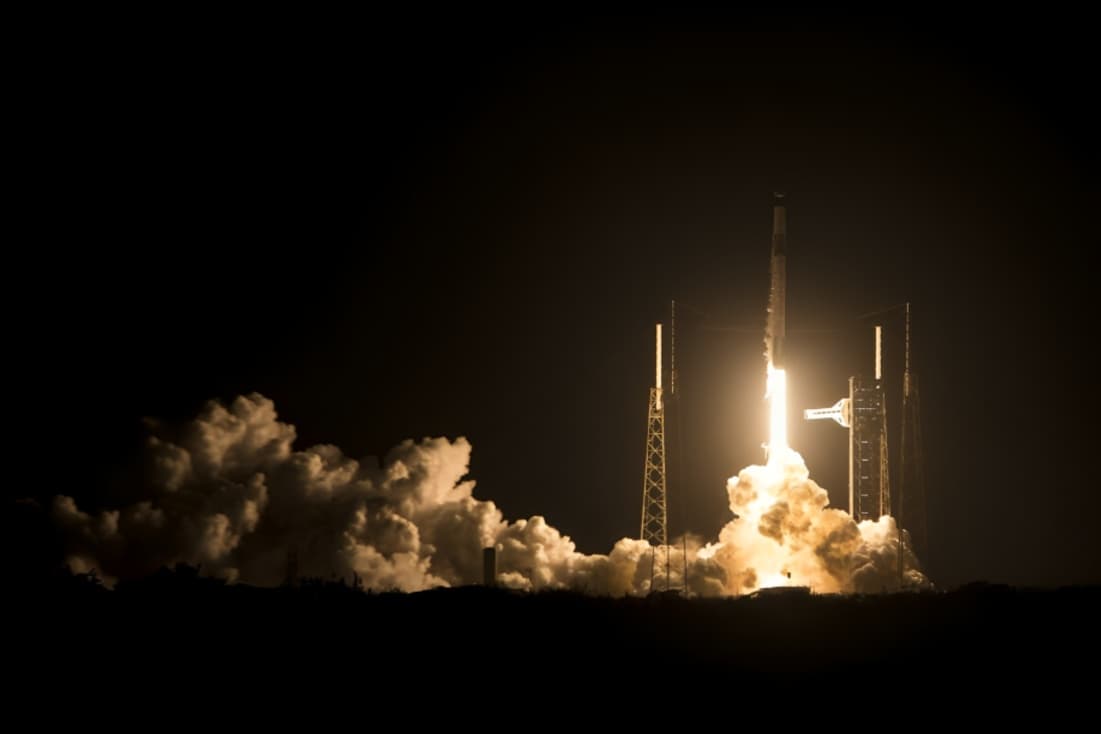
Another major area highlighted by Gor was lunar exploration. He said NASA has officially invited ISRO to participate in its Moon base programme. Gor emphasised that the United States wants India to be part of future activities on the lunar surface.
The invitation adds another important dimension to the expanding space relationship between the two countries. India has already established a significant presence in lunar exploration through the Chandrayaan programme, while the United States is pursuing a broader lunar exploration strategy through NASA's Artemis programme.
India is also a signatory to the Artemis Accords, which establish principles for responsible exploration and use of outer space. Gor's remarks suggest that Washington sees India as an important partner in its long-term plans for lunar exploration and human space activity.
The partnership also has implications beyond lunar missions. Space technology is increasingly connected with navigation, communications, Earth observation, disaster management, artificial intelligence and advanced manufacturing.
Gor described space as an important driver of the global economy and said developments in the sector would influence several areas of technology and industry. This broader approach could encourage cooperation between the United States and India across multiple space-related fields.
The joint NASA ISRO NISAR satellite is another example of the growing relationship between the two countries. The Earth observation mission is designed to provide data that can be used for applications including monitoring environmental changes and supporting disaster management.
The two countries have also been strengthening institutional dialogue. Gor referred to the ninth US India Civil Space Joint Working Group held in Bengaluru, saying the discussions reflected the transformation taking place in the bilateral space relationship.
The growing partnership comes as both countries seek greater cooperation in advanced technologies. Space is increasingly linked with sectors such as artificial intelligence, semiconductor technology, telecommunications and advanced manufacturing.
For India, stronger cooperation with the United States could provide additional opportunities for domestic space companies to access international investment, technology partnerships and commercial markets. For the United States, India's engineering talent, scientific capabilities and expanding space startup ecosystem offer potential opportunities for future joint projects.
Gor's comments also reflect a broader effort to deepen strategic ties between the two countries. Space cooperation has become an important component of the wider US India relationship, alongside technology, defence, trade and scientific research.
The Bengaluru Space Expo provided a platform for discussions about the future of the commercial space sector and international partnerships. Gor's remarks placed particular emphasis on the role of private companies and startups in the next stage of space development.
The shift towards co creation could therefore represent a change in the way the two countries approach space cooperation. Instead of limiting collaboration to specific government-led projects, the model could involve joint development, private investment and greater participation from commercial companies.
However, the practical details of future projects, funding arrangements and commercial partnerships will depend on subsequent agreements between the relevant organisations and governments. Gor's remarks establish the direction of the partnership but do not by themselves constitute specific agreements for every proposed initiative.
The United States and India are nevertheless positioning space as an important area of their long-term strategic relationship. With India's growing private space sector and the United States' established commercial space ecosystem, both countries have opportunities to expand cooperation in research, technology and exploration.
Gor's message at the Bengaluru Space Expo was therefore focused on a broader vision for the future of the partnership. He presented the United States and India as potential partners not only in existing space programmes but also in developing new technologies and exploring the next stages of human activity beyond Earth.
The proposed involvement of India in future lunar activities could become one of the most significant areas of this relationship. If the partnership continues to deepen, cooperation between NASA, ISRO, private companies and research institutions could expand into new areas of lunar exploration and space technology.
For now, the emphasis is on strengthening the foundation for that future. Gor's comments indicate that Washington sees India as an important partner in the next phase of space exploration and commercialisation, while India's growing capabilities could provide new opportunities for joint development.
The US India space relationship is consequently moving towards a model that combines government cooperation, private investment, technological development and international exploration. The coming years are likely to determine how this vision of co creation translates into concrete missions, commercial partnerships and new opportunities for the space industries of both countries.