NASA and SpaceX have delayed the launch of the Crew 13 mission to the International Space Station after engineers detected an oxidizer leak in the Dragon spacecraft’s propulsion system during routine prelaunch processing.
NASA announced the schedule adjustment on August 29, 2026, saying joint teams from NASA and SpaceX are carrying out additional testing and reviewing data to understand the leak and determine what repair work is required. The space agency said a new launch target will be announced once the necessary work has been completed.
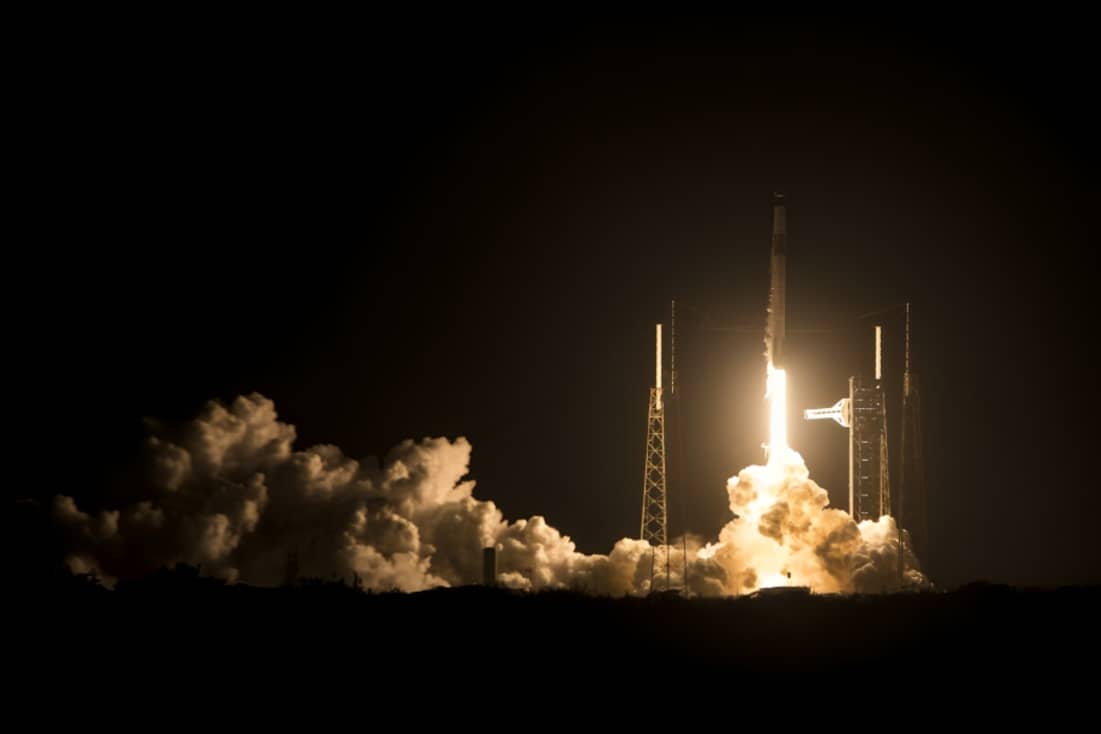
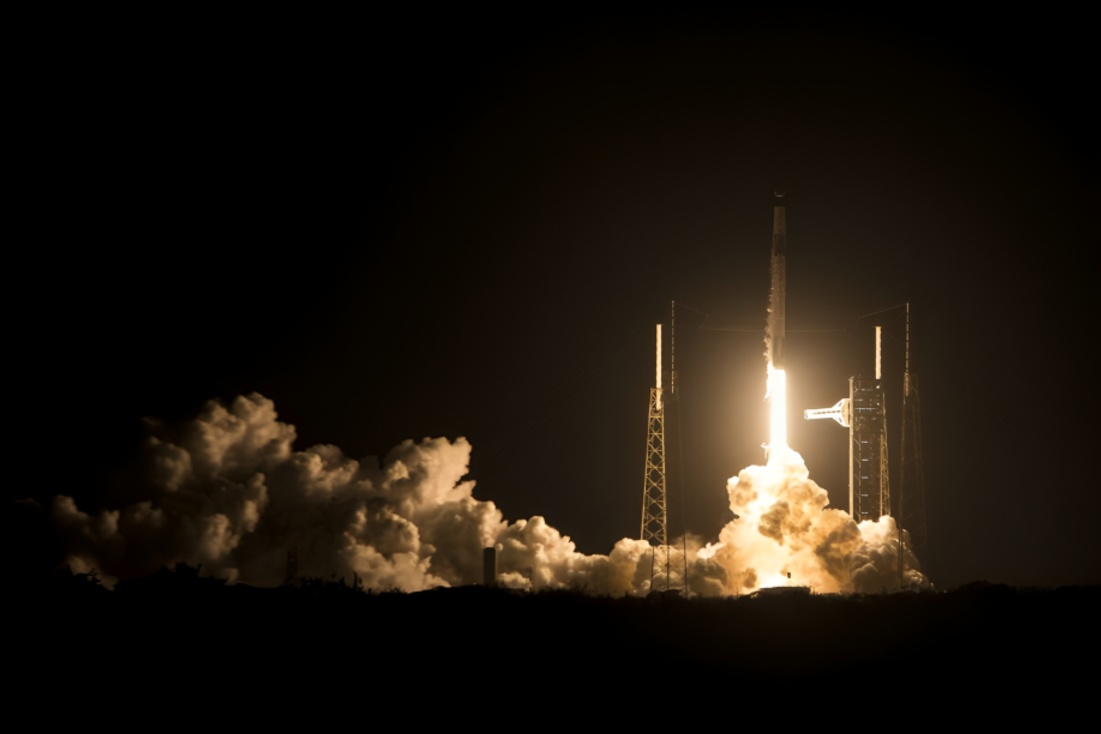
The Crew 13 mission is part of NASA's Commercial Crew Program, which uses commercially developed spacecraft to transport astronauts to and from the International Space Station. SpaceX's Crew Dragon is the spacecraft assigned to the mission, with a Falcon 9 rocket scheduled to carry it into orbit from Space Launch Complex 40 at Cape Canaveral Space Force Station in Florida.
The issue was identified during standard spacecraft processing before launch. NASA described the problem specifically as an oxidizer leak in the Dragon's propulsion system. The agency did not report an emergency involving the astronauts because the spacecraft had not yet launched.
Oxidizers are part of the propulsion system used by spacecraft thrusters. In simple terms, the propulsion system relies on propellant components to produce the thrust required for orbital manoeuvres, including adjustments needed during a mission. Any leak identified before launch must therefore be evaluated carefully before astronauts are placed aboard for flight.
The decision to delay the launch reflects NASA's emphasis on crew safety. Rather than proceed with the original schedule, NASA and SpaceX are conducting further tests and reviewing engineering data before deciding whether components need to be repaired or replaced.
The Crew 13 mission had already been scheduled for no earlier than September 12, according to NASA's mission information. The new delay means that date is subject to further confirmation depending on the outcome of the inspection and repair process.
The four astronauts assigned to the mission are NASA's Jessica Watkins and Luke Delaney, Canadian Space Agency astronaut Joshua Kutryk and Roscosmos cosmonaut Sergey Teteryatnikov. Watkins is serving as spacecraft commander, while Delaney is assigned as pilot. Kutryk and Teteryatnikov are mission specialists.
After reaching the International Space Station, the Crew 13 astronauts are scheduled to become members of Expedition 75. Their mission is planned as a long duration expedition involving scientific research and other station activities.
The latest delay is not the first time NASA and SpaceX have adjusted a crewed mission schedule because of a technical concern. Human spaceflight missions require extensive testing because even apparently limited hardware issues can become significant during launch or orbital operations.
NASA's approach in the current case has been to investigate the leak before setting another launch date. The agency has not indicated that the mission has been cancelled. Instead, officials have described the change as an adjustment to the launch schedule while the problem is addressed.
The Dragon spacecraft is an important part of NASA's human spaceflight programme. SpaceX's Crew Dragon received certification under the Commercial Crew Program in 2020 and has subsequently been used for multiple crewed missions to the International Space Station. NASA's Commercial Crew system is intended to provide safe and reliable transportation for astronauts while working with private industry.
Crew 13 will be the 13th crew rotation mission under SpaceX's human transportation system and the 14th Dragon flight carrying astronauts when including the Demo 2 test flight, according to NASA's mission information.
The current issue therefore involves a spacecraft that has already demonstrated operational capability, but NASA's safety procedures require every new mission vehicle to meet flight readiness requirements before launch.
The prelaunch detection of the leak is significant because it allows engineers to address the problem while the spacecraft remains on Earth. Engineers can inspect the propulsion system, conduct pressure and systems tests, examine the affected components and review the data collected during processing.
The exact location and size of the leak have not been disclosed in NASA's public statement. The agency also has not said whether a particular component has already been identified for replacement. Those details are expected to become clearer after the technical investigation is completed.
The delay could affect the wider schedule of activities around the International Space Station. Crew rotation missions are carefully coordinated with station operations, spacecraft traffic, astronaut training and other planned activities. Any change in the launch date can therefore require adjustments across several teams.
Despite the delay, NASA's current public information continues to identify Crew 13 as an active future mission. The agency's official mission page lists the launch as no earlier than September 12, while the August 29 announcement makes clear that the date will be revised if necessary after the propulsion system work is completed.
The Crew 13 astronauts had been preparing for the mission for months before the latest technical issue emerged. Crew training includes spacecraft operations, emergency procedures, station systems, scientific tasks and other activities required for a long duration stay in orbit.
The astronauts are also expected to undergo quarantine before launch. NASA's mission information states that the crew will enter quarantine approximately two weeks before departure from Johnson Space Center in Houston.
A new launch date will depend on the results of the additional tests and data review. If engineers determine that the issue can be corrected promptly, the schedule may be adjusted by a relatively short period. If additional work is required, the mission could move further into September.
NASA has not announced the duration of the delay, and it would be premature to assume a specific replacement date until the agency and SpaceX complete their assessment.
The delay also demonstrates the role of prelaunch processing in human spaceflight safety. Spacecraft undergo detailed inspection and testing before launch because engineers aim to identify problems while they can still be corrected on the ground.
For SpaceX, the Crew 13 spacecraft represents another operational mission under the Commercial Crew Program. The company is responsible for the Dragon spacecraft and Falcon 9 launch vehicle, while NASA provides mission requirements, oversight and astronaut operations support.
For NASA, the immediate priority is ensuring that the Dragon propulsion system performs as expected before the crew boards the spacecraft for launch. The decision to postpone the flight allows engineers time to understand the leak fully rather than taking unnecessary risks with a crewed mission.
The International Space Station itself continues to operate with its current Expedition 75 crew while the Crew 13 launch is delayed. NASA has continued to publish updates on station science, maintenance and crew activities during the period leading up to the planned Crew 13 arrival.
The delayed mission remains important to the station's future operations because Crew 13 will join Expedition 75 and support ongoing scientific research and station activities. However, NASA has not suggested that the current technical issue poses a threat to the International Space Station or to the astronauts already aboard.
The situation also highlights how international cooperation is built into modern human spaceflight. The Crew 13 team includes astronauts from NASA, the Canadian Space Agency and Roscosmos, reflecting the multinational nature of International Space Station operations.
The presence of international partners means mission schedules must be coordinated across multiple organisations. A delay requires communication between NASA, SpaceX and partner agencies so that training, transportation and station planning can be adjusted as necessary.
At present, the technical issue remains under investigation. NASA and SpaceX are expected to provide another schedule update once they have completed the additional tests and identified the required corrective actions.
For prospective viewers and space enthusiasts, the delay means the Crew 13 launch date should not be treated as fixed. NASA's current official wording is that the mission will launch on a new date to be determined after the propulsion system issue is addressed.
The decision is consistent with standard human spaceflight practice, where safety and technical readiness take priority over maintaining a previously announced launch schedule.
The incident also demonstrates why spacecraft propulsion systems receive extensive attention during prelaunch checks. A propulsion problem can affect a vehicle's ability to manoeuvre safely after reaching orbit, making early detection and corrective work essential.
For the four Crew 13 astronauts, the delay means additional time before beginning their planned long duration expedition aboard the space station. Their mission remains part of NASA's ongoing effort to maintain a continuous human presence in low Earth orbit and conduct scientific research in the unique microgravity environment.
For SpaceX, resolving the leak will be an important engineering task before the next launch attempt. For NASA, the next milestone will be a formal assessment confirming that the spacecraft is ready to safely carry its crew.
The latest announcement does not indicate a mission cancellation or a major failure. It is a precautionary schedule adjustment made after a technical issue was found during routine processing.
Until the additional inspections and tests are completed, the exact launch date remains uncertain. NASA and SpaceX will announce the revised target when they determine that the Dragon spacecraft has met the necessary flight readiness requirements.
The Crew 13 mission remains scheduled to transport Jessica Watkins, Luke Delaney, Joshua Kutryk and Sergey Teteryatnikov to the International Space Station. Once the propulsion system issue is resolved and a new launch date is confirmed, the astronauts will proceed towards their planned Expedition 75 assignment in orbit.
For now, the key development is that NASA and SpaceX have postponed the Crew 13 launch after detecting an oxidizer leak in the Dragon propulsion system. Additional testing and data analysis are underway, and the next launch date will be announced after the necessary work is completed.