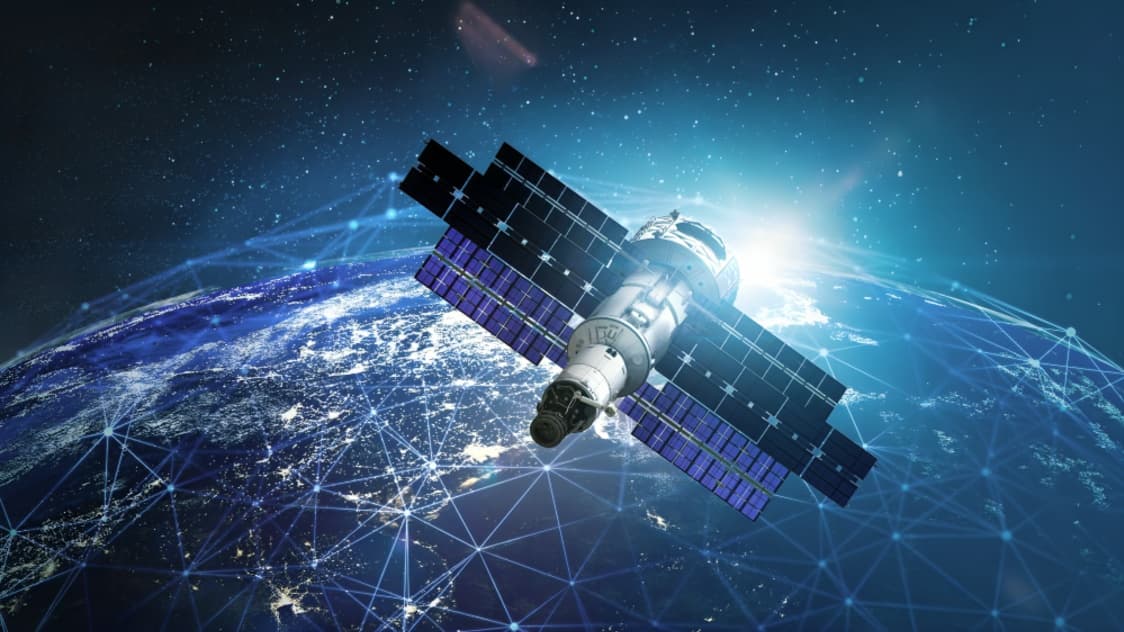
he much-anticipated Axiom-4 mission has faced another delay, further pushing back the timeline for the next private astronaut flight to the International Space Station (ISS). Axiom Space, in partnership with SpaceX and NASA, confirmed that both technical checks and adverse weather conditions have led to the postponement of the mission’s launch from the Kennedy Space Center in Florida.
The Axiom-4 mission was scheduled to transport a crew of private astronauts to the ISS for a multi-day mission focused on scientific research, commercial activities, and international collaboration. The launch, already delayed once before, was again postponed to ensure crew safety and optimal mission performance.
Why the Delay Happened
According to a joint statement released by Axiom Space and SpaceX, the latest delay stems from a combination of weather instability in the launch corridor and technical evaluations of the spacecraft systems. Although the Crew Dragon capsule and Falcon 9 rocket passed earlier readiness checks, a final systems review prompted additional scrutiny.
Weather is a critical factor in spaceflight launches, particularly for missions involving crewed spacecraft. High winds, lightning risk, and rough ocean conditions along the capsule's recovery path can all contribute to delays. NASA officials stressed that mission success and astronaut safety remain the top priorities, and that these postponements are standard precautions in space operations.
Mission Objectives and Crew Details
The Axiom-4 mission is part of a broader effort to expand private access to space and promote commercial opportunities in low Earth orbit. The mission will carry a multinational crew comprising individuals from several countries, including space professionals and researchers. The astronauts will spend approximately 10 to 14 days aboard the ISS, conducting a wide range of experiments and educational outreach initiatives.
These private missions are seen as a stepping stone toward the eventual development of Axiom’s own space station, expected to launch in the coming years as part of the transition from government-run to privately operated orbital infrastructure.
What’s Next for the Axiom-4 Mission
A new launch window is currently being assessed by mission planners at NASA and SpaceX. The timeline will depend on improvements in weather conditions and successful completion of remaining technical verifications. A revised schedule is expected to be announced shortly.
Despite the delay, the Axiom-4 mission continues to generate excitement in the global space community. It reflects the growing momentum in the commercial space sector, where companies are increasingly taking on roles that were once exclusive to government agencies.
Conclusion
While setbacks are not uncommon in the space industry, the delay of the Axiom-4 mission highlights the challenges of coordinating complex international spaceflight operations. The mission’s eventual success is expected to be a milestone for commercial space travel, paving the way for future endeavors involving non-governmental astronauts and broader scientific cooperation in orbit.