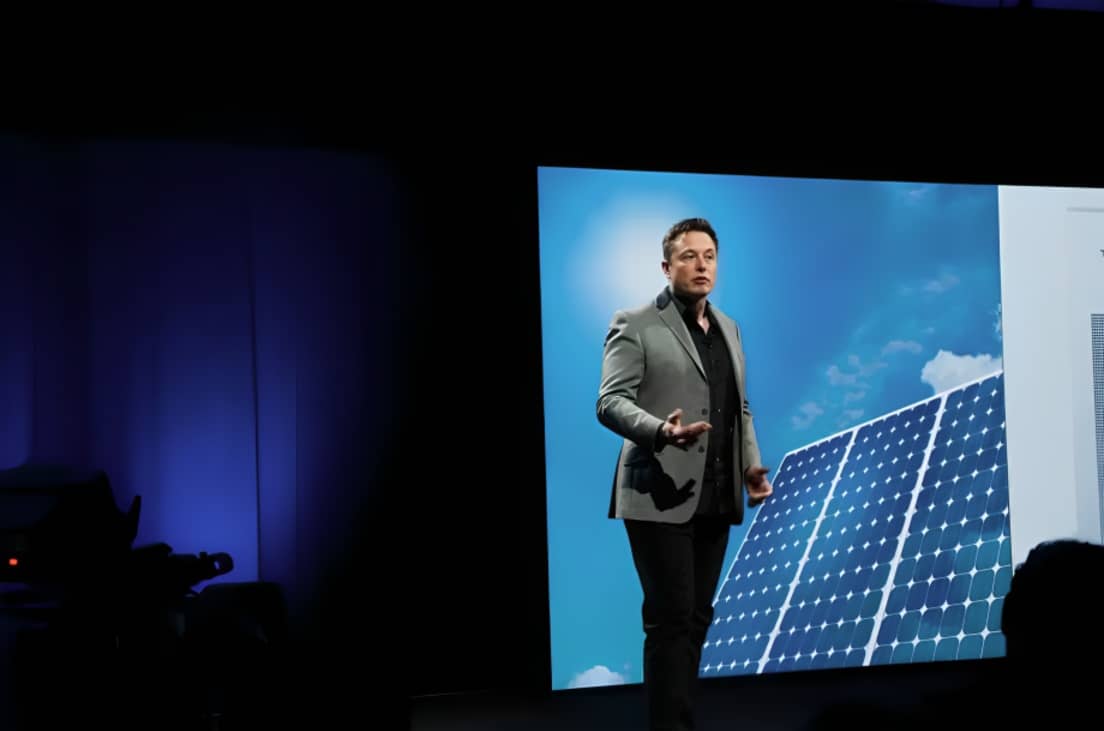
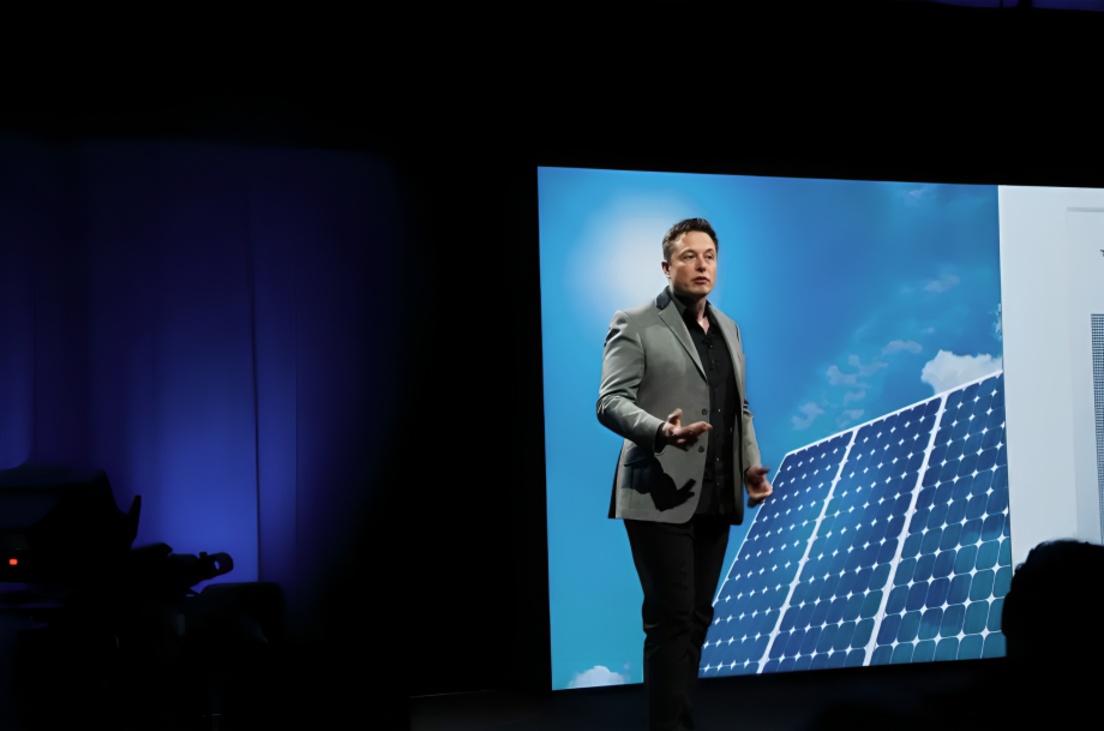
Elon Musk has raised a highly futuristic proposal for addressing long term climate risks, arguing that the transition to sustainable energy alone may not be enough to protect humanity from extremely severe future events.
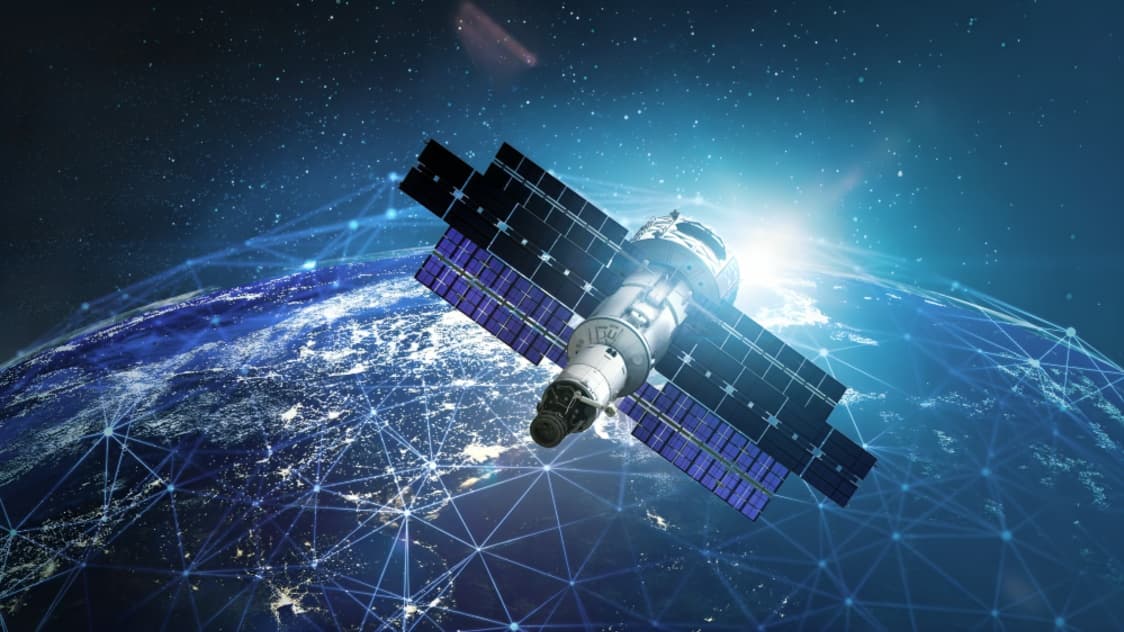
In recent posts on X, Musk said humanity could eventually need large scale geoengineering and space based systems capable of influencing the amount of solar energy reaching Earth. He described a concept involving AI powered satellites positioned around Earth Sun Lagrange points, where their position could allow them to influence incoming solar radiation.
Musk’s comments were presented as a long term technological vision rather than an existing operational programme. He suggested that so called sentient satellites could be launched towards Earth Sun Lagrange points using mass drivers constructed on the Moon. In his view, such a system could potentially help manage global warming for approximately one billion years.
The proposal is based on the broader concept of solar radiation management, in which the amount of sunlight reaching Earth could be modified to influence global temperatures. Space based approaches to this idea have been studied by researchers, although they remain at the conceptual and experimental research stage.
Musk also argued that humanity needs to act much sooner than any future space based solution could become practical. He referred to the risk of rising sea levels and said vulnerable coastal communities could face major consequences within decades if warming continues.
The comments came as Musk discussed what he described as threats extending beyond the current climate crisis. He said extremely severe extinction events occur on geological timescales and argued that humanity should prepare for risks that cannot be addressed simply by changing the energy system.
His comments do not mean that Musk is rejecting renewable energy. Instead, his argument is that cleaner energy sources may address some human driven climate pressures but may not protect Earth from every future source of warming or from natural planetary risks.
The distinction is important because climate change caused by greenhouse gas emissions and naturally occurring extreme events are different problems. Renewable energy, energy efficiency and emissions reductions are primarily intended to slow human caused global warming. Geoengineering ideas seek to alter the climate system directly and therefore involve a different set of risks and uncertainties.
Space based climate intervention is not entirely outside scientific research. NASA is currently studying a concept called DimSun that would use a controlled dust cloud near the Sun Earth L1 point to reduce incoming solar radiation. NASA describes the concept as an innovative approach to solar radiation management and estimates that it could reduce solar insolation by about 1.16 percent.
NASA’s DimSun concept is not the same as Musk’s proposal. NASA describes a controlled dust cloud supported by spacecraft, while Musk has suggested a large constellation of intelligent satellites. The comparison nevertheless shows that scientists are considering different theoretical ways of influencing the amount of sunlight reaching Earth.
Any large scale attempt to alter the planet’s energy balance would involve major scientific and political challenges. Small changes in solar radiation could potentially influence temperatures, rainfall patterns and atmospheric processes in different regions. A system capable of changing the climate globally would therefore require extensive modelling, monitoring and international oversight.
There would also be significant engineering difficulties. Building, launching and maintaining a very large number of sophisticated spacecraft would require enormous resources. The satellites would have to operate reliably for long periods while maintaining extremely precise positions.
The proposal to use lunar mass drivers introduces another major technological challenge. A mass driver is a proposed electromagnetic launch system designed to accelerate material from a planetary or lunar surface without conventional rockets. Although the concept has been studied theoretically, large scale operational lunar mass drivers do not currently exist.
Musk’s idea also depends on advanced artificial intelligence. His description of sentient satellites suggests spacecraft capable of continuously evaluating climate conditions and adjusting their behaviour. Such autonomy would require highly reliable sensing, control systems and safeguards because mistakes could have consequences on a planetary scale.
The proposal also raises questions about governance. Who would control a system capable of changing the planet’s temperature? How would countries agree on the desired climate outcome? What would happen if different regions experienced different effects? These questions are especially important because geoengineering could create winners and losers if temperature or precipitation patterns changed unevenly.
Another concern is that geoengineering should not become a substitute for reducing greenhouse gas emissions. Climate scientists and international organisations have generally emphasised emissions reductions and adaptation as the primary responses to climate change. Solar radiation management, where discussed, is generally considered a potential supplementary approach rather than a replacement for decarbonisation.
Musk’s comments therefore represent one possible future technology rather than an established solution. There is currently no operational satellite network capable of regulating Earth’s temperature in the way he described.
His statement that sustainable energy alone is insufficient also reflects his broader interest in long term planetary survival. Musk has frequently argued that humanity should develop technological capabilities that reduce existential risks, including the possibility of becoming a multiplanetary species.
The immediate climate challenge, however, remains much more conventional. Rising temperatures, sea level rise, extreme weather, melting glaciers and ecosystem changes are already affecting communities in many parts of the world. Musk’s own comments acknowledged this distinction by arguing that action is needed within roughly 50 years even if future space technology could provide a longer term solution.
His reference to Florida illustrates that concern. Musk shared an AI generated analysis discussing the possibility that a significant portion of Florida could be affected by sea level rise by around 2070 under a particular high rise scenario. The Economic Times noted that being described as underwater does not necessarily mean land would suddenly disappear beneath the sea. Impacts can include more frequent high tide flooding, stronger storm surge, rising groundwater and saltwater intrusion.
This distinction matters when interpreting Musk’s warning. Sea level rise is a gradual process that can create increasingly severe problems long before an area is permanently submerged.
The broader scientific debate over geoengineering remains unsettled. Supporters argue that carefully designed solar radiation management could potentially reduce warming relatively quickly if climate risks become extreme. Critics warn that it could create unintended consequences, alter precipitation patterns and create difficult questions about international responsibility.
Space based approaches introduce additional concerns. Large satellite constellations could affect astronomy and increase the amount of material placed in orbit. The European Southern Observatory recently warned that proposals involving extremely large numbers of satellites and mirrors could have serious consequences for astronomical observations.
That issue demonstrates the tradeoffs associated with large scale space infrastructure. A system designed to manage Earth’s climate would have to consider not only atmospheric effects but also orbital congestion, debris and the impact on scientific observations.
Musk’s proposal is therefore best understood as a speculative vision for a distant future. The technology needed to build and operate such a system is far beyond current deployment capabilities.
Nevertheless, the idea has attracted attention because it combines several areas of technological development that are advancing rapidly, including artificial intelligence, reusable launch systems, satellite manufacturing and lunar infrastructure.
SpaceX’s growth in launch technology has helped make ambitious orbital projects more plausible than they were decades ago. However, the existence of reusable rockets does not mean that a planetary climate control satellite system is close to becoming practical.
Musk’s comments also highlight a continuing tension between prevention and intervention in climate policy. One approach focuses on reducing emissions and adapting to climate impacts. Another considers technological intervention in the climate system itself.
For policymakers, the immediate priorities remain much clearer than Musk’s futuristic proposal. Governments must continue reducing greenhouse gas emissions, improving resilience, protecting vulnerable communities and investing in climate research.
At the same time, research into advanced climate technologies can continue under controlled scientific frameworks. Concepts such as NASA’s DimSun demonstrate that space based solar radiation management is being studied, even though significant technical, environmental and governance questions remain.
Musk’s one billion year reference should also be interpreted cautiously. It describes his proposed theoretical capability rather than a demonstrated scientific prediction that such a system can actually operate for that duration.
Similarly, his statement about sentient satellites is not an announcement of a confirmed SpaceX mission. Current reporting describes the concept as a speculative technological proposal rather than an approved operational programme.
The importance of the discussion lies less in whether Musk’s exact design will ever be built and more in the questions it raises about humanity’s future ability to manage planetary risks.
Artificial intelligence could make spacecraft more autonomous. Lunar infrastructure could eventually reduce the cost of sending material into space. Advances in propulsion and satellite manufacturing could also change the economics of large orbital systems.
Whether those technologies should be used to influence Earth’s climate is a separate question. Scientific evidence, international agreements and careful risk assessment would all be necessary before any large scale intervention could be considered.
For now, Musk’s message combines an immediate warning with a distant technological vision. He argues that humanity should continue developing sustainable energy while also preparing for climate and extinction risks that could require more radical solutions.
His proposal for AI powered satellites and lunar mass drivers remains theoretical, but it adds to a growing discussion about the role of space technology in addressing planetary challenges.
The practical response today remains focused on emissions reduction, climate adaptation and stronger scientific research. The space based geoengineering ideas described by Musk belong to a much longer time horizon and would require major breakthroughs before they could move beyond speculation.
The debate is likely to continue as climate change becomes more severe and technology advances. Musk’s latest comments have once again placed the idea of using space based systems to influence Earth’s climate into the public conversation, while also underscoring the limits of relying on any single technological solution to protect humanity from every future threat.