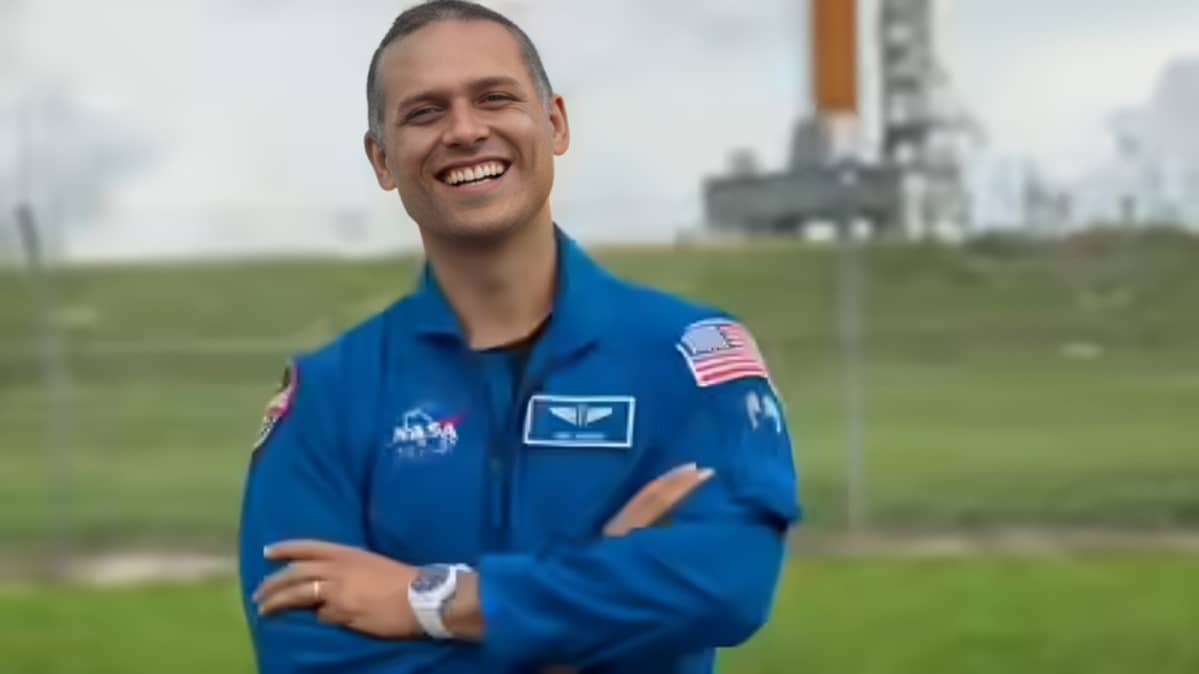

NASA astronaut Anil Menon is preparing for a significant milestone in his career as he gets ready to embark on his first mission to the International Space Station. The Indian-origin astronaut is scheduled to launch on July 14, 2026, aboard the Roscosmos Soyuz MS-29 spacecraft for a mission expected to last about eight months.
The mission marks Menon's first journey into space since joining NASA's astronaut corps. During his stay aboard the International Space Station, he will participate in scientific experiments, technology demonstrations, maintenance activities, and international research projects designed to advance knowledge in space science and human spaceflight.
Anil Menon brings extensive experience in medicine, aerospace engineering, and space operations. Before becoming a NASA astronaut, he worked as a physician specializing in emergency medicine and aerospace medicine. His multidisciplinary background has enabled him to contribute to both human health research and space exploration programs.
Menon was selected as a NASA astronaut after years of professional experience in medicine and engineering. Prior to his astronaut selection, he worked closely with commercial spaceflight programs, supporting astronaut health and mission planning. His expertise in aerospace medicine has been valuable in preparing astronauts for the physical demands of space travel.
The upcoming mission will see Menon travel aboard the Soyuz MS-29 spacecraft operated by Roscosmos, Russia's state space corporation. He will share the mission with Russian cosmonauts as part of the ongoing international cooperation that continues aboard the International Space Station.
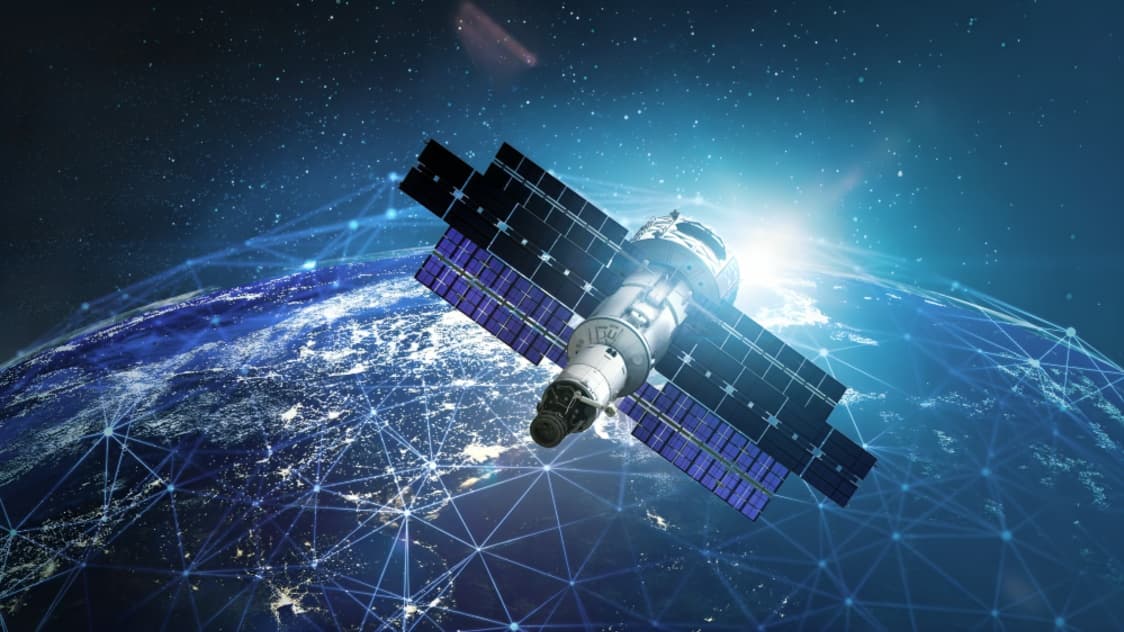
The International Space Station serves as a permanently inhabited laboratory orbiting Earth at an altitude of approximately 400 kilometers. Scientists and astronauts from multiple countries conduct research in areas including biology, medicine, physics, materials science, Earth observation, and technology development. Many experiments conducted in microgravity contribute to advances that may benefit life on Earth as well as future deep-space missions.
During the mission, Menon is expected to assist with scientific investigations examining the effects of long-duration spaceflight on the human body, plant growth in space, advanced manufacturing techniques, and other research projects. Astronauts aboard the station also perform maintenance tasks, operate robotic systems, and participate in educational outreach activities.
International cooperation remains a defining feature of the International Space Station program. NASA works closely with Roscosmos, the European Space Agency, the Japan Aerospace Exploration Agency, and the Canadian Space Agency to operate the orbiting laboratory. Joint missions demonstrate the continued importance of scientific collaboration despite broader geopolitical differences.
Menon's mission is also expected to inspire students and aspiring scientists, particularly those of Indian origin, who see his achievements as an example of excellence in science, engineering, and medicine. His journey highlights the growing contributions of professionals with Indian heritage to global space exploration.
NASA continues to expand its human spaceflight program through missions to the International Space Station while simultaneously preparing for future Artemis missions to the Moon and eventually human exploration of Mars. Experience gained during long-duration missions such as Menon's will contribute to planning these future expeditions.
As launch preparations continue, NASA and Roscosmos teams are completing final training, spacecraft inspections, and mission readiness procedures. The mission represents another important step in international space research and the continued advancement of scientific knowledge through human spaceflight.