NASA's Swift Space Telescope Re-enters Earth's Atmosphere Over Indonesia After Nearly 22 Years in Space
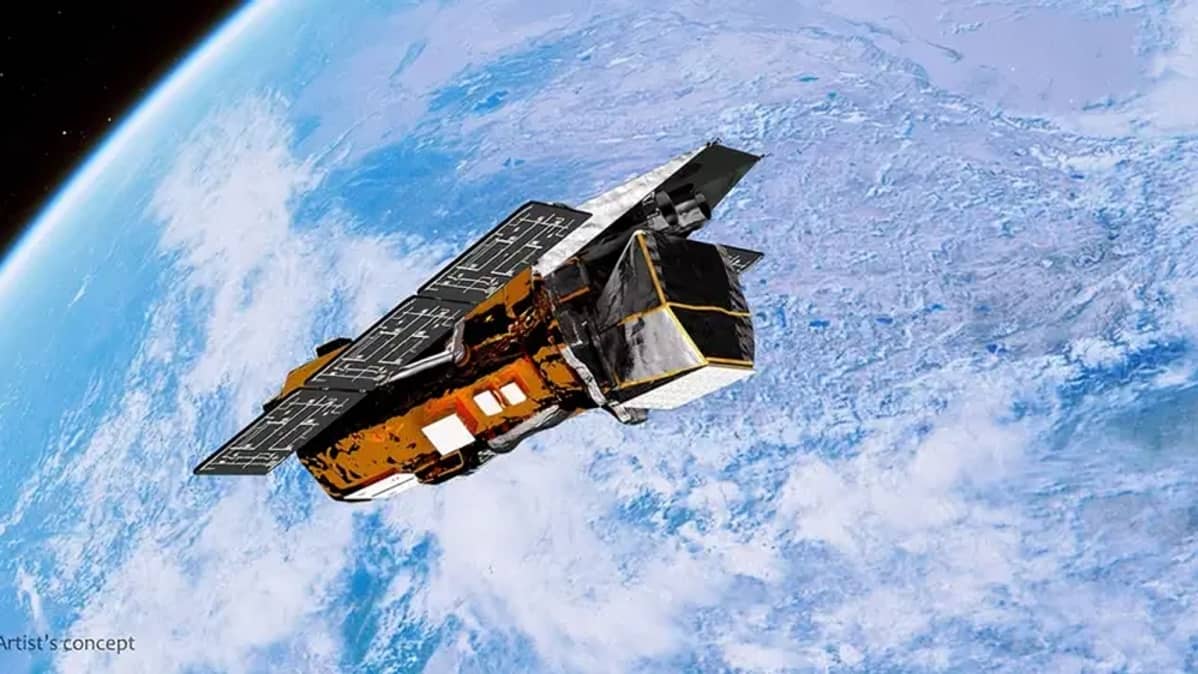
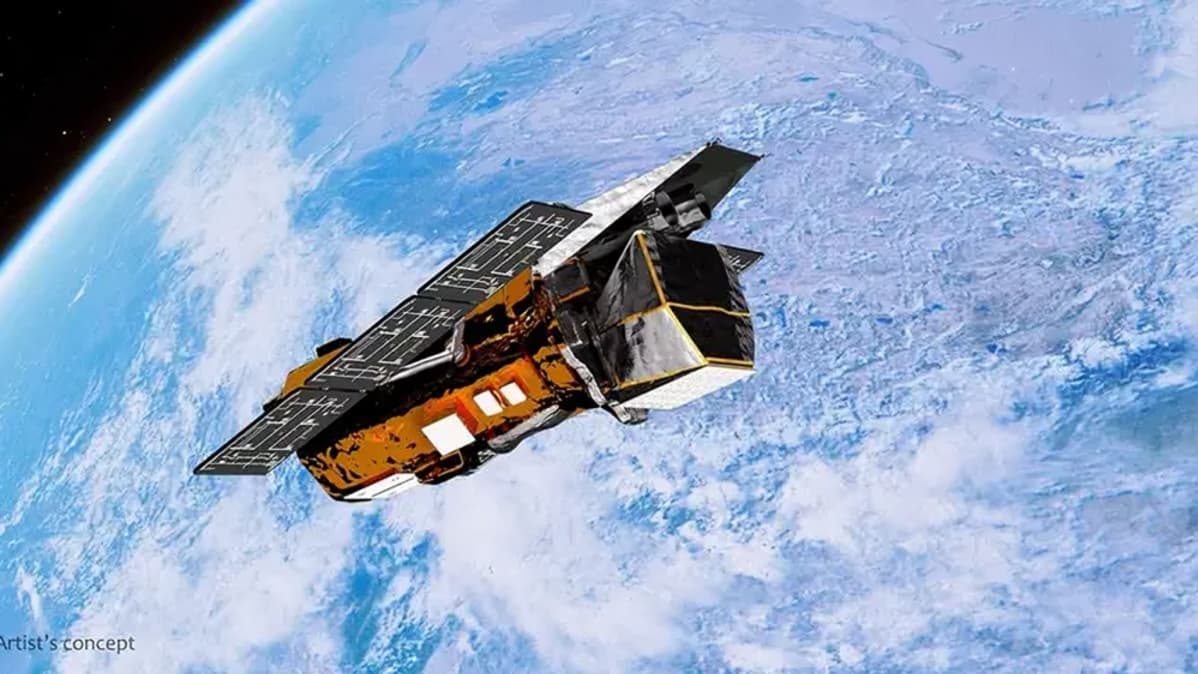
NASA's Neil Gehrels Swift Observatory has re-entered Earth's atmosphere after spending nearly 22 years in space, bringing an end to a mission that significantly contributed to the study of powerful cosmic explosions. The 3,200-pound spacecraft returned to Earth over northern Sumatra, Indonesia, on November 4, 2026, following an unsuccessful attempt to prevent its uncontrolled descent.
The space telescope had been operating far beyond its original planned lifespan. Launched on November 20, 2004, Swift was initially designed for a primary mission lasting two years. However, it continued functioning for almost 22 years and became an important instrument for astronomers studying high-energy events across the universe.
NASA estimated that most of the spacecraft would burn up as it passed through Earth's atmosphere. However, some components could potentially survive re-entry and reach the surface. The agency estimated that the probability of someone on Earth being harmed by falling debris was approximately one in 2,100.
Swift Telescope's Final Journey Back to Earth
The re-entry of the Swift Observatory followed months of concern about its deteriorating orbit. As the spacecraft's orbit gradually declined, the possibility of an uncontrolled return to Earth became a major concern for NASA.
The agency had attempted to explore options to save the observatory from its descent. However, the rescue effort was unsuccessful, and the spacecraft eventually returned to Earth's atmosphere.
NASA initially predicted that re-entry would occur at approximately 3:30 am Eastern Time on November 4, 2026. However, the prediction carried an uncertainty window of around 11 hours because of the difficulties involved in determining the exact timing of an uncontrolled atmospheric re-entry.
Subsequent tracking information placed the actual re-entry at approximately 7:39 am Eastern Standard Time over northern Sumatra, Indonesia.
The final descent was monitored using data from the US Space Force. NASA and the Aerospace Corporation also followed the spacecraft's movement as it approached Earth's atmosphere.
NASA Estimates Risk From Falling Space Debris
Although most of the Swift Observatory was expected to burn up during atmospheric re-entry, NASA assessed the possibility that some debris could survive and reach the ground.
The agency estimated the risk of an individual being harmed by falling debris at approximately one in 2,100. This estimate highlighted the potential public safety concerns associated with the uncontrolled return of large spacecraft.
The spacecraft weighed approximately 3,200 pounds, making its re-entry an event that required careful tracking and risk assessment.
NASA monitored the spacecraft's final descent with the support of tracking information from the US Space Force and the Aerospace Corporation. These organisations helped assess the spacecraft's location and estimate when it would enter Earth's atmosphere.
The reported re-entry over northern Sumatra marked the end of the observatory's journey in orbit. The available information does not confirm whether any surviving debris reached populated areas or caused damage on the ground.
Launched in 2004 With a Two-Year Mission Plan
The Neil Gehrels Swift Observatory was launched on November 20, 2004. At the time of its launch, the spacecraft was designed to operate for a primary mission period of approximately two years.
However, the observatory continued functioning well beyond that planned duration. Its nearly 22 years in orbit made it a long-running space science mission and allowed researchers to collect valuable observations over an extended period.
Swift became an important tool for studying high-energy events in the universe. Its observations helped scientists investigate powerful cosmic explosions and improve their understanding of some of the most energetic phenomena in space.
The mission's extended operational life also allowed astronomers to observe events over many years, providing scientific information that would not have been possible from a short-duration mission alone.
Understanding the Importance of the Swift Observatory
The Swift Observatory was designed to study gamma-ray bursts and other high-energy astronomical events. Gamma-ray bursts are extremely powerful explosions that release large amounts of energy over relatively short periods.
Studying these events helps astronomers investigate the extreme conditions and processes that occur across the universe.
Swift's observations contributed to the understanding of these powerful cosmic events and helped scientists identify and study their sources. Its long operational period made it a valuable part of astronomical research.
The observatory's work also demonstrated the scientific value of extending space missions beyond their original design lifetimes when spacecraft remain capable of performing useful observations.
Failed Rescue Effort Before Re-entry
The spacecraft's return to Earth followed an unsuccessful rescue mission that was intended to prevent its uncontrolled descent.
The available information describes the rescue attempt as involving an estimated cost of around 30 million dollars. Despite the effort, the observatory could not be saved from re-entry.
The failure of the rescue effort brought attention to the challenges of managing ageing spacecraft in orbit. As satellites and observatories remain in space for extended periods, changes in their orbits can eventually create the risk of uncontrolled atmospheric re-entry.
The Swift mission's final descent also highlighted the importance of tracking space objects and assessing the potential risks associated with falling debris.
End of a Nearly 22-Year Space Mission
The re-entry of NASA's Neil Gehrels Swift Observatory marks the conclusion of a space science mission that lasted almost 22 years, far exceeding its original two-year plan.
During its operational life, the telescope helped scientists study some of the universe's most powerful explosions and contributed to high-energy astronomical research.
Its final return over Indonesia followed months of monitoring and an unsuccessful rescue attempt. NASA and other tracking organisations followed the spacecraft's descent and assessed the potential risks from surviving debris.
Although the observatory has now completed its journey in orbit, the scientific observations collected during its mission remain an important part of astronomical research. Its extended service demonstrates how long-running space missions can contribute valuable knowledge well beyond their original operational expectations.