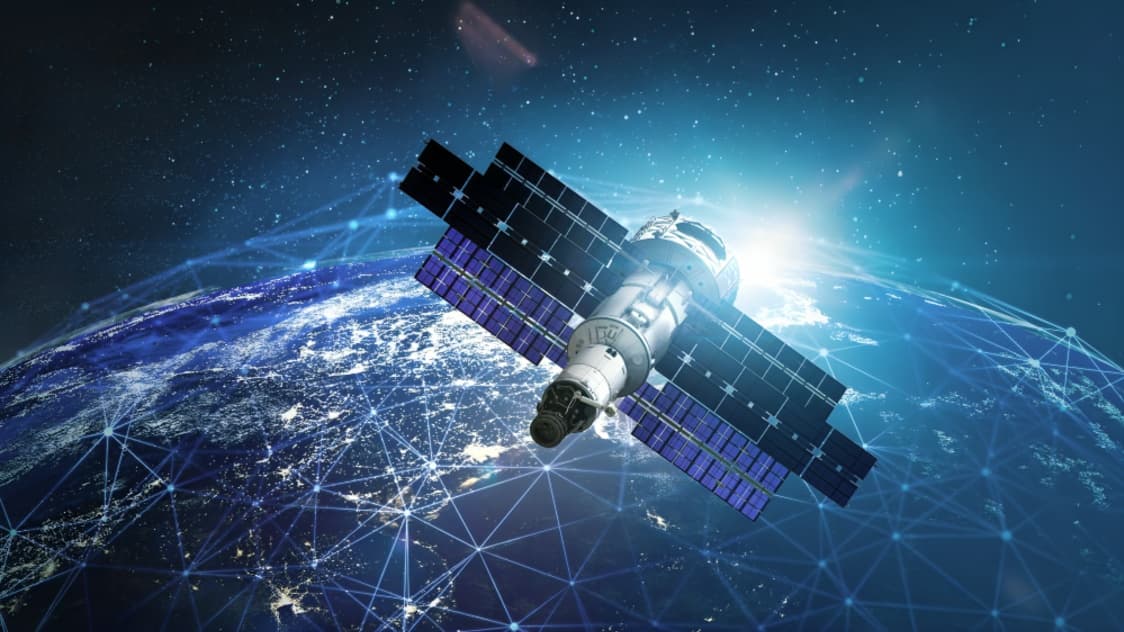
A groundbreaking space mission has been launched by a group of scientists with the aim of exploring the possibilities of growing food and generating fuel in space. This pioneering initiative is designed to address one of the biggest challenges in long-term space travel—sustainability and self-sufficiency.
The mission involves sending a variety of biological samples, including seeds and algae, into Earth’s orbit to test how they grow and survive in a microgravity environment. These experiments are expected to yield valuable data that could support the future of space agriculture and biofuel production, especially for missions to the Moon, Mars, and beyond.
The scientists behind the mission believe that learning to grow food in space is not only critical for the survival of astronauts on long-duration missions but also important for reducing dependence on supply deliveries from Earth. If food and fuel can be produced in orbit or on other planets, space missions could become significantly more sustainable and cost-effective.
The research will focus on how plants adapt to microgravity and how space radiation affects their growth. Special growth chambers have been installed onboard the space module to monitor root development, photosynthesis, and energy conversion processes in algae. These experiments will help scientists understand how to replicate Earth's conditions in space environments and optimize growth systems for confined and controlled habitats.
Moreover, algae are being studied for their dual purpose. Not only are they considered a rich food source, but certain species of algae can also be processed into biofuels. This could allow future spacecraft to generate their own energy, potentially revolutionizing how we power systems in space.
The mission is part of a broader international collaboration between space agencies, research institutions, and universities, showcasing the global interest in advancing space agriculture. Experts believe that successful outcomes from these trials could lead to the development of space farms that could support human colonies on the Moon or Mars within the next few decades.
While the immediate focus is on space applications, the findings could also influence agricultural practices on Earth. The development of more resilient crops and efficient energy systems may have benefits for regions affected by climate change, drought, and food insecurity.
As the mission progresses, updates are expected to shed light on the practical challenges and breakthroughs in growing life beyond Earth—a step closer to making space habitable for humans in the long term.