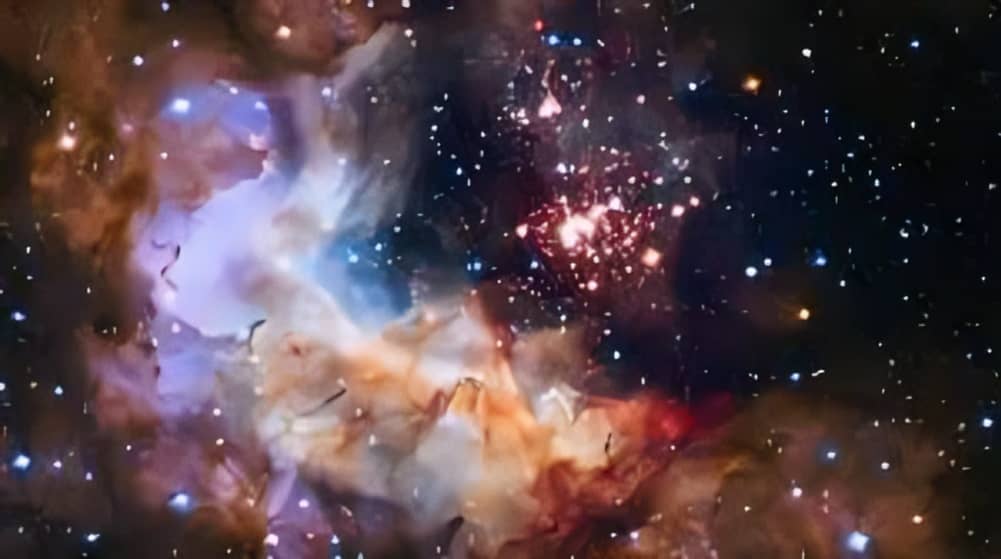
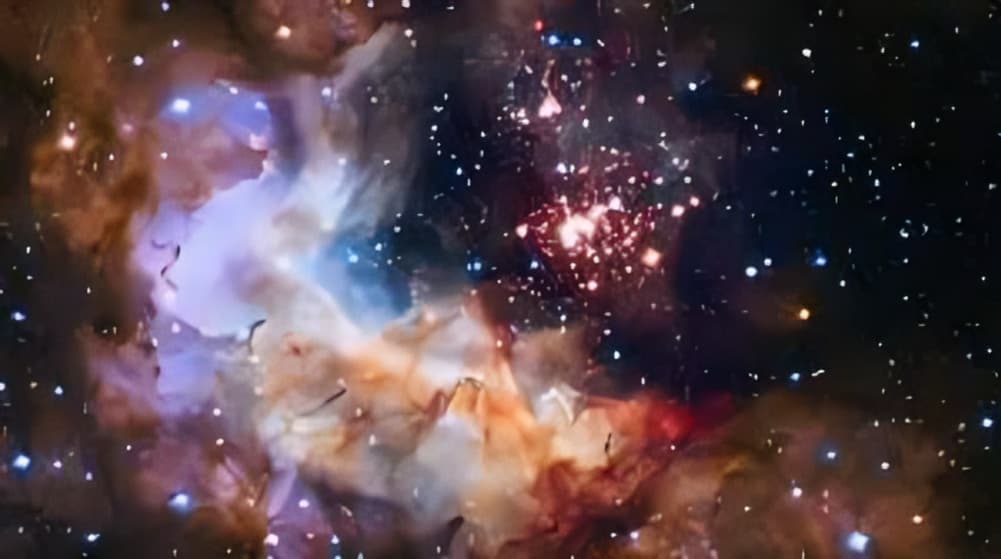
The NASA Hubble Space Telescope has played a transformative role in advancing our understanding of the universe, capturing breathtaking images of distant celestial objects since its launch in 1990. Among its most remarkable achievements are detailed photographs of nebulae, vast clouds of gas and dust where stars are born and evolve. These images combine scientific value with extraordinary visual beauty.
Nebulae are critical to the life cycle of stars. Some serve as stellar nurseries, where new stars form from collapsing gas and dust, while others are remnants of dying stars, marking the final stages of stellar evolution. Hubble’s high-resolution instruments allow astronomers to study these processes in unprecedented detail, revealing complex structures shaped by gravity, radiation, and magnetic fields.
One of the most iconic nebula images captured by Hubble is the Pillars of Creation, located in the Eagle Nebula. The towering columns of gas and dust showcase active star formation, with young stars hidden within dense clouds. This image has become a symbol of modern astronomy and demonstrates how Hubble can peer into regions previously obscured from view.
Another notable image is the Carina Nebula, a massive star-forming region filled with dramatic dust lanes and luminous stars. Hubble’s observations have helped scientists study the intense radiation from massive stars and its impact on surrounding gas clouds. The resulting images reveal intricate details that were once impossible to observe.
The Ring Nebula, a planetary nebula formed from the remains of a dying star, offers a glimpse into the future of stars like our Sun. Hubble’s images show a glowing shell of gas expanding into space, providing valuable information about stellar death and chemical enrichment of the galaxy.
The Lagoon Nebula is another example of Hubble’s ability to capture vast cosmic landscapes. This nebula combines young stars, glowing gas, and dark dust clouds in a single frame, allowing astronomers to study the interaction between newborn stars and their environments.
Hubble has also photographed the Crab Nebula, the remnant of a supernova explosion observed on Earth nearly a thousand years ago. The image reveals a complex web of filaments and energetic particles, offering insight into the violent processes that occur when massive stars explode.
In addition, the Helix Nebula, often called the Eye of God, showcases the intricate structure of a planetary nebula shaped by stellar winds and radiation. Hubble’s detailed view has helped scientists better understand how such structures form and evolve.
These seven nebula images highlight Hubble’s enduring impact on astronomy. Beyond their aesthetic appeal, they serve as essential tools for scientific research, helping astronomers explore the origins of stars, the dynamics of galaxies, and the fundamental processes shaping the universe. As Hubble continues to operate alongside newer telescopes, its legacy remains central to humanity’s quest to understand the cosmos.