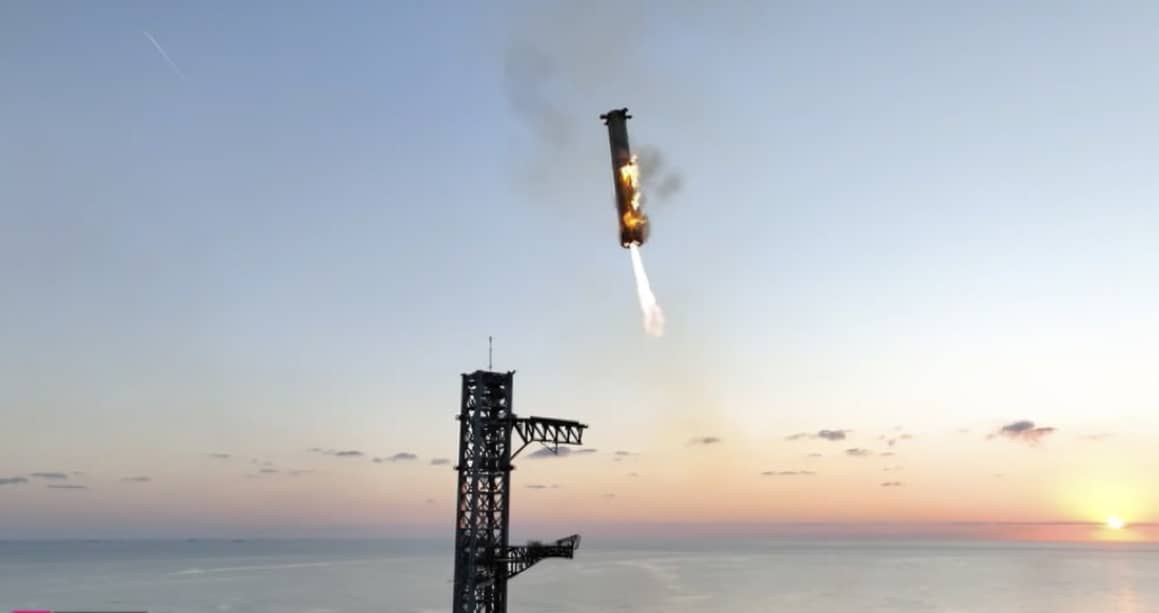

SpaceX is preparing for another major milestone in its Starship development programme with an upcoming test flight that could feature the company's first attempt to recover the Starship vehicle using the launch tower. If successful, the mission would represent an important advancement in SpaceX's long term goal of developing a fully reusable space transportation system.
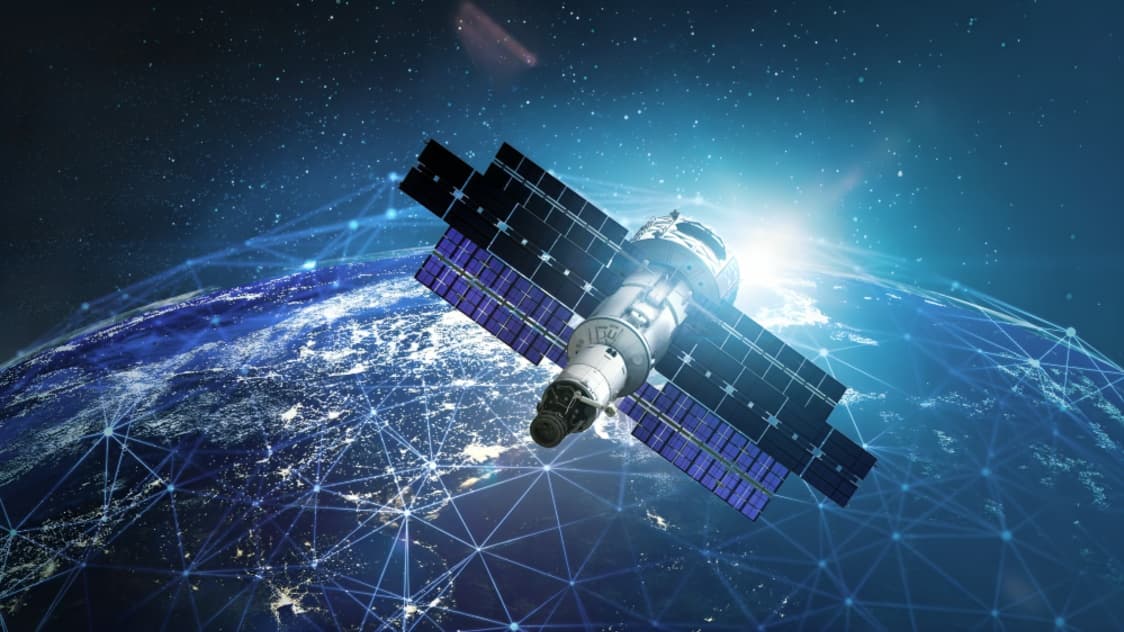
The planned test flight is expected to include two key objectives. The first is an attempt to catch the returning Starship vehicle using the launch tower's mechanical arms instead of allowing it to land using traditional methods. The second objective involves deploying upgraded Version 3 Starlink satellites that are designed to improve broadband capacity and enhance the performance of SpaceX's growing satellite internet constellation.
The tower catch system is one of the most innovative elements of the Starship programme. Instead of landing on conventional landing legs, the spacecraft is designed to descend in a controlled manner and be captured by specially engineered mechanical arms attached to the launch tower. SpaceX believes this approach could significantly reduce the time required to prepare the vehicle for future missions while supporting rapid reusability.
Rapid reusability has been a central objective of the Starship programme since its inception. By reducing refurbishment time and minimizing operational costs, SpaceX aims to make frequent launches more practical for commercial, scientific, and government missions. The company also plans to use Starship for future lunar missions under NASA's Artemis programme and eventually for human missions to Mars.
The upcoming mission is also expected to carry upgraded Version 3 Starlink satellites. These next generation satellites are designed to provide greater communication capacity, improved network efficiency, and enhanced broadband services for customers around the world. As the Starlink constellation continues to expand, the upgraded satellites are expected to support increasing demand for high speed internet connectivity.
SpaceX has steadily expanded its Starlink network over recent years, providing internet access to residential users, businesses, maritime operators, airlines, emergency response agencies, and remote communities that have limited access to conventional broadband infrastructure.
The Starship system itself is the largest and most powerful launch vehicle ever developed by SpaceX. It consists of the Super Heavy booster and the Starship upper stage, both of which are designed for full reusability. The company has conducted multiple test flights to validate various aspects of the vehicle's performance, including launch operations, stage separation, controlled descent, and recovery techniques.
Each test mission provides engineers with valuable flight data that is used to improve future versions of the spacecraft. SpaceX has consistently emphasized that test flights are intended to accelerate development by identifying engineering challenges under real operating conditions.
Industry experts believe that a successful tower catch would represent another important step toward reducing launch costs and increasing launch frequency. A fully reusable launch system has the potential to transform space transportation by making satellite deployment, scientific research, deep space exploration, and commercial missions significantly more affordable.
The mission will also be closely monitored by NASA, commercial satellite operators, aerospace companies, and the global space community because many future exploration programmes depend on the continued advancement of reusable launch technologies.
As with all experimental space missions, the outcome of the test will depend on multiple technical and operational factors. SpaceX has stated that safety and data collection remain the primary objectives of every Starship test flight. Regardless of the final outcome, the mission is expected to contribute valuable engineering knowledge that will support the continued development of one of the world's most ambitious space transportation systems.