A rare total solar eclipse is taking place on August 12, 2026, offering skywatchers across several parts of the world an opportunity to witness one of nature's most dramatic astronomical events.
During a total solar eclipse, the Moon passes directly between the Earth and the Sun and completely blocks the Sun's visible disk for observers located within the narrow path of totality. The daytime sky can become noticeably darker, temperatures may temporarily fall and the Sun's outer atmosphere, known as the corona, can become visible during totality.
According to NASA, the August 12 eclipse will cross northern Russia, Greenland, Iceland, the Atlantic Ocean, Spain and a small part of Portugal. A much wider region will experience a partial eclipse.
Where Will the Total Eclipse Be Visible
The total phase of the eclipse will be visible only along a relatively narrow path.
Northern Russia, Greenland and Iceland are among the locations along the path of totality. The eclipse will then move across the Atlantic before reaching parts of Spain and a very small area of northeastern Portugal.
Spain is expected to be one of the most prominent viewing destinations because the eclipse will cross several parts of the country. Large numbers of visitors have travelled to northern and central Spain to observe the event.
Authorities in Spain have prepared for large crowds and have designated observation areas in several locations. The eclipse is also occurring during a period of high summer temperatures and elevated wildfire concerns, making general travel and outdoor safety particularly important.
Iceland and Greenland
Iceland is another major location along the path of totality. The eclipse will be visible from western parts of the country, although cloud cover can affect viewing conditions.
Greenland will also experience totality across portions of the island. Because of its geographic location and generally remote terrain, viewing conditions can vary significantly depending on the exact location.
Astronomers and eclipse observers have been preparing for the event well in advance because total solar eclipses are relatively rare at any particular location.
How Long Will the Sky Remain Dark
The duration of totality differs from one location to another.
Near the point of greatest eclipse, totality will last for more than two minutes. In other locations, the period of complete solar coverage will be shorter.
For example, the total phase in parts of Iceland can last around one to two minutes depending on the precise viewing location. The eclipse will also occur relatively close to sunset in Spain, creating a distinctive viewing experience.
The phrase two minutes of darkness refers to the period of totality at favourable locations and should not be interpreted as the entire eclipse lasting only two minutes. The partial phases begin earlier and continue after totality.
Partial Eclipse Across Wider Regions
People outside the narrow path of totality will not see the Sun completely covered.
Instead, they may see a partial solar eclipse, during which the Moon covers only part of the Sun.
A partial eclipse will be visible across large areas of Europe, parts of North Africa and portions of northern North America. The exact appearance and timing will depend on the observer's location.
The degree of solar coverage can vary considerably from one location to another.
What Happens During Totality
A total solar eclipse occurs when the apparent size of the Moon is large enough to completely cover the Sun's bright surface.
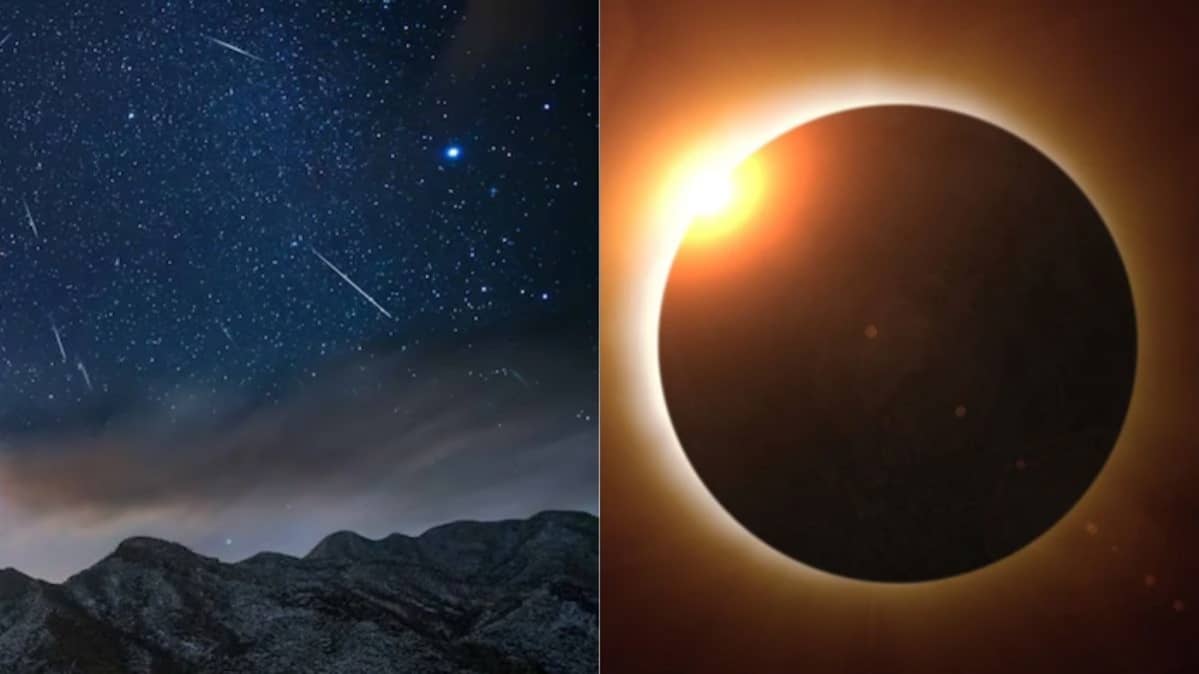
As totality approaches, the sky gradually becomes darker. Once the Sun is completely covered, observers within the path of totality can see the solar corona surrounding the dark lunar disk.
Some bright stars and planets may also become visible during the brief period of totality.
Birds and other animals can sometimes respond to the sudden change in daylight, although the behaviour varies depending on species and environmental conditions.
Scientists also use eclipses to study the Sun's outer atmosphere and the effects of changing solar radiation on Earth's atmosphere.
Solar Eclipse Safety Rules
The most important rule for watching a solar eclipse is to protect your eyes.
Looking directly at the Sun without appropriate protection can cause serious and potentially permanent eye injury.
During the partial phases of the eclipse, ordinary sunglasses are not a safe substitute for proper solar viewing equipment.
Observers should use eclipse glasses or solar viewers that meet recognised safety standards. NASA advises that viewers should never look directly at the uneclipsed or partially eclipsed Sun through ordinary sunglasses, cameras, binoculars or telescopes without appropriate solar filters.
Special Care With Cameras and Telescopes
People planning to photograph the eclipse should take additional precautions.
Looking at the Sun through an optical device such as binoculars or a telescope without a properly installed solar filter can cause severe eye damage.
Solar filters must be designed specifically for the equipment being used and should be installed correctly before viewing.
Smartphone cameras can also be damaged if pointed directly at the Sun for extended periods without appropriate protection.
Do Not Look Directly at the Sun
During the partial phase, the Sun remains bright even when a large portion of its surface is covered by the Moon.
This means that ordinary sunglasses do not provide adequate protection.
The only time observers within the path of totality can safely look directly at the Sun without solar viewing glasses is during the brief period when the Sun is completely covered by the Moon.
Solar viewing protection must be put back on before totality ends and the bright portion of the Sun becomes visible again.
Why the 2026 Eclipse Is Important
The August 12, 2026 eclipse is particularly significant because it provides a total eclipse across parts of Europe.
Spain is receiving major attention because the event will cross a substantial part of the country. Iceland and Greenland are also among the key locations for totality.
The event is expected to attract astronomers, photographers, researchers and tourists from around the world.
In Spain, authorities have prepared for large crowds and increased traffic in popular viewing locations. The eclipse has also generated significant interest among tourism operators and local communities.
India and the Eclipse
The total phase of the August 12 eclipse is not visible from India.
The main path of totality passes through northern Russia, Greenland, Iceland, Spain and northeastern Portugal. The wider partial eclipse visibility also does not make India a primary viewing location for this total eclipse.
Indian viewers can instead follow official livestreams and astronomical broadcasts to watch the event remotely.
NASA and other scientific organisations are providing coverage and observations of the eclipse.
A Major Scientific Opportunity
Solar eclipses provide researchers with opportunities to study the Sun and its atmosphere.
During totality, the bright solar surface is blocked, allowing scientists to observe features of the corona that are normally difficult to see from Earth.
NASA has planned scientific observations using aircraft and other instruments during the August 12 event. Research teams are expected to collect information about the atmosphere and solar environment as the Moon's shadow moves across Earth.
What Happens After the Eclipse
The August 12 total solar eclipse will not be the last major solar eclipse visible from parts of the world.
According to NASA's eclipse information, another total solar eclipse will occur on August 2, 2027. That event will have a path crossing parts of North Africa and the Middle East.
However, each eclipse has a different path and viewing conditions, making every event unique.
Conclusion
The August 12, 2026 total solar eclipse is one of the year's major astronomical events. Totality will cross northern Russia, Greenland, Iceland, Spain and a small portion of Portugal, while a partial eclipse will be visible across a much broader region.
The period of complete darkness will last only briefly, with the longest totality exceeding two minutes at favourable locations. However, the entire eclipse, including its partial phases, will last considerably longer.
Anyone watching the eclipse should prioritise eye safety and use certified solar viewing equipment. People outside the path of totality can also follow the event through official livestreams and scientific broadcasts.