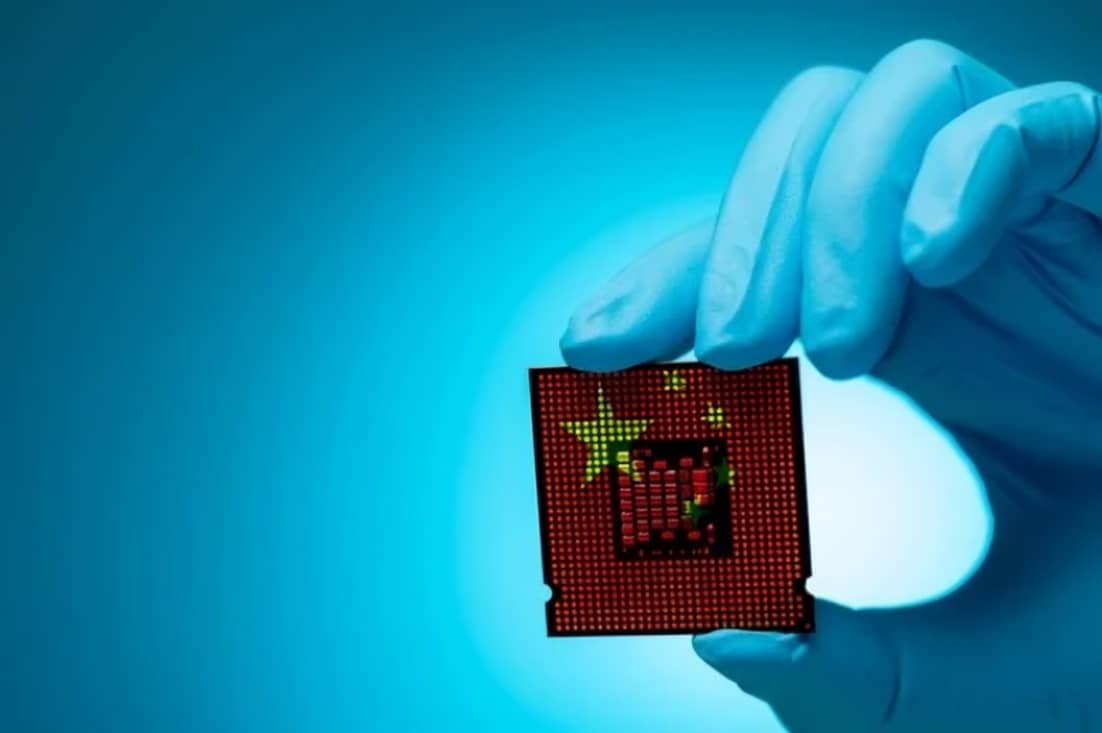
China has reportedly achieved a major milestone in the field of high-performance computing, with its LineShine supercomputer taking the top position in global rankings and surpassing the United States-based El Capitan system. The development reflects the intensifying competition among major economies to lead in advanced computing technologies that support scientific research, artificial intelligence, national security, and industrial innovation.
Supercomputers are among the most powerful computing systems in the world. They are designed to process vast amounts of data and perform complex calculations at extremely high speeds. These systems are used in a wide range of applications, including climate modeling, medical research, aerospace engineering, artificial intelligence development, energy exploration, and advanced manufacturing.
The rise of LineShine to the top of international rankings is being viewed as a significant achievement for China's technology sector. Analysts believe the accomplishment demonstrates the country's growing ability to develop advanced computing infrastructure using increasingly sophisticated domestic technologies.
In recent years, China has invested heavily in research and development programs aimed at strengthening its technological capabilities. Government initiatives have focused on semiconductor manufacturing, artificial intelligence, quantum computing, advanced telecommunications, and high-performance computing systems. These efforts are part of a broader strategy to reduce reliance on foreign technologies and improve technological self-sufficiency.
The competition between China and the United States in supercomputing has intensified over the past decade. Both countries have invested substantial resources in developing increasingly powerful computing systems capable of supporting scientific breakthroughs and strategic applications.
High-performance computing plays a critical role in modern research and innovation. Scientists use supercomputers to simulate weather patterns, analyze genetic data, model complex engineering projects, and accelerate the development of new materials and medicines. Artificial intelligence applications also depend heavily on powerful computing infrastructure to train advanced machine learning models and process large datasets.
Industry experts note that leadership in supercomputing often reflects broader technological strength. Nations with advanced computing capabilities are generally better positioned to support innovation, scientific discovery, and emerging industries that rely on large-scale data processing.
The reported success of LineShine may also have implications for the global semiconductor industry. Advanced supercomputers require highly sophisticated processors, memory systems, and networking technologies. Progress in these areas is often viewed as an indicator of a country's overall technological development and manufacturing capabilities.
Meanwhile, the United States continues to maintain a strong presence in the global supercomputing landscape. American institutions, research laboratories, and technology companies remain among the world's leading developers of advanced computing systems. The competition between the two countries is expected to drive further innovation and investment in next-generation technologies.
Experts believe that advancements in supercomputing will become increasingly important as demand grows for artificial intelligence, data analytics, scientific research, and digital transformation initiatives. Governments and private organizations worldwide are investing heavily in computing infrastructure to remain competitive in these rapidly evolving sectors.
The achievement of a new top-ranked supercomputer also highlights the pace of technological progress in the industry. Computing performance continues to improve as researchers develop more efficient architectures, faster processors, and enhanced software capabilities.
As nations compete for leadership in high-performance computing, the development of systems such as LineShine demonstrates the strategic importance of technological innovation in shaping future economic growth, scientific advancement, and global competitiveness.