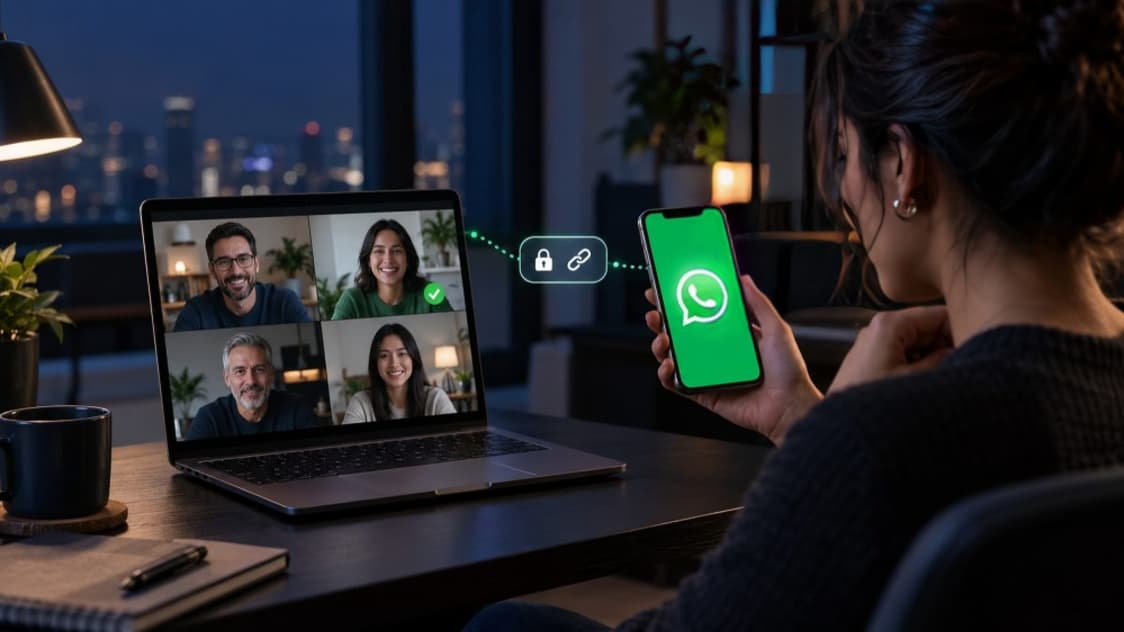
WhatsApp is working on a new Guest Calls feature that could make it possible for people without a WhatsApp account to join voice and video calls through a web link. The feature is currently under development and was spotted by WhatsApp feature tracker WABetaInfo.
The proposed feature would expand WhatsApp's existing call link functionality. At present, WhatsApp users can create links for calls, while the company has also expanded voice and video calling through WhatsApp Web. In July 2026, WhatsApp officially introduced web calling, allowing users to make and receive one to one and group audio and video calls directly from a browser without installing the desktop application.
The new Guest Calls feature would take that capability a step further by allowing people who do not have a WhatsApp account to participate in calls. According to reports based on the feature's development, a WhatsApp user could create a call link from the Calls section and share it with another person through a messaging service, email or another communication platform.
The recipient would then be able to open the link in a web browser. Instead of being required to download WhatsApp or create an account, the person could potentially enter the call as a guest.
This could be particularly useful when a person needs to speak with someone who does not use WhatsApp. At present, asking a non user to join a WhatsApp call can require them to install the application and create an account. The proposed guest system could remove that additional step.
However, the feature is not yet available as a general WhatsApp release. WABetaInfo reported on September 6 that WhatsApp is testing guest calls, while other reports said the functionality remains in development and had not yet reached beta testers widely.
The planned system is expected to give the person who creates the call greater control over participants. Reports indicate that the host could manually approve guests before they enter the call. This would provide an additional layer of control because people joining through a shared link would not necessarily have an existing WhatsApp identity that could be verified through the normal account system.
The host may also be able to remove a guest from the call if necessary. Reports indicate that a removed participant would need another invitation link to attempt to join again. These controls could help reduce the possibility of unwanted participants entering a call through a shared link.
Privacy and security are also important aspects of the proposed feature. According to reports, WhatsApp could use a temporary identifier generated by the guest's browser session to help establish the encryption keys required for the call.
This approach would allow the guest to participate without having a permanent WhatsApp account. Reports indicate that the calls are expected to retain end to end encryption, similar to WhatsApp's existing calling system. However, the final implementation could change before the feature is officially released.
WhatsApp has increasingly expanded its browser-based communication capabilities. Its July 2026 web calling update introduced audio and video calls directly through WhatsApp Web. The company said web calls are end to end encrypted and can be used without downloading the WhatsApp desktop application.
The Guest Calls development appears to build on this browser-first approach. Instead of requiring every participant to have the WhatsApp application, the proposed system could allow occasional participants to access a call through their browser.
This could be useful in several situations. For example, a person could invite a colleague who does not use WhatsApp, a customer who does not want to install another application, or a family member who only needs to participate in a single conversation.
The feature could also make WhatsApp more competitive with communication platforms that already allow people to join meetings through browser links. Services such as Google Meet and Zoom have traditionally made guest participation possible without requiring every participant to maintain a full account on the service.
For WhatsApp, the change could potentially expand the reach of its calling platform beyond its existing account base. The company already has a large global user base, but a guest calling system could make its communication services accessible to people who have not signed up for the platform.
The development follows WhatsApp's earlier introduction of Guest Chats. In March 2026, WhatsApp began rolling out a feature that allowed some users to invite people without WhatsApp accounts into temporary text conversations through secure web links. Guest Chats were designed to provide limited communication without requiring the recipient to download the application or create an account.
Guest Calls could represent an extension of the same concept from text messaging to voice and video communication. The two features share the broader objective of allowing WhatsApp users to communicate with people outside the platform's traditional account system.
There are still several questions about how Guest Calls will work when it reaches a wider audience. WhatsApp has not yet announced a public release date for the feature. It is also unclear whether the functionality will initially be limited to certain devices, browsers, regions or beta testers.
The exact limitations of guest calls could also change during testing. WhatsApp may introduce restrictions relating to call size, guest participation, call duration or supported browsers before the feature is released.
Users should therefore not expect the feature to be available simply because it has been identified in development. WhatsApp frequently tests new features with a limited group of users before deciding whether to release them more broadly.
The development also highlights WhatsApp's growing focus on browser-based services. The company's recent web calling update has already reduced the need for users to install a dedicated desktop application. Guest Calls could potentially reduce another barrier by removing the requirement for every call participant to have a WhatsApp account.
From a user experience perspective, the proposed feature could make call invitations much simpler. A WhatsApp user could potentially generate a link, share it with another person and allow that person to join directly from a browser. The guest would not need to go through account registration before participating.
At the same time, users should be careful when sharing call links. Because access would be based on an invitation link, users should share links only with intended participants. Host approval controls could provide additional protection, but users should still avoid posting private call links publicly.
The feature could be particularly relevant for businesses and organisations that use WhatsApp for communication. A business could potentially invite customers or external participants into a call without asking them to install an application they may not regularly use.
However, the final business and privacy features remain unknown because Guest Calls has not yet been officially launched.
For now, WhatsApp users should view Guest Calls as a feature in development rather than a confirmed public service. The reports indicate that the company is exploring a way to allow non users to join calls through WhatsApp Web using invitation links.
If WhatsApp completes testing and releases the feature, it could make the platform's voice and video calling service more accessible. People who do not have a WhatsApp account could potentially join selected conversations without downloading the application or creating a permanent profile.
The development is consistent with WhatsApp's recent efforts to make communication more flexible across devices and between users and non users. However, the company has yet to announce the final availability, supported platforms and complete functionality of Guest Calls.
Until an official rollout begins, users should treat the reported feature as an upcoming development rather than an available WhatsApp service.