Ashwini Vaishnaw Defends DPDP Act Amid Press Freedom Concerns
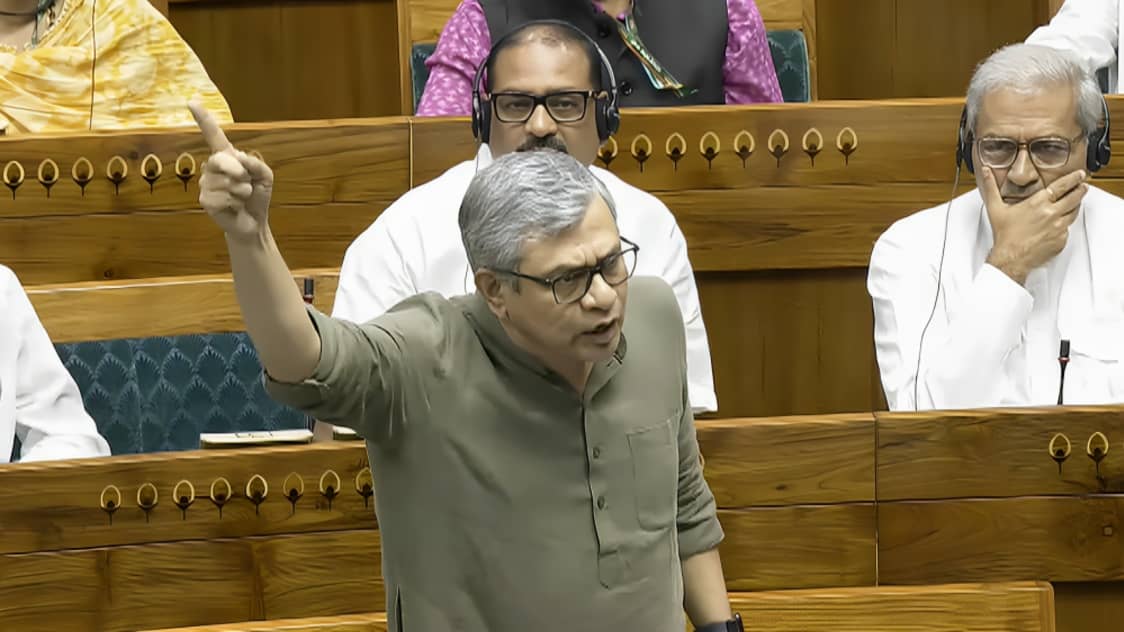
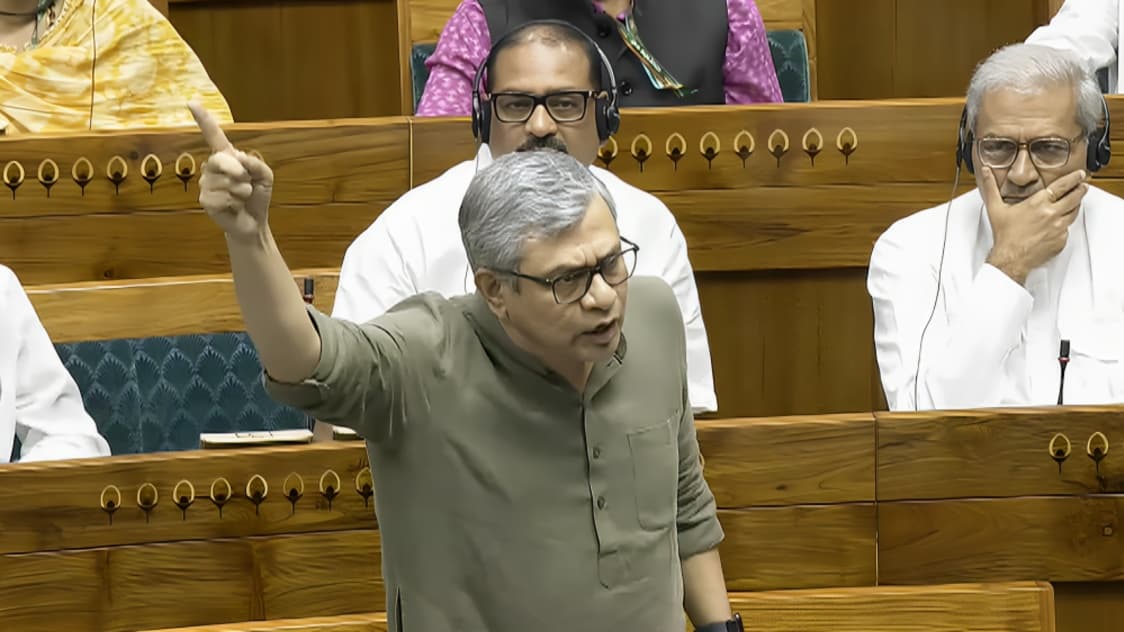
Union Electronics and Information Technology Minister Ashwini Vaishnaw has defended India's Digital Personal Data Protection Act, saying that the legislation does not curtail press freedom and that the government is willing to consider suggestions from media organisations. His remarks come amid a legal challenge by news publishers who have raised concerns about how the data protection framework could affect investigative journalism and reporting on matters of public interest.
Vaishnaw said the Constitution guarantees journalistic freedom and maintained that the government's intention was not to restrict the work of journalists. He also invited editors and media professionals to engage in an open discussion with the government to clarify concerns and propose changes where necessary.
The minister's comments come as the Supreme Court examines a petition filed by the Digital News Publishers Association, which represents 21 news publishers. The association has challenged provisions of the Digital Personal Data Protection Act, 2023, and the associated rules, arguing that the absence of a specific exemption for journalistic activities could create difficulties for news organisations.
What Is the Digital Personal Data Protection Act
The Digital Personal Data Protection Act, 2023, establishes a legal framework for handling digital personal data in India. It aims to protect individuals' privacy and regulate how organisations collect, process and use personal information.
The legislation addresses matters such as consent, the responsibilities of organisations handling personal data, individual rights and compliance requirements. It forms part of India's broader effort to establish rules for personal data protection as digital services become increasingly important in everyday life.
The government has said that the law was developed following consultations with stakeholders and in the context of the Supreme Court's recognition of the right to privacy as a fundamental right.
However, news publishers argue that journalism often involves gathering and publishing personal information for legitimate public interest purposes. They say that investigative reporting may require journalists to examine records, contact sources and report on alleged wrongdoing without obtaining prior consent from every person mentioned in a story.
This has led to questions about how the law's requirements should apply to media organisations and whether a specific exemption is necessary for journalistic work.
Why News Publishers Have Challenged the Law
The Digital News Publishers Association has approached the Supreme Court, arguing that the DPDP Act and its rules do not adequately distinguish journalistic activities from other forms of personal data processing.
According to the association, requirements relating to notice, consent and deletion of personal data could complicate reporting on corruption, corporate misconduct and alleged wrongdoing by public officials.
For example, investigative journalists may need to examine documents containing personal information to establish facts relevant to the public. If a person being investigated must be notified in advance or can use data protection provisions to challenge the continued use of that information, publishers fear that some investigations could be disrupted.
The association has also raised concerns about the protection of confidential journalistic sources and the possible consequences for newsrooms that fail to meet the law's requirements.
These are arguments presented by the petitioners, not findings already accepted by the Supreme Court. The legal challenge seeks judicial examination of whether the provisions are consistent with constitutional protections and the practical requirements of public interest journalism.
Supreme Court Seeks the Centre's Response
The Supreme Court has sought a response from the Centre to the petition filed by the Digital News Publishers Association. The matter is scheduled for its next hearing on November 17, 2026.
During the proceedings, the court highlighted the need to balance the privacy rights of individuals with the media's ability to report news. It also asked publishers to consider safeguards that could prevent the misuse of journalistic freedom while protecting legitimate reporting.
The case raises questions about how privacy protections and freedom of expression should operate together. Personal data protection is intended to prevent inappropriate use of individuals' information, while journalism plays a role in informing the public and holding institutions accountable.
The court's eventual consideration of the petition could help clarify how these interests should be balanced under the current legal framework. Until further orders are issued, the challenge remains a matter under judicial consideration.
Government Open to Suggestions and Possible Amendments
Vaishnaw has invited editors and media professionals to discuss the concerns raised by the industry. He said the government was willing to consider suggestions and act where changes were necessary.
Reports indicate that the Centre is open to considering amendments that would explicitly safeguard journalistic activities under the data protection framework. One possible approach could be to introduce a specific provision clarifying how legitimate journalism should be treated under the law.
However, the government's willingness to consider changes should not be interpreted as confirmation that an amendment has already been approved. Any formal change would need to follow the applicable legislative process.
The minister has maintained that the legislation was not intended to undermine press freedom. His comments reflect the government's position as the legal challenge proceeds in the Supreme Court.
Media organisations, meanwhile, have argued that assurances alone may not resolve their concerns unless the relevant protections are clearly reflected in the law.
The Importance of Balancing Privacy and Journalism
The debate surrounding the DPDP Act highlights two important public interests. Individuals need protection against the misuse of their personal information, while journalists need to be able to investigate and report matters that affect society.
A clear legal framework can help establish when personal information may be used for legitimate reporting and what safeguards should apply. It can also help distinguish responsible journalism from the unnecessary disclosure of private information.
For news organisations, clarity on consent, data retention and the protection of sources could be particularly important when investigating public institutions or reporting on allegations of wrongdoing.
For individuals, privacy protections remain important because personal information can be misused, circulated without justification or exposed in ways that cause harm.
The challenge is to create a framework that protects both interests without unnecessarily restricting either privacy rights or the public's access to important information.
What Happens Next
The Supreme Court is expected to consider the matter further at the next hearing scheduled for November 17, 2026. The Centre will have an opportunity to respond to the issues raised by the Digital News Publishers Association.
At the same time, the government's invitation for discussions with editors could provide an opportunity to clarify the concerns raised by media organisations. Whether these discussions lead to formal amendments will depend on the government's decisions and the applicable legislative process.
For now, the DPDP Act remains the subject of a legal challenge, and the court has not delivered a final ruling on the petition's claims. The next stage of the proceedings will be important in determining how the competing concerns over personal privacy and journalistic freedom are addressed.