INDIA Bloc Plans Symbolic Public Impeachment of Chief Election Commissioner
The opposition INDIA bloc is preparing to hold a symbolic public impeachment proceeding against Chief Election Commissioner Gyanesh Kumar on October 30, 2026, in New Delhi. The programme is part of the alliance's continuing campaign over alleged irregularities in the electoral process and concerns surrounding the Special Intensive Revision of electoral rolls.
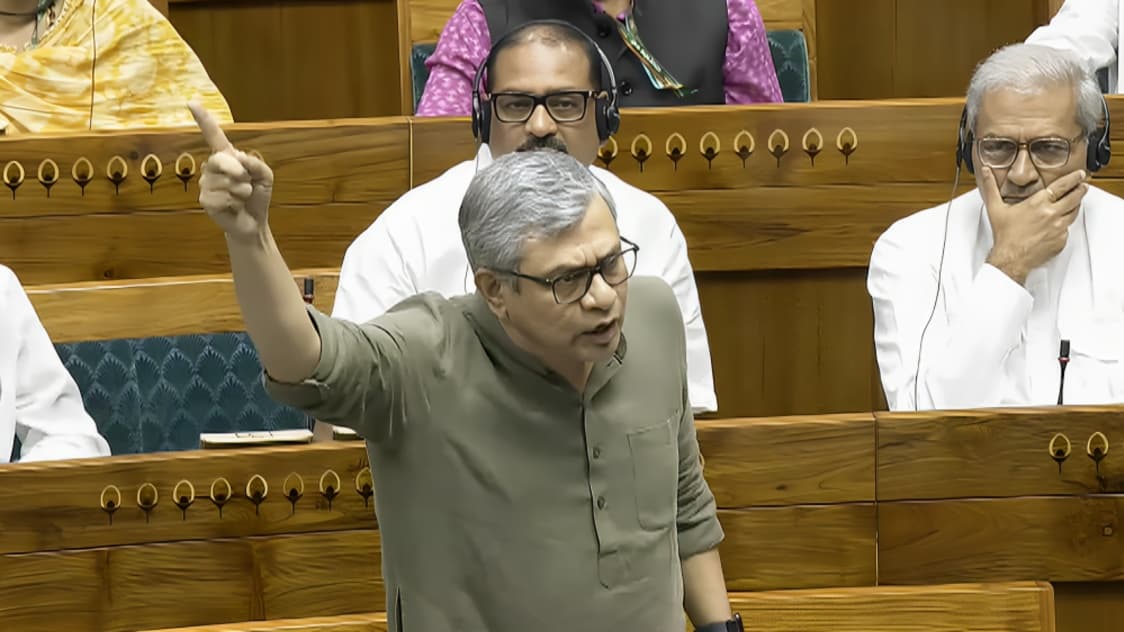
The event is planned in a mock Parliament format, with one speaker from each participating political party expected to present its views. Opposition leaders intend to use the proceeding to explain their objections to the Election Commission's handling of voter list revision and to renew their demand for Kumar's removal.
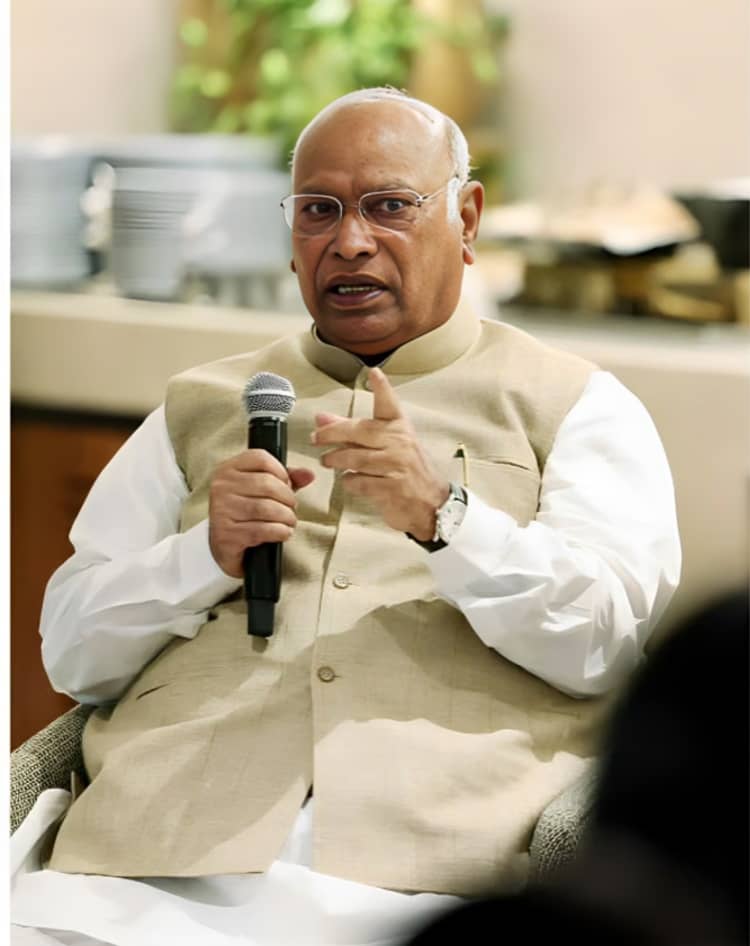
According to reports published on October 29, the programme is scheduled to take place at Congress president Mallikarjun Kharge's official residence at 10 Rajaji Marg after permission for the originally proposed venues was reportedly denied. Former Lok Sabha Speaker Meira Kumar is expected to preside over the proceeding. Kharge is expected to move the motion, while Leader of the Opposition in the Lok Sabha Rahul Gandhi is expected to conclude the discussion.
The event is political and symbolic in nature. It is not a formal impeachment proceeding under the Constitution and does not itself have the legal power to remove the Chief Election Commissioner.
Why the INDIA Bloc Is Targeting Gyanesh Kumar
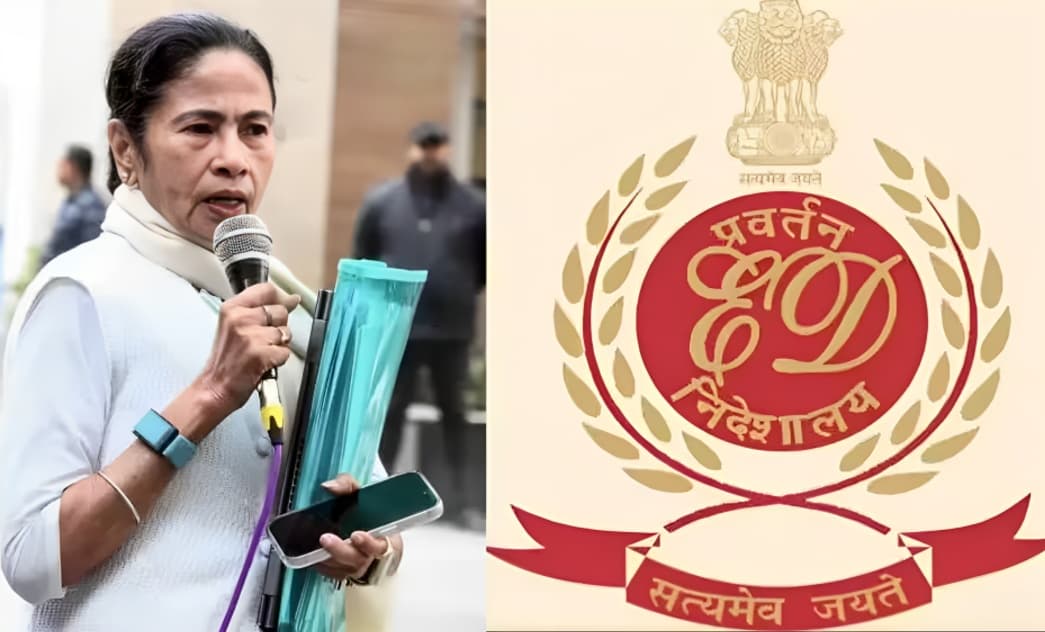
The INDIA bloc has accused the Election Commission of failing to address concerns about alleged irregularities in the electoral process. Opposition parties have focused particularly on the Special Intensive Revision, commonly known as SIR, which involves reviewing and updating electoral rolls.
The alliance has raised concerns about the deletion of names from voter lists and has questioned the manner in which the revision exercise is being conducted. Opposition leaders have described these concerns using the political phrase vote chori, or vote theft, and have called for greater transparency in the electoral process.
The Election Commission's role in maintaining accurate voter lists is central to the debate. Electoral rolls determine who is eligible to vote in an election, making the process of adding, deleting and verifying names an important part of democratic administration.
The opposition's allegations against Kumar are political claims and should not be treated as established findings of wrongdoing. The planned event is intended to communicate the alliance's position and put pressure on the Election Commission and the authorities to address its concerns.
One Speaker From Each Party
A key feature of the proposed proceeding is the decision to allow one speaker from each participating party to present its views. This format is intended to give the alliance's constituent parties a structured opportunity to discuss their concerns.
According to reports, party leaders have agreed that each representative may speak on behalf of their party. The format is designed to resemble a parliamentary debate, with participants presenting arguments and discussing the allegations raised against the Chief Election Commissioner.
The meeting is expected to include opposition Members of Parliament, political leaders and representatives from civil society. People who say they have been affected by the Special Intensive Revision are also expected to share their experiences.
The discussion is intended to highlight the opposition's concerns about voter rights, the accuracy of electoral rolls and the accountability of election officials. By adopting a structured format, the alliance hopes to present its case publicly and demonstrate unity among its participating parties.
However, the proceedings will remain a political exercise rather than an official parliamentary process.
Former Lok Sabha Speaker Meira Kumar Expected to Preside
Former Lok Sabha Speaker Meira Kumar is expected to preside over the symbolic proceeding. Her experience in parliamentary affairs is expected to help organise the discussion in a format resembling a legislative debate.
Mallikarjun Kharge, who is the Leader of the Opposition in the Rajya Sabha, is expected to move the motion. Rahul Gandhi, the Leader of the Opposition in the Lok Sabha, is expected to deliver the concluding remarks.
Representatives of the participating parties are expected to discuss their allegations concerning the Election Commission and the SIR exercise. The event is also intended to give a platform to accounts from people who believe they have faced difficulties during voter list revision.
The final proceedings and the statements made by individual participants will determine the main messages emerging from the event.
Venue Changed After Permission Issues
The INDIA bloc had initially considered holding the event at Hotel Ashok in New Delhi. Opposition leaders subsequently said permission to use the proposed venues had been denied, leading them to shift the programme to Kharge's official residence.
Reports on October 29 confirmed the change of venue following a meeting of alliance leaders. The decision was taken as the opposition prepared for a wider protest programme in the national capital.
The venue change has become part of the political dispute surrounding the event. Opposition representatives have presented the proceeding as an opportunity to raise public concerns about electoral administration, while the programme itself remains a symbolic political gathering.
The event is expected to take place on Friday, October 30. Further details about participation and the final agenda may be confirmed by the organisers.
November 1 Rally Against Alleged Vote Theft
The symbolic proceeding is part of a wider protest campaign planned by the INDIA bloc. The alliance has announced a rally at Delhi's Ramlila Maidan on November 1, 2026, under the banner of its campaign against alleged vote theft.
Congress leaders have called on parties in the alliance to mobilise supporters and participate in the rally. The event is intended to bring together opposition leaders, party workers and members of the public to highlight concerns about electoral rolls and the functioning of the Election Commission.
The alliance has said that the campaign aims to protect democratic institutions and ensure that voter list revision is carried out transparently. It has also demanded accountability from the Chief Election Commissioner over the alleged irregularities.
The planned rally follows earlier opposition demonstrations and legal efforts relating to the SIR exercise. The outcome of those proceedings and any response from the Election Commission will remain important developments in the wider dispute.
What Does Impeachment Mean in This Context
The term public impeachment is being used by the INDIA bloc to describe its symbolic political proceeding against Kumar. It is not equivalent to a formal constitutional removal process.
Under the applicable constitutional framework, the Chief Election Commissioner has specific protection against removal, and the formal process requires action through Parliament under the prescribed procedure. A political meeting or mock Parliament cannot remove the office-holder by itself.
The symbolic event is therefore intended to express political opposition and public dissatisfaction rather than produce an immediate legal consequence. Any formal removal would have to follow the constitutional requirements and the applicable parliamentary process.
This distinction is important when reporting the event. The programme may result in political statements or resolutions, but it should not be described as an official impeachment or as a legal order removing Kumar from office.
What Happens Next
The INDIA bloc is expected to hold the symbolic proceeding on October 30, followed by its planned rally at Ramlila Maidan on November 1. The alliance will use both events to present its concerns over the Special Intensive Revision and alleged electoral irregularities.
The effectiveness of the campaign will depend on public participation, the messages delivered by opposition representatives and any subsequent developments involving the Election Commission or the courts.
For now, the allegations against the Chief Election Commissioner remain claims made by the opposition. The symbolic proceeding is part of a political campaign and does not constitute a legal finding of misconduct.