Supreme Court Seeks a Balanced Approach to Diwali Firecracker Restrictions
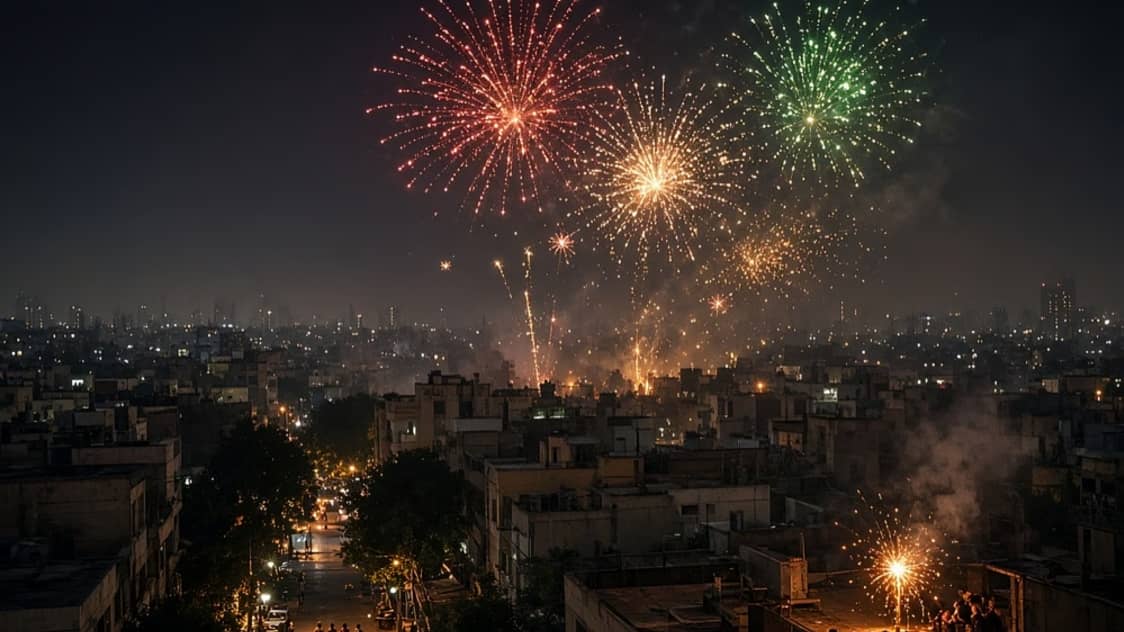
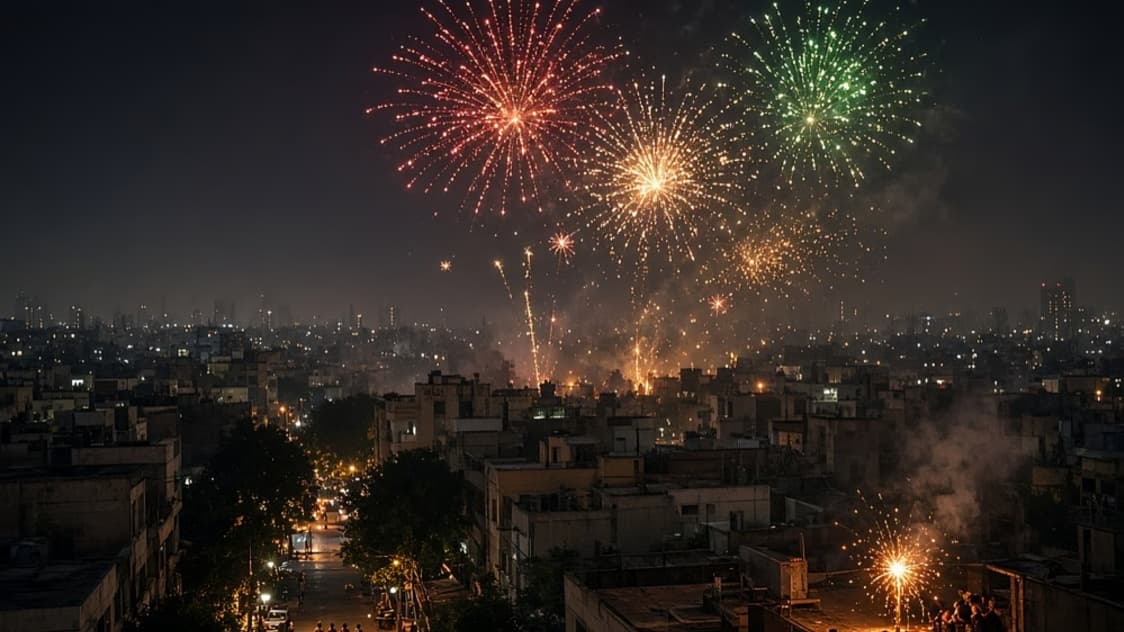
The Supreme Court of India has emphasised the need for a balanced approach to firecracker use during Diwali, bringing religious sentiments, public health and environmental protection into focus. The issue is particularly significant in Delhi and the National Capital Region, where air pollution often becomes a major concern during the festive season and the winter months.
The court has indicated in earlier hearings that a complete ban on firecrackers and unrestricted use throughout the day are not the only possible options. Instead, it has discussed a framework that could allow specified types of firecrackers to be used during designated hours, subject to applicable restrictions.
The proceedings reflect the challenge of protecting public health while respecting established festive traditions. The court has also stressed that public awareness and voluntary cooperation could play an important role in reducing pollution.
Why the Court Is Considering a Balanced Approach
Firecrackers are traditionally used by many families during Diwali celebrations. However, their use can contribute to air and noise pollution, particularly when large numbers of people set them off within a short period.
Air pollution can affect people across age groups, with children, older adults and people with existing respiratory or other health vulnerabilities facing particular concerns. Noise from fireworks can also disturb residents, patients, pets and wildlife.
During earlier hearings, the Supreme Court indicated that a complete prohibition could affect the sentiments of people celebrating the festival. At the same time, it expressed concern about allowing firecrackers to be used without restrictions throughout the day.
The court therefore discussed the possibility of specifying when permitted firecrackers could be used and identifying the categories that would be allowed. Such an approach would seek to reduce the impact on public health and the environment without imposing a blanket restriction on every form of celebration.
The final rules applicable to a particular area must be understood through the relevant court orders and government notifications. General observations made during a hearing should not automatically be treated as the final legal position.
Public Health and Environmental Concerns
The debate over firecracker restrictions is closely connected to the recurring problem of air pollution in Delhi NCR. During the festive period, emissions from fireworks can add to pollution from vehicles, industrial activity, construction and other sources.
In northern India, seasonal agricultural residue burning can also contribute to poor air quality. Weather conditions may further affect how pollutants disperse, making pollution levels more difficult to manage.
The Supreme Court's proceedings have considered the need for practical measures that can reduce the contribution of firecrackers to the overall pollution burden. The discussion has included the types of crackers that may be permitted, restrictions on their use and the need for effective implementation.
Environmental experts have also examined so-called green firecrackers and newer formulations intended to reduce certain emissions. However, the term green does not mean that a firecracker is pollution-free or harmless. Its composition, testing, manufacturing standards and actual use all matter.
Consumers should follow the rules in force in their location and purchase only products permitted by the relevant authorities.
Specified Timings and Permitted Firecracker Types
One of the key issues discussed by the court is whether firecracker use should be limited to particular hours during the festive period.
A time-bound framework could help authorities manage noise and emissions more effectively than unrestricted use. However, the effectiveness of any restrictions depends on clear instructions, public cooperation and practical enforcement.
The court has also considered the categories of firecrackers that may be allowed, including proposals relating to certain newer-generation joined firecrackers subject to prescribed conditions. The separate question of barium-containing firecrackers has required further technical assessment.
These discussions show that the issue involves both legal considerations and scientific evidence. Decisions on which products can be manufactured, sold or used must be based on the applicable orders and regulatory requirements.
People should not assume that all firecrackers are permitted simply because the court has discussed a limited relaxation. The exact restrictions may differ by jurisdiction, especially in areas subject to specific air pollution control measures.
Public Awareness and the Reported Virat Kohli Proposal
Public awareness has emerged as another important aspect of the debate. The court has indicated that encouraging citizens to adopt safer practices voluntarily may help reduce the environmental impact of firecrackers.
Awareness campaigns can explain the effects of air and noise pollution, promote responsible celebrations and encourage people to follow permitted timings. Schools, community organisations, public authorities and well-known public figures can potentially help communicate such messages to a wider audience.
The headline about involving cricketer Virat Kohli refers to a reported suggestion for public awareness. However, the available reporting reviewed for this article does not establish that Kohli has officially agreed to participate in a campaign or that a formal appointment has been announced.
His involvement should therefore be described as a proposal unless an official court record or statement from the relevant parties confirms further details. A public figure's name being mentioned in a discussion does not itself establish their participation or endorsement.
The Importance of Effective Implementation
Even well-defined restrictions can be difficult to implement if the public does not understand them or if monitoring is insufficient. Authorities need clear guidance on permitted products, timings and compliance requirements.
Public cooperation can help reduce violations, while awareness initiatives can make it easier for families to understand the reasons behind restrictions. Manufacturers and retailers also have a role in ensuring that products meet applicable safety and regulatory standards.
The court's observations have highlighted the need for measures that are practical and enforceable. This is important because rules that are difficult to monitor may not deliver the intended improvements in air quality or public safety.
A combination of clear regulations, reliable product information, enforcement and public education may provide a more effective response than relying on any single measure.
What Happens Next
The final legal position depends on the relevant Supreme Court orders and any subsequent directions issued by the authorities. Earlier observations about balancing religious sentiments and environmental concerns should not be mistaken for a complete statement of the final restrictions.
Residents, manufacturers and retailers should check official notifications for the latest rules governing firecracker sales and use in their area. Any specific timings, permitted products or exemptions should be followed exactly as notified.
The broader issue remains how to preserve the cultural importance of Diwali while reducing avoidable harm to public health and the environment. The court's emphasis on a balanced approach and public awareness places responsibility on both authorities and citizens to support safer and more considerate celebrations.