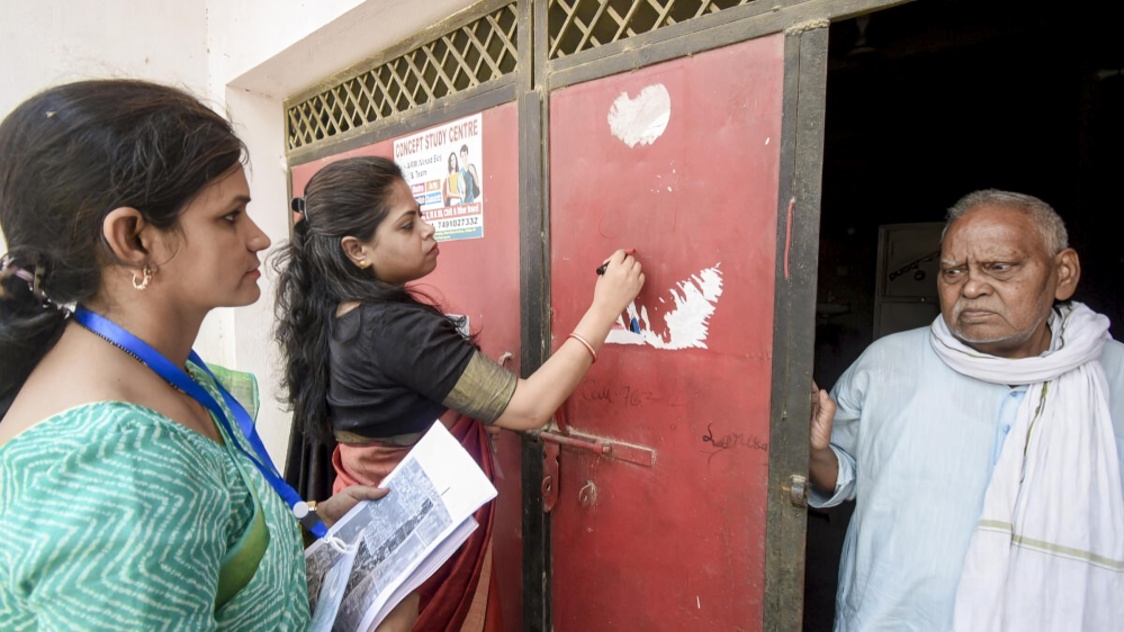
The Centre has officially notified 40 questions that will be asked during the population enumeration phase of Census 2027. The questionnaire covers a wide range of demographic, social, educational, economic and household related information.
One of the most significant features of the upcoming Census is the inclusion of caste details along with information on whether an individual belongs to a Scheduled Caste or Scheduled Tribe. The inclusion of caste information is expected to provide a broader picture of India's social composition and demographic structure.
The questionnaire will collect basic information about every individual, including name, relationship with the head of the household, sex, date of birth, age, marital status, age at marriage, spouse's name, nationality and religion. It will also include questions relating to the person's father and mother.
Information concerning disability, education, occupation and employment will also form part of the population enumeration process. Questions relating to migration and other demographic characteristics are intended to help the government build a detailed picture of the population.
The Census questionnaire also includes questions relating to access to financial and digital facilities. Information concerning Aadhaar, bank accounts and mobile phones is among the areas covered by the notified questions. Details concerning COVID 19 vaccination and the place where an individual received the vaccination are also included.
The population enumeration phase is scheduled to begin earlier in areas that experience severe winter conditions. According to the government notification, enumeration in Ladakh and snow bound non synchronous areas of Jammu and Kashmir, Himachal Pradesh and Uttarakhand will take place from September 1 to September 30, 2026.
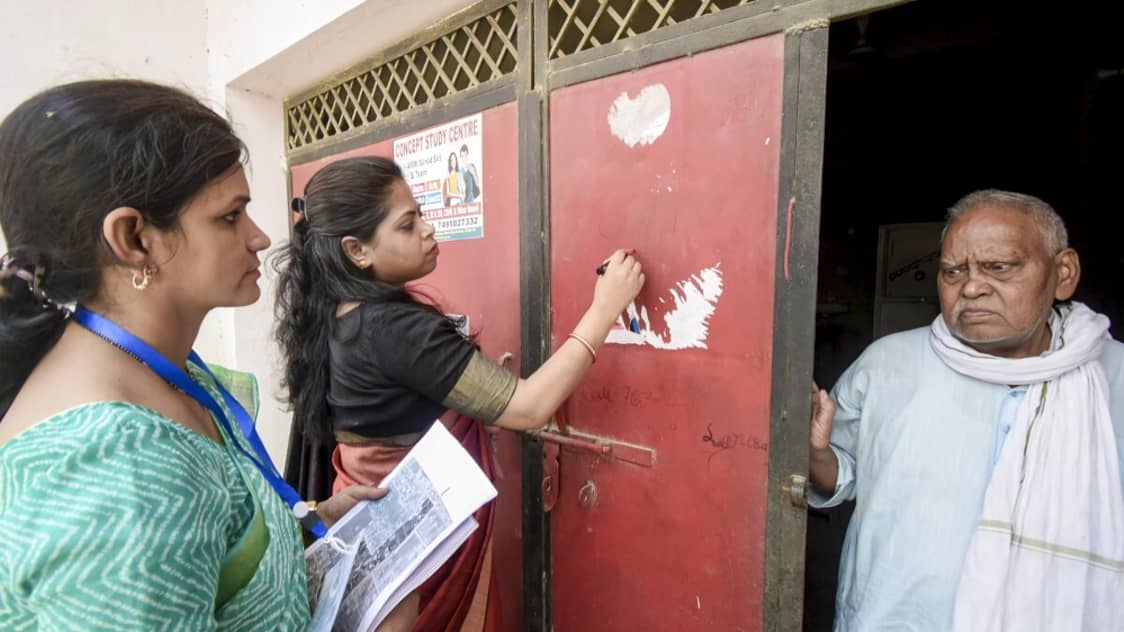
In the rest of the country, the population enumeration phase will take place in 2027. The Census exercise is being conducted in multiple stages, with house listing and housing information collected before the individual population enumeration.
The government has also introduced a self enumeration facility as part of Census 2027. Citizens can provide information through the designated digital system before the house to house enumeration process. The official Census website states that the schedule varies between states and Union territories.
The inclusion of caste information is particularly significant because Census 2027 will collect caste details across the population. According to reports, the questionnaire is not expected to provide respondents with a pre printed list of castes. Instead, the caste information will be recorded based on the response provided by the individual.
The Census exercise is one of India's largest administrative data collection programmes. The information gathered is used to understand population trends, demographic changes, housing conditions, education, employment and other social and economic indicators.
The 40 questions notified by the Centre are therefore intended to provide a comprehensive set of information about individuals and households. The data collected can support government planning and policy formulation across different sectors.
The upcoming Census is also significant because it combines traditional population information with newer areas such as digital literacy, financial access and COVID 19 vaccination. This expanded questionnaire is expected to provide policymakers with more detailed demographic and socio economic information.
With the notification of the 40 questions, preparations for the population enumeration phase have entered another important stage. Enumeration in snow bound regions will begin from September 1, 2026, while the remaining parts of the country will participate in the population enumeration exercise during 2027.