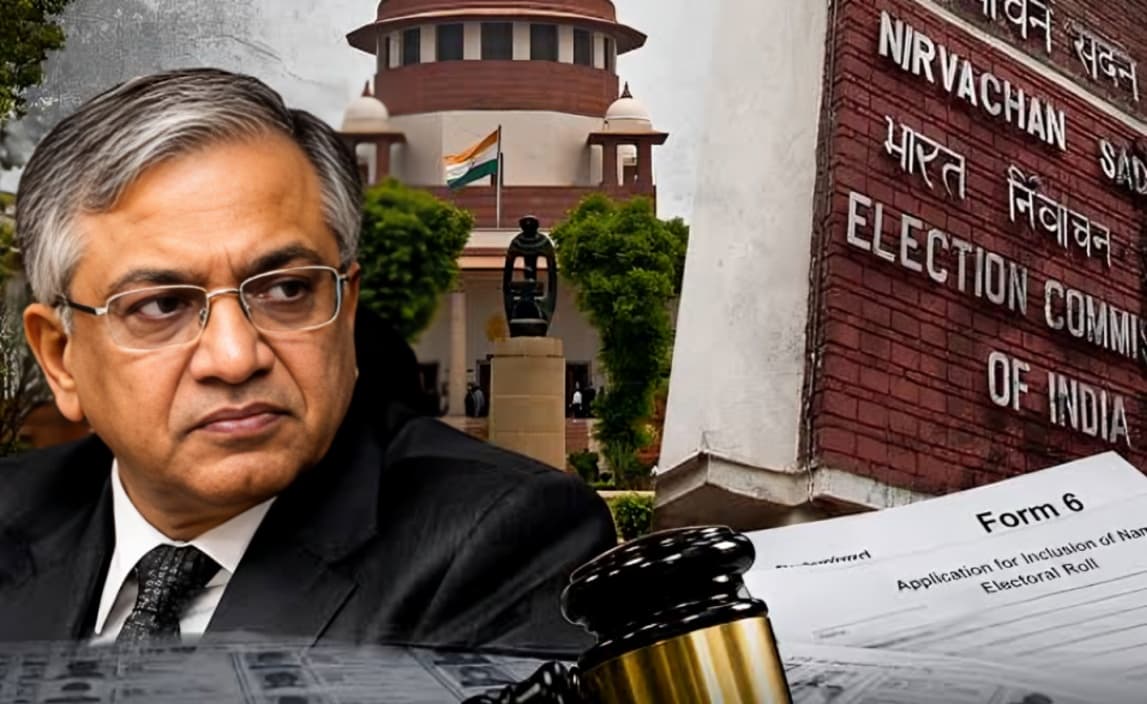
Chief Justice of India has emphasized the importance of ensuring that the benefits of digital innovation, artificial intelligence and globalisation reach every section of society in an inclusive and balanced manner. The remarks were made during a public address where the Chief Justice highlighted the growing impact of technology on governance, economy and everyday life.
During the speech, the Chief Justice noted that rapid advancements in artificial intelligence and digital technologies are transforming societies across the world. However, concerns remain regarding whether these developments are benefiting only limited sections of society or creating opportunities for wider public welfare.
The Chief Justice reportedly stated that policymakers, institutions and society must collectively reflect on whether technological progress is improving the lives of people from all economic and social backgrounds. The comments come at a time when discussions around digital inequality, automation and access to technology have become increasingly important globally.
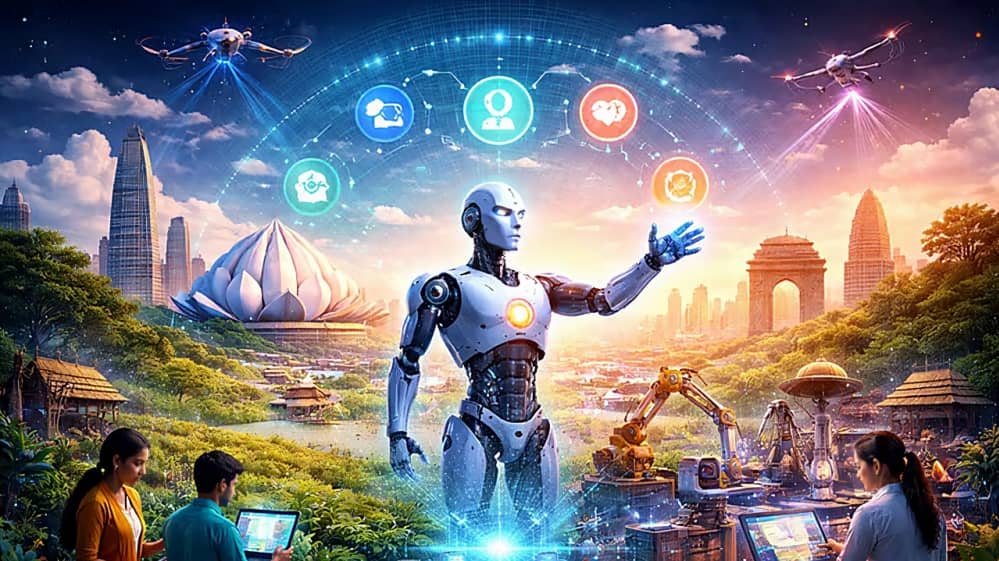
Artificial intelligence has emerged as one of the fastest growing technological sectors in recent years. Governments, private companies and educational institutions are investing heavily in AI driven solutions across industries such as healthcare, education, banking, transportation and public administration. Experts believe AI has the potential to improve productivity and innovation, but they also caution against unequal access to technological resources.
The Chief Justice also referred to the broader impact of globalisation and digital transformation on employment patterns, economic systems and social structures. Analysts note that while globalisation has contributed to economic growth and international cooperation, it has also raised questions regarding income disparity, digital literacy and equitable distribution of opportunities.
Technology experts explain that access to digital infrastructure remains uneven in many parts of the world, including rural and economically weaker regions. Factors such as internet connectivity, affordable devices, quality education and technological awareness continue to influence how individuals benefit from digital progress.
The remarks from the Chief Justice have generated discussions among academics, policymakers and industry experts regarding responsible technology development. Several experts believe that stronger investments in education, digital training and public infrastructure are necessary to ensure that technological innovation remains inclusive.
The increasing use of artificial intelligence has also raised debates regarding ethics, data privacy and employment security. Automation in several industries has created concerns about job displacement, while supporters of AI argue that new technologies could also generate fresh employment opportunities and improve efficiency.
India has witnessed rapid digital expansion over the past decade through initiatives focused on online governance, financial technology and digital public services. Programs related to digital identity, online payments and internet connectivity have significantly changed access to services for millions of citizens.
However, experts believe challenges still remain in ensuring equal participation across different sections of society. Rural populations, economically weaker communities and individuals with limited digital literacy may face difficulties in fully accessing the benefits of technological growth.
The Chief Justice’s observations have also highlighted the need for balanced policy frameworks that encourage innovation while protecting public interests and promoting social justice. Analysts believe future discussions on technology governance will increasingly focus on inclusion, fairness and ethical responsibility.
As artificial intelligence and digital systems continue to shape modern societies, public institutions and policymakers are expected to play an important role in ensuring that innovation contributes to broad based development rather than widening existing inequalities.