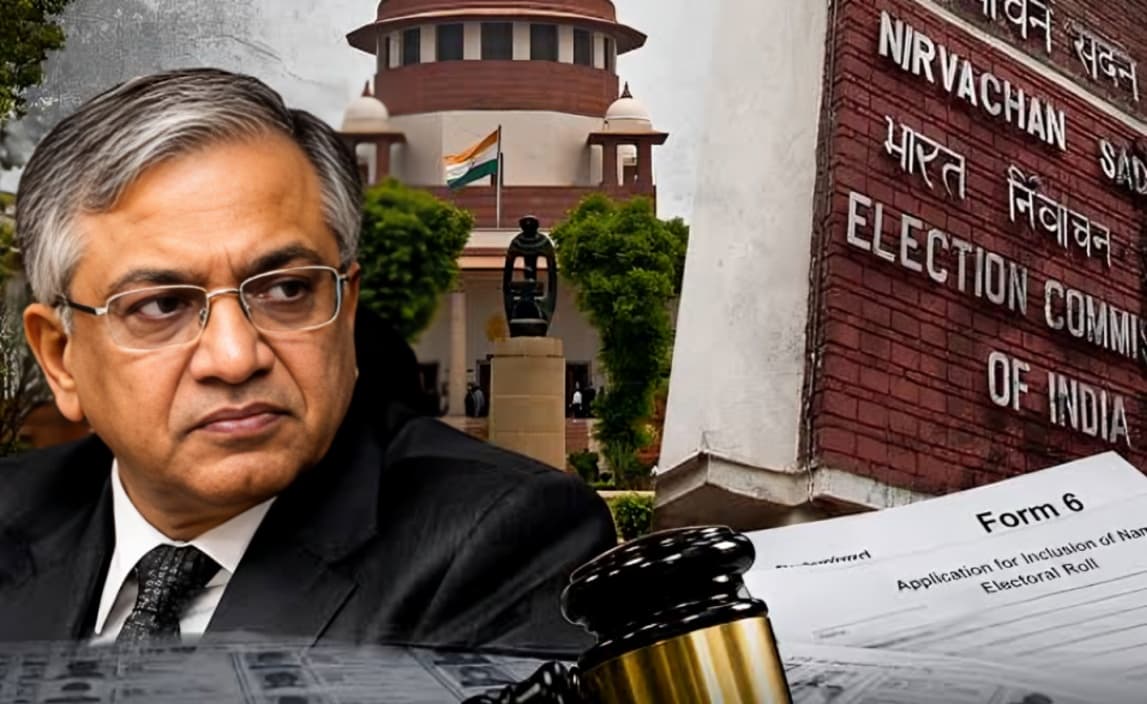
Chief Justice of India Surya Kant has announced a series of major judicial reforms focused on improving the efficiency of the Indian court system. The reforms include directives for faster disposal of bail applications and the introduction of a nationwide digital integration initiative called “One Case, One Data.”
According to officials familiar with the development, the new measures are aimed at reducing delays in the justice delivery system and improving coordination between courts across the country. The initiative is being viewed as one of the significant administrative reform efforts undertaken by the judiciary in recent years.
One of the key areas highlighted by the Chief Justice is the need for quicker hearings and disposal of bail pleas. Legal experts have repeatedly raised concerns over prolonged delays in bail proceedings, particularly in lower courts where case backlogs remain high. The latest directives are intended to ensure that bail matters receive timely attention and are processed more efficiently.
Judicial officials stated that courts have been advised to prioritize bail applications and avoid unnecessary delays that could affect the rights and liberty of individuals awaiting trial. Faster hearings are expected to reduce overcrowding in prisons and improve overall judicial efficiency.
Another major reform introduced under the leadership of the Chief Justice is the implementation of the “One Case, One Data” system. The initiative seeks to create a unified digital record system that can be accessed across different courts in India. Under the new framework, case-related information, filings and judicial records will be integrated into a common database to improve consistency and coordination.
Legal experts believe the unified system could help reduce duplication of records, minimize administrative errors and make it easier for courts to track case histories. The reform is also expected to support digital modernization efforts within the judiciary and improve access to legal information for lawyers, litigants and judicial officers.
The move comes at a time when Indian courts continue to face large case pendency numbers across multiple levels of the judicial system. Judicial reforms and technological upgrades have increasingly become a priority as authorities attempt to modernize court administration and speed up legal proceedings.
Officials indicated that the “One Case, One Data” project may eventually allow seamless sharing of judicial information between district courts, high courts and the Supreme Court. The system is expected to strengthen transparency and improve the overall management of court records.
Legal analysts have welcomed the reform measures, stating that quicker bail hearings could significantly impact undertrial prisoners who often remain in custody for extended periods due to procedural delays. Experts also noted that digital integration of court records may improve judicial accountability and administrative coordination.
The judiciary has been actively promoting the use of technology in court functioning over the past several years. Virtual hearings, e-filing systems and digital documentation were expanded during the COVID-19 period, accelerating efforts toward modernization.
Observers say the latest reforms indicate the judiciary’s intention to further strengthen institutional efficiency and public confidence in the legal system. However, experts also point out that successful implementation will require adequate infrastructure, staff training and coordination among courts across states.
The announcement by Chief Justice Surya Kant has generated significant discussion within legal and political circles, with many viewing the reforms as an important step toward improving access to justice and reducing procedural delays in India’s judicial system.