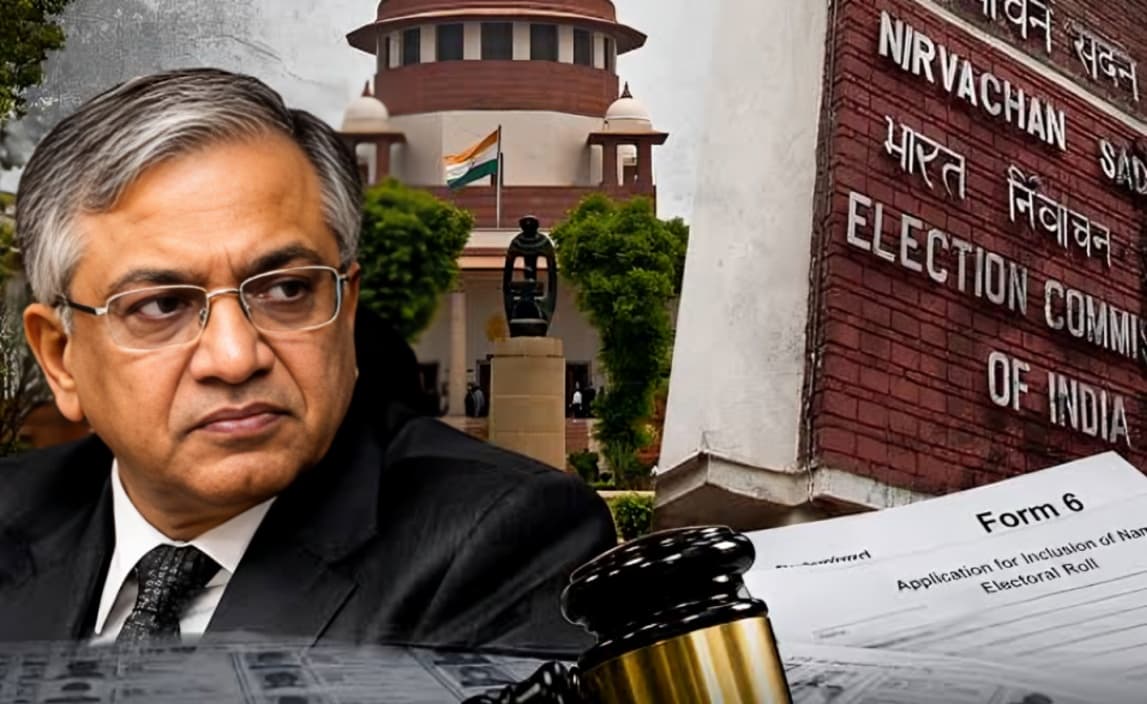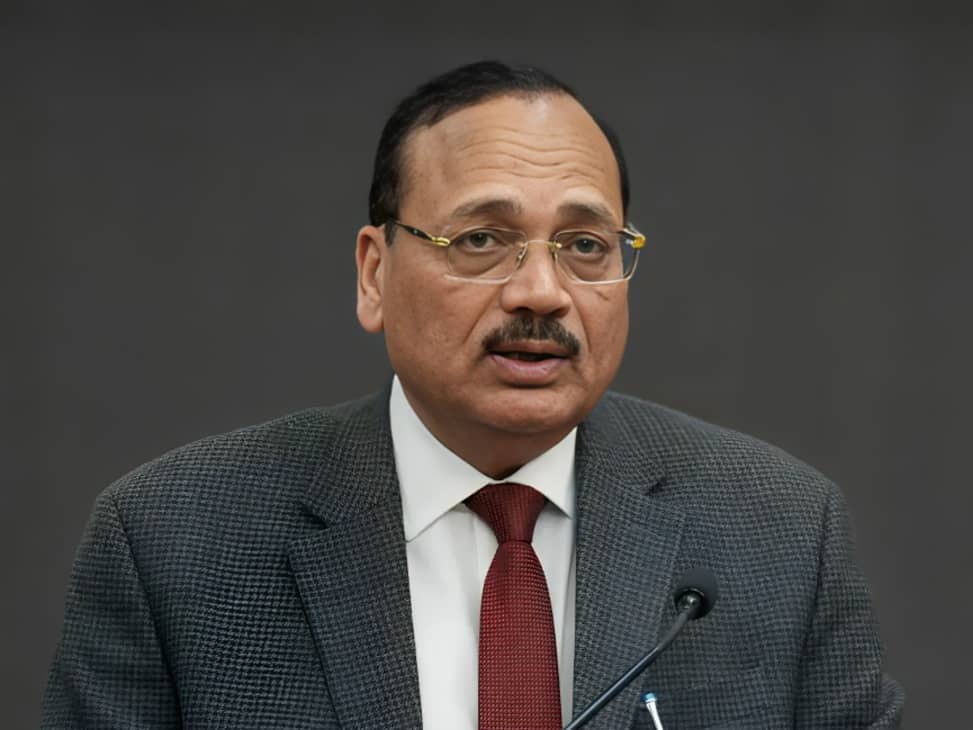

Chief Justice of India Surya Kant has emphasised that while artificial intelligence has the potential to transform the functioning of courts, it cannot replace the role of judges in delivering justice. He stated that technology should be used to strengthen the judicial system, but human reasoning, constitutional values and judicial discretion must continue to remain at the heart of the decision making process.
Speaking on the growing role of technology in the legal sector, the Chief Justice highlighted how digital initiatives have made courts more accessible, transparent and efficient. He noted that technological advancements have improved access to judicial services for litigants, lawyers and the general public by enabling faster case management, digital records and virtual proceedings.
The Chief Justice observed that artificial intelligence has emerged as a useful tool for supporting judicial work. AI based systems can assist in legal research, document analysis, case categorisation, translation of legal documents and administrative functions. These technologies can help judges and court staff save time by processing large volumes of information more efficiently.
However, he made it clear that artificial intelligence cannot replace the human element involved in the justice delivery system. According to him, judicial decisions require careful evaluation of facts, interpretation of laws, understanding of constitutional principles and consideration of the social and human impact of every case. These responsibilities, he said, can only be performed by judges exercising independent judicial discretion.
The Chief Justice further explained that every legal dispute is unique and often involves circumstances that cannot be fully understood through automated systems. Human empathy, ethical reasoning and the ability to balance competing legal principles remain essential components of judicial decision making.
He also stressed the importance of ensuring that the use of artificial intelligence in courts is responsible, transparent and subject to appropriate safeguards. While AI can improve efficiency, its use should never compromise fairness, privacy, accountability or the independence of the judiciary.
Technology has already become an important part of India's judicial reforms. The introduction of e filing systems, virtual hearings, digital case records and online access to court information has significantly modernised court administration. These initiatives have helped improve access to justice, particularly for litigants from remote areas and those unable to appear physically before courts.
Legal experts believe that artificial intelligence will continue to play an increasingly important role in assisting legal professionals by simplifying research, organising documents and supporting case management. However, they also agree that AI should function only as an aid and not as a substitute for judicial authority.
The Chief Justice's remarks reflect the judiciary's balanced approach towards emerging technologies. While recognising the benefits of artificial intelligence in improving court efficiency, he reaffirmed that justice ultimately depends on human wisdom, impartiality and constitutional responsibility.
As artificial intelligence continues to evolve across various sectors, the Indian judiciary appears committed to embracing technological innovation while preserving the fundamental principle that judicial decisions must always be made by independent judges. The Chief Justice's statement reinforces the view that technology can strengthen the justice delivery system, but the final responsibility for interpreting the law and delivering justice will always rest with human judgment.