
New Delhi, June 5
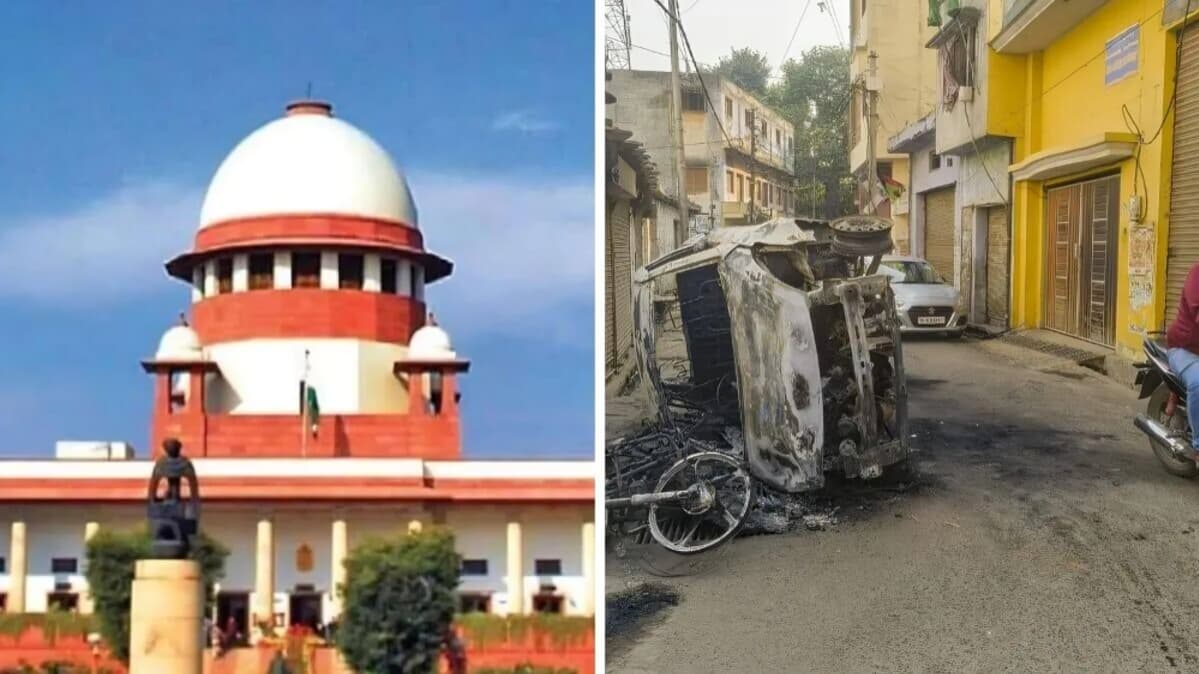
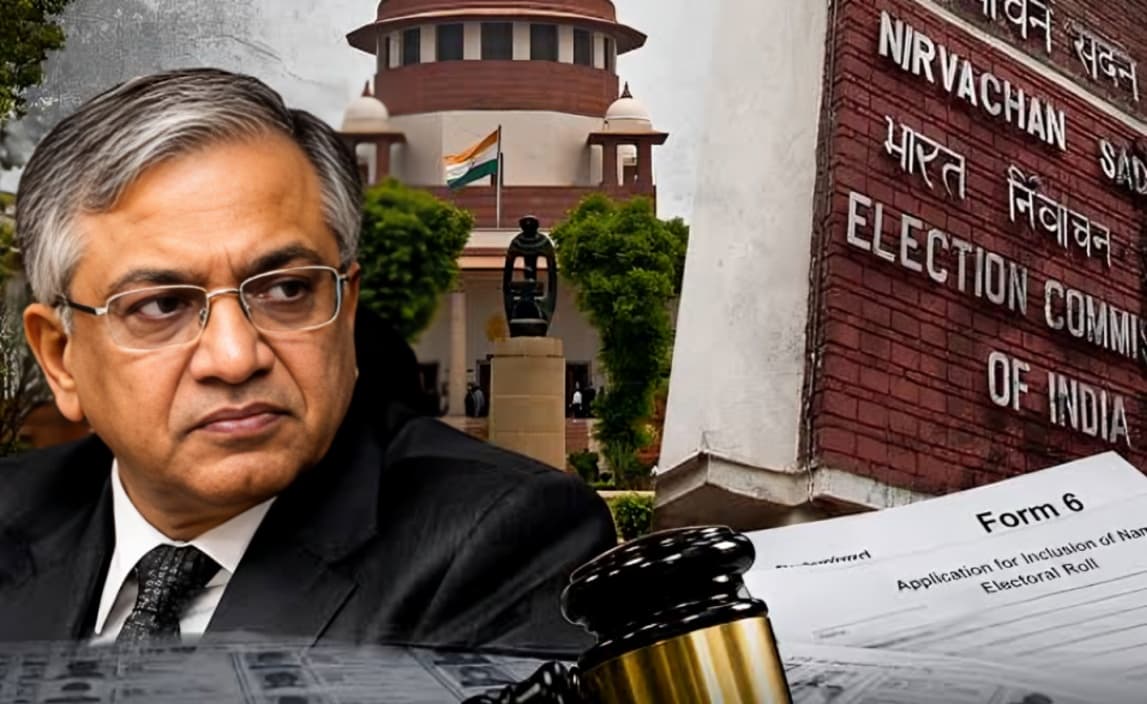
The Delhi High Court has declined to provide an urgent hearing on a petition that sought judicial intervention regarding a proposed protest planned at Jantar Mantar in the national capital. The petition raised concerns about possible law and order issues that could arise if the demonstration proceeds as scheduled.
According to information presented before the court, the petitioners requested immediate consideration of the matter, arguing that the proposed gathering could create administrative and security challenges. They sought directions from the court to examine the potential impact of the protest on public order and civic management.
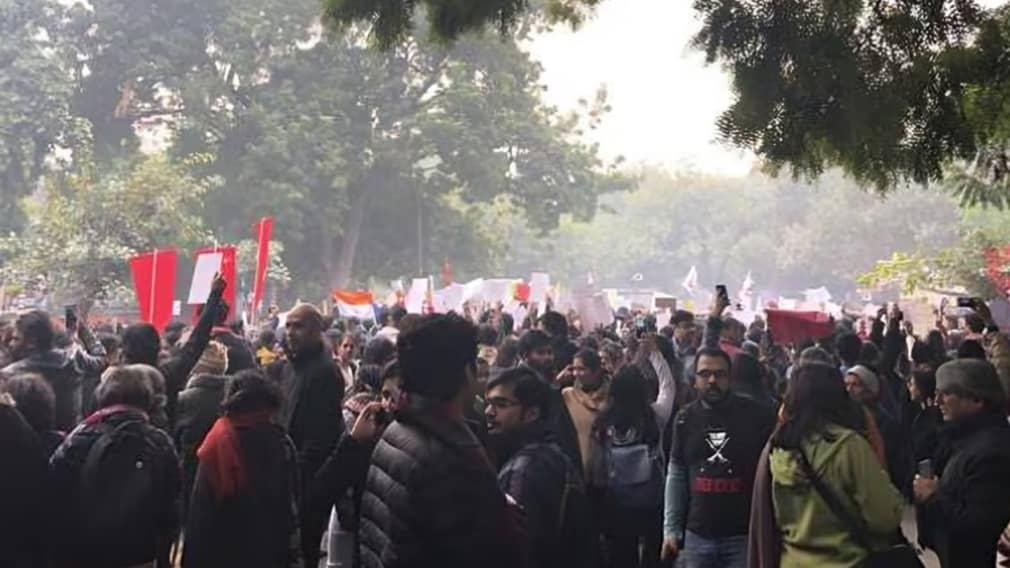
The protest has been announced by a political group identified as the Cockroach Janta Party. The organisation has reportedly planned a demonstration demanding the resignation of the Union Education Minister over alleged lapses in the conduct and administration of examinations. The group has stated that it intends to highlight concerns related to educational governance and accountability.
During the proceedings, the Delhi High Court declined to entertain the matter on an urgent basis. As a result, no immediate judicial restrictions were imposed concerning the proposed event. Legal observers noted that the court's decision relates specifically to the request for urgent listing and does not amount to a final determination on broader issues that may be raised in any future proceedings.
The decision means that the planned demonstration is expected to continue according to its announced schedule, provided organisers comply with applicable laws, administrative requirements and permissions issued by relevant authorities.
Jantar Mantar has long been recognised as a designated location for public demonstrations and gatherings in New Delhi. Various political parties, social organisations, student groups and civil society bodies have used the venue to express opinions on public policy issues and government decisions.
The petition highlighted concerns regarding crowd management and security arrangements. However, authorities routinely coordinate with organisers and law enforcement agencies to oversee public gatherings and maintain order during such events.
The protest has attracted attention because it focuses on issues relating to examination administration and educational policy. Public debates concerning examination systems, transparency and accountability have remained significant topics of discussion in recent years.
Legal experts point out that courts generally balance the constitutional right to peaceful assembly with considerations of public safety and law and order. Decisions regarding urgent intervention often depend on the specific facts and circumstances presented before the court.
As the protest date approaches, authorities are expected to monitor the situation and implement necessary measures to ensure that public safety and legal requirements are maintained. Further developments may depend on administrative decisions and any subsequent legal proceedings related to the matter.