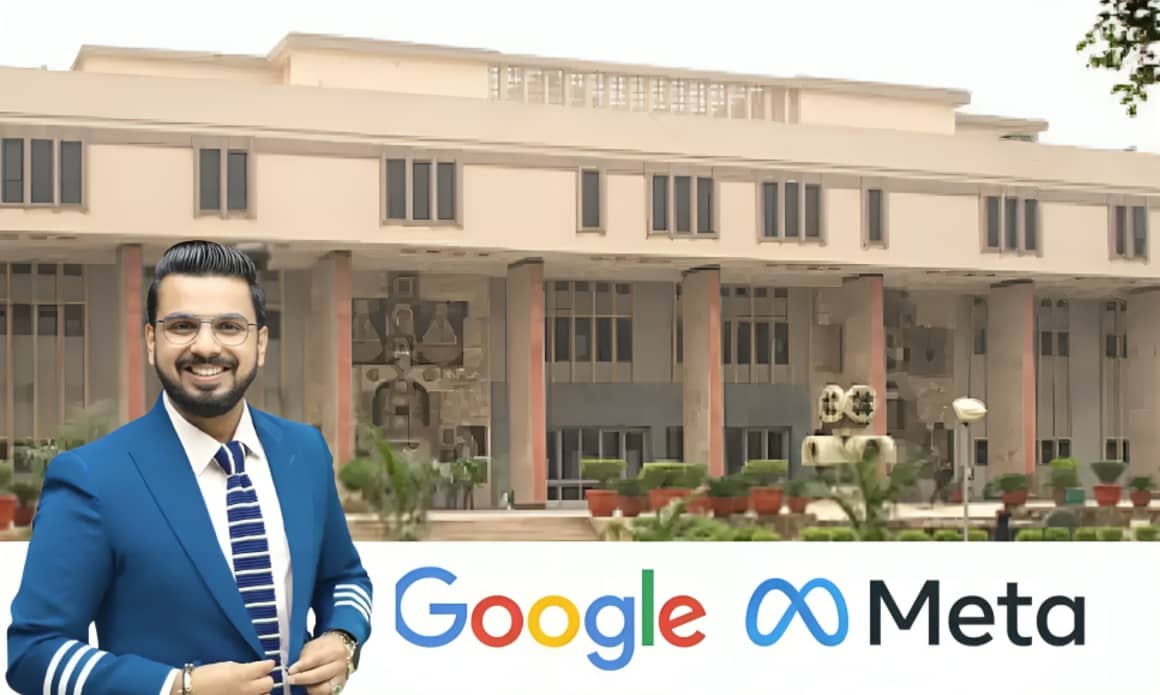
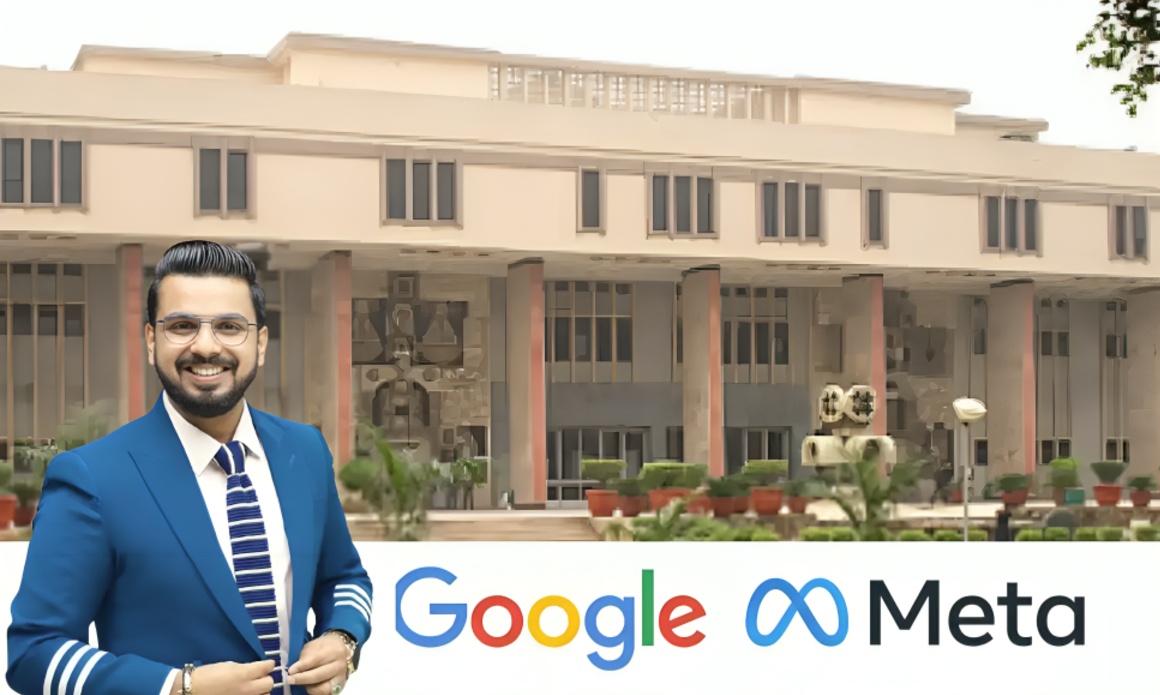
The Delhi High Court has raised questions about the safeguards surrounding Meta’s copyright enforcement mechanisms following allegations that the system could be misused to target legitimate digital content creators.
The matter concerns complaints raised by digital creators who allege that Meta’s copyright protection tools can be exploited through false or improper copyright claims. Such complaints can potentially result in content being removed or social media accounts being restricted, creating serious concerns for creators who depend on online platforms for their work.
The proceedings before the Delhi High Court have brought attention to the functioning of Meta’s copyright enforcement system and the safeguards available to users who face copyright complaints. The court has questioned whether there are gaps in the system that could allow the mechanism to be misused.
The court has also sought information concerning access to Meta’s copyright protection tools and the safeguards put in place to prevent misuse. These questions are significant because copyright enforcement systems need to balance the rights of copyright owners with the interests of creators whose original content may be wrongly targeted.
The dispute comes amid increasing concerns over copyright complaints on social media platforms. Digital creators regularly upload videos, photographs, music, commentary and other forms of original content. When a copyright complaint is made against such material, platforms may take action under their enforcement procedures.
However, creators have raised concerns that an incorrect or fraudulent complaint can sometimes have significant consequences. A legitimate post may be removed, a video may become unavailable or an account may face restrictions. For creators who rely on social media for professional activities, such action can result in financial and reputational consequences.
A recent public interest litigation before the Delhi High Court has separately alleged that an organised group could be exploiting Instagram’s copyright enforcement mechanism by filing fraudulent copyright complaints and demanding money from creators for restoring their accounts. The petition was filed by digital content creator Nitin Joshi, who sought a fairer and more transparent copyright enforcement system.
The allegations include claims that fraudulent copyright complaints could trigger automated enforcement measures before an affected creator has an opportunity for meaningful human review. The petitioner has sought safeguards including verification of copyright ownership, human review before accounts are disabled, time-bound appeals and restoration mechanisms for accounts that are wrongly restricted.
The latest court proceedings therefore raise wider questions about how technology platforms should manage copyright disputes. Automated systems can help platforms process large numbers of copyright complaints quickly, but the accuracy of such systems and the availability of effective appeals are important considerations.
Copyright protection is intended to safeguard creators and copyright owners from unauthorised use of their work. At the same time, enforcement mechanisms need to ensure that genuine creators are not unfairly penalised by incorrect claims.
The Delhi High Court’s questions are particularly relevant as social media platforms continue to become major distribution channels for independent creators, journalists, artists and businesses. Many individuals now depend on platforms such as Instagram and Facebook to publish and monetise their original work.
The court’s scrutiny could therefore have implications beyond the individual dispute. If stronger safeguards are considered necessary, platforms may face greater pressure to improve verification procedures and provide clearer remedies for users who believe that copyright claims against them are unjustified.
Meta’s copyright enforcement mechanisms are designed to help copyright owners identify and act against potentially unauthorised use of their material. However, the allegations before the court concern the possibility of those mechanisms being misused by individuals who submit false or questionable claims.
It is important to distinguish allegations from established findings. The court’s questions and observations do not by themselves establish that Meta’s system is being systematically misused or that any particular person has committed wrongdoing. The allegations will need to be examined through the legal proceedings and supporting evidence.
The court’s request for information about access rules and safeguards is intended to help examine how the system operates and what protections are available to users. Details regarding verification, review procedures and appeals could become important as the case progresses.
The issue also highlights the broader challenge faced by technology companies in moderating enormous volumes of online content. Platforms must process copyright complaints efficiently while ensuring that automated enforcement does not unfairly affect legitimate users.
For digital creators, the availability of a reliable appeal mechanism is particularly important. A creator who believes that a copyright complaint is false or mistaken needs a clear way to challenge the decision and seek restoration of the affected content or account.
The Delhi High Court’s intervention has therefore placed renewed focus on transparency and accountability in online copyright enforcement. The proceedings may provide further clarity on the responsibilities of platforms and the safeguards that should be available to creators.
As the matter progresses, Meta’s response to the court’s questions and the information provided regarding its copyright protection system will be closely watched. Any further directions from the court could influence discussions around copyright enforcement and user protection on social media platforms in India.
For now, the case remains focused on examining the alleged weaknesses and potential misuse of copyright enforcement mechanisms. The final outcome will depend on the evidence, submissions from the parties and further orders of the Delhi High Court.