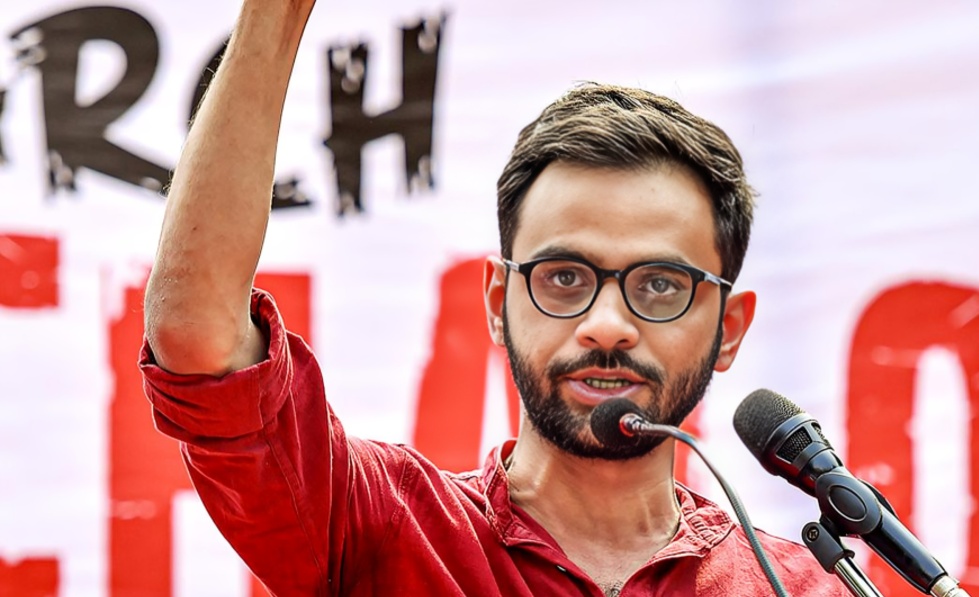
The Delhi High Court has directed the Delhi Police to file its response to a fresh bail application submitted by former student leader Umar Khalid in connection with the alleged conspiracy behind the 2020 Delhi riots. The case has been registered under the provisions of the Unlawful Activities Prevention Act, commonly known as the UAPA, along with various sections of the Indian Penal Code. The court has listed the matter for further hearing on August 27.
During the hearing, the High Court took note of the fresh bail plea and sought the investigating agency's stand before considering the arguments of both sides. No decision on the merits of the bail application was taken at this stage, and the proceedings were limited to issuing notice and fixing the next date of hearing.
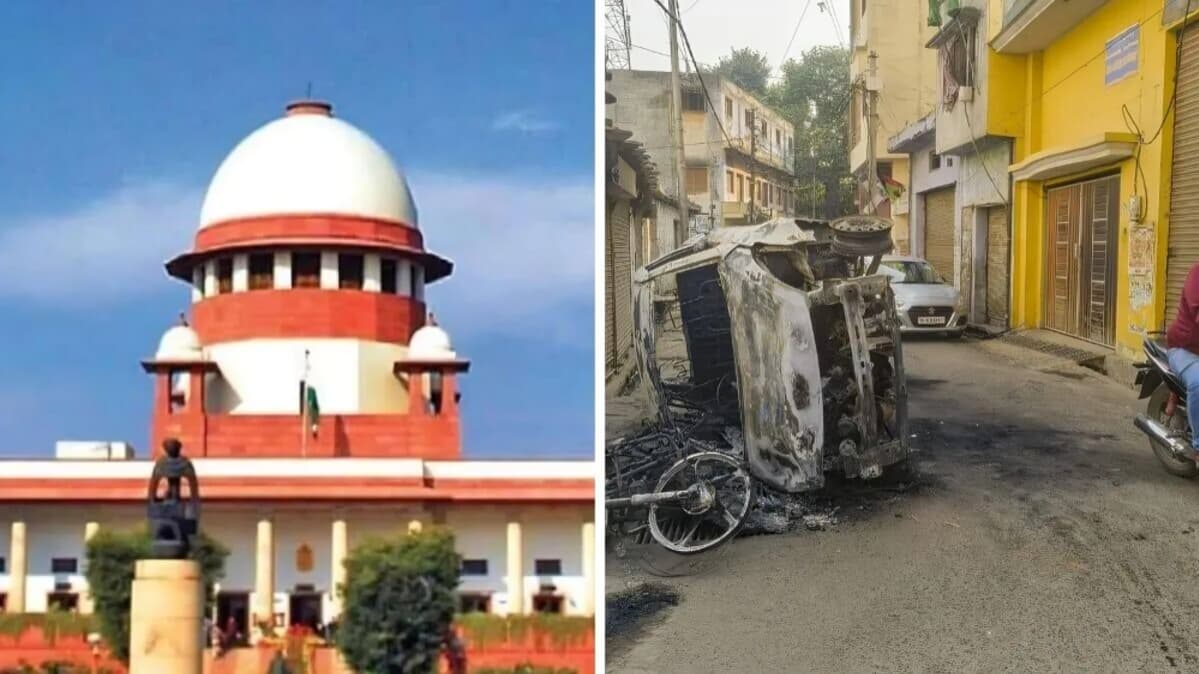
Umar Khalid has been in judicial custody in relation to the larger conspiracy case linked to the communal violence that took place in northeast Delhi in February 2020. The riots resulted in the loss of several lives, injuries to many people, and extensive damage to public and private property. Following the violence, the Delhi Police launched multiple investigations into different incidents connected with the riots.
The conspiracy case is among the most closely watched legal proceedings arising from the 2020 violence. The prosecution alleges that a larger conspiracy led to the unrest and has invoked provisions of the Unlawful Activities Prevention Act against several accused persons. The investigating agency maintains that the charges are supported by witness statements, digital evidence, and other materials collected during the investigation.
The defence has consistently denied the allegations against Umar Khalid and argued that he has been falsely implicated in the case. His legal team has maintained that there is no credible evidence directly linking him to any unlawful activity or criminal conspiracy and has sought his release on bail while the trial continues.
The High Court will examine the submissions of both parties after receiving the response from the Delhi Police. Bail proceedings generally involve consideration of multiple legal factors, including the nature of the allegations, the evidence presented by the investigating agency, the stage of the trial, the possibility of influencing witnesses, and the likelihood of the accused fleeing from justice.
The Unlawful Activities Prevention Act is India's principal anti-terror legislation and contains stricter provisions regarding the grant of bail compared with ordinary criminal cases. Courts dealing with bail applications under the Act are required to consider specific statutory conditions before granting relief.
The 2020 Delhi riots led to numerous criminal investigations, resulting in several charge sheets and ongoing trials involving different accused persons. Various cases arising out of the violence continue to be heard before trial courts, the Delhi High Court, and the Supreme Court on issues relating to bail, investigation, and trial procedures.
Legal experts note that the High Court's present order is procedural in nature and does not indicate any conclusion regarding the merits of the case. Seeking a response from the investigating agency is a routine judicial process that allows the court to hear both sides before passing any order.
The matter is now scheduled to be heard on August 27, when the Delhi Police is expected to present its response to the fresh bail application. After considering the submissions of both the prosecution and the defence, the High Court may decide whether to reserve its order or continue the hearing, depending on the progress of the proceedings.
The outcome of the bail plea will be closely followed because of the significance of the case and its wider legal and public interest. Until the court delivers its decision, the proceedings remain pending, and no conclusions regarding the allegations or the guilt or innocence of the accused can be drawn. The criminal trial related to the case will continue independently in accordance with the applicable legal process.